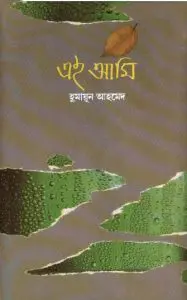
Ami Ebong Amra
Ami Ebong Amra (I and We) is Humayun Ahmed in observational mode — a novel less about plot than about the texture of relationships within a single extended family. Humayun was at his best when he had room to let his characters simply talk, and this book gives that room generously.
What emerges is a portrait of a Dhaka household in which everyone is, in some way, performing for everyone else: the dutiful son who is privately resentful, the mother who knows more than she lets on, the cousin who arrives at all the wrong moments. There is humour in the book, but also a quiet sadness that Humayun rarely makes explicit.
For readers of contemporary Bangladeshi fiction, this is a reminder of why Humayun Ahmed dominated the country’s reading life for so many years. He could see the small things, and he refused to dramatise them. The drama, when it comes, comes from the characters themselves.
About the Author
Humayun Ahmed’s books are the gems of modern Bengali literature. Written Books by Humayun Ahmed have successfully captivated the hearts of modern Bengali literature readers. Novels by Humayun Ahmed are most favorite pastimes for readers. Sometimes Humayun Ahmed wrote some stories that have deep philosophical…
See all books by Humayun Ahmed →