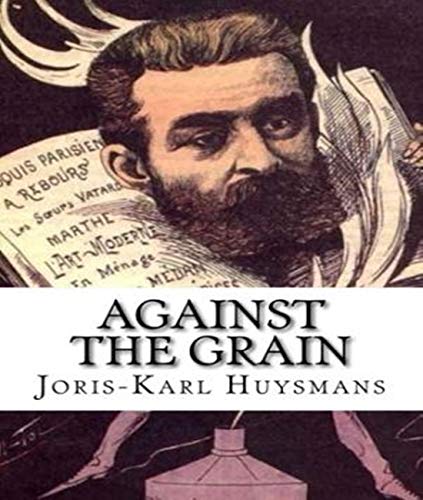
Against the Grain
Against the Grain, originally À Rebours, is a novel by Joris-Karl Huysmans (1848-1907), first published in French in 1884. The book is one of the central documents of the late nineteenth-century European Decadent movement and was famously described by Oscar Wilde as the poisonous yellow book that corrupts the central character of The Picture of Dorian Gray.
The novel follows Jean des Esseintes, a wealthy and refined French aristocrat who withdraws from Paris society into a country house outside the city. He devotes himself entirely to the cultivation of rarefied aesthetic experiences, including unusual perfumes, exotic plants, obscure liturgical music, and the reading of various marginal Latin and French literary texts. The plot is minimal. The book is essentially a sustained portrait of an extreme aesthetic sensibility taken to its logical limits.
Against the Grain became one of the defining works of the European Decadent movement and influenced subsequent writers including Oscar Wilde, Marcel Proust, and the various French Symbolist poets of the late nineteenth century.
About the Author
Download free books by Joris-Karl Huysmans on BDeBooks. Read Joris-Karl Huysmans’s works online or download as PDF/EPUB · part of our growing free eBook collection.
See all books by Joris-Karl Huysmans →