Fates and Furies
Lauren Groff
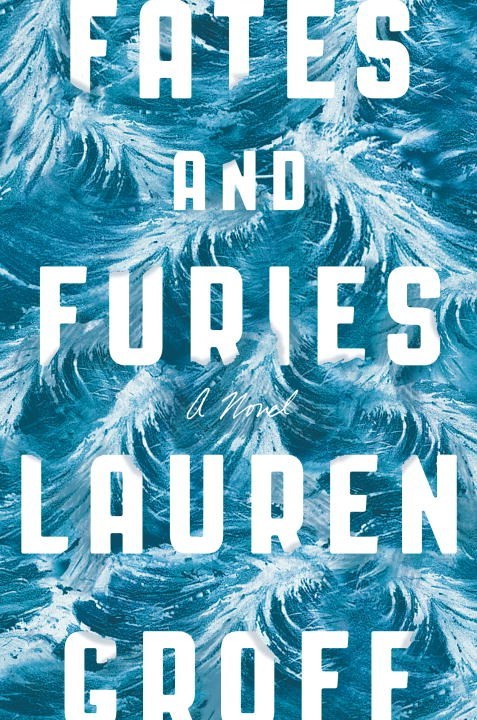
Fates and Furies is Lauren Groff’s 2015 novel, the book that turned her from a respected literary writer into a National Book Award finalist and a name in every serious year end conversation. The structure is simple and devastating. The first half of the book, called Fates, tells the story of the marriage of Lotto and Mathilde Satterwhite from his perspective. Lotto is a charismatic, sometimes unbearable playwright who believes their twenty four year marriage has been the great love story of his life. The second half, Furies, tells the same marriage from Mathilde’s perspective, and what looks from the outside like a beautiful partnership turns out to have been built on calculations Lotto never even suspected.
Groff is one of the most controlled prose stylists working in American fiction, and Fates and Furies is the book where her gifts came together most fully. The Lotto half is written in a high romantic register, full of mythological echoes and the kind of golden boy narration that fits a man who has always been the center of his own story. The Mathilde half is colder, more clinical, more Greek tragic. The reader has to recalibrate everything they thought they knew about the marriage as the second half slowly inverts the first.
The book asks hard questions about whether anyone can ever really know another person, about the costs of the silences inside long marriages, and about the difference between a life you chose and a life you were managed into. The Greek chorus interjections that punctuate the prose, comments and asides set in brackets, are one of Groff’s signature techniques here, and they give the novel a particular texture that critics either loved or found showy.
For readers who like literary fiction with serious ambition and a real interest in how people deceive themselves and each other, Fates and Furies is essential.