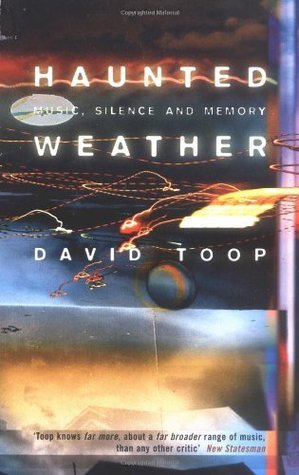
Haunted Weather: Music, Silence, and Memory
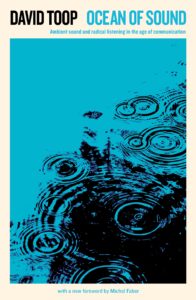
Haunted Weather: Music, Silence, and Memory is David Toop’s 2004 book of music criticism, working in the territory of experimental, electronic, and ambient music that Toop has been one of the major writers about across his long career. Toop is a British musician and music critic whose work has shaped how a generation of readers thinks about ambient music, sound art, and the wider experimental music tradition. His earlier book Ocean of Sound from 1995 had established his particular approach to music writing, and Haunted Weather continues the project in directions that take account of the digital and electronic music developments of the late 1990s and early 2000s.
The book is structured around the central ideas of haunting, weather, music, silence, and memory that the title gestures toward. Toop weaves together his observations of contemporary experimental music, his memories of earlier listening experiences, his interviews with various musicians and sound artists, and his wider reflections on what music actually does and how it works on listeners across the various contexts in which music gets heard. The format is more associative and essayistic than the standard music criticism volume, with Toop allowing the connections between different musical phenomena to develop slowly rather than imposing a more rigid analytical structure.
The musicians and music that Toop discusses across the book include figures from across the experimental, ambient, electronic, and sound art traditions. John Cage, Brian Eno, various Japanese ambient and noise musicians, electronic music figures from across the late twentieth century, and many others provide the case studies through which Toop develops his wider observations. The book is particularly attentive to the ways that contemporary digital technology has been reshaping how music gets made, distributed, and experienced, with implications for both the artists working with the new tools and the listeners encountering music in the new digital contexts.
David Toop’s prose style is distinctive. He combines the kind of careful attention to musical detail that the best music criticism requires with a more poetic and reflective register that allows him to engage with the wider cultural and existential questions that music raises. The result is a book that works both as practical music criticism and as a kind of extended meditation on the nature of musical experience.
For readers interested in experimental music, ambient music, sound art, or the wider history of how music criticism has engaged with the more avant garde corners of contemporary music, Haunted Weather is essential. For new readers of David Toop, his earlier Ocean of Sound is the standard recommended starting point, but Haunted Weather works on its own and shows him at his most accomplished.
About the Author
Download free books by David Toop on BDeBooks. Read David Toop’s works online or download as PDF/EPUB · part of our growing free eBook collection.
See all books by David Toop →