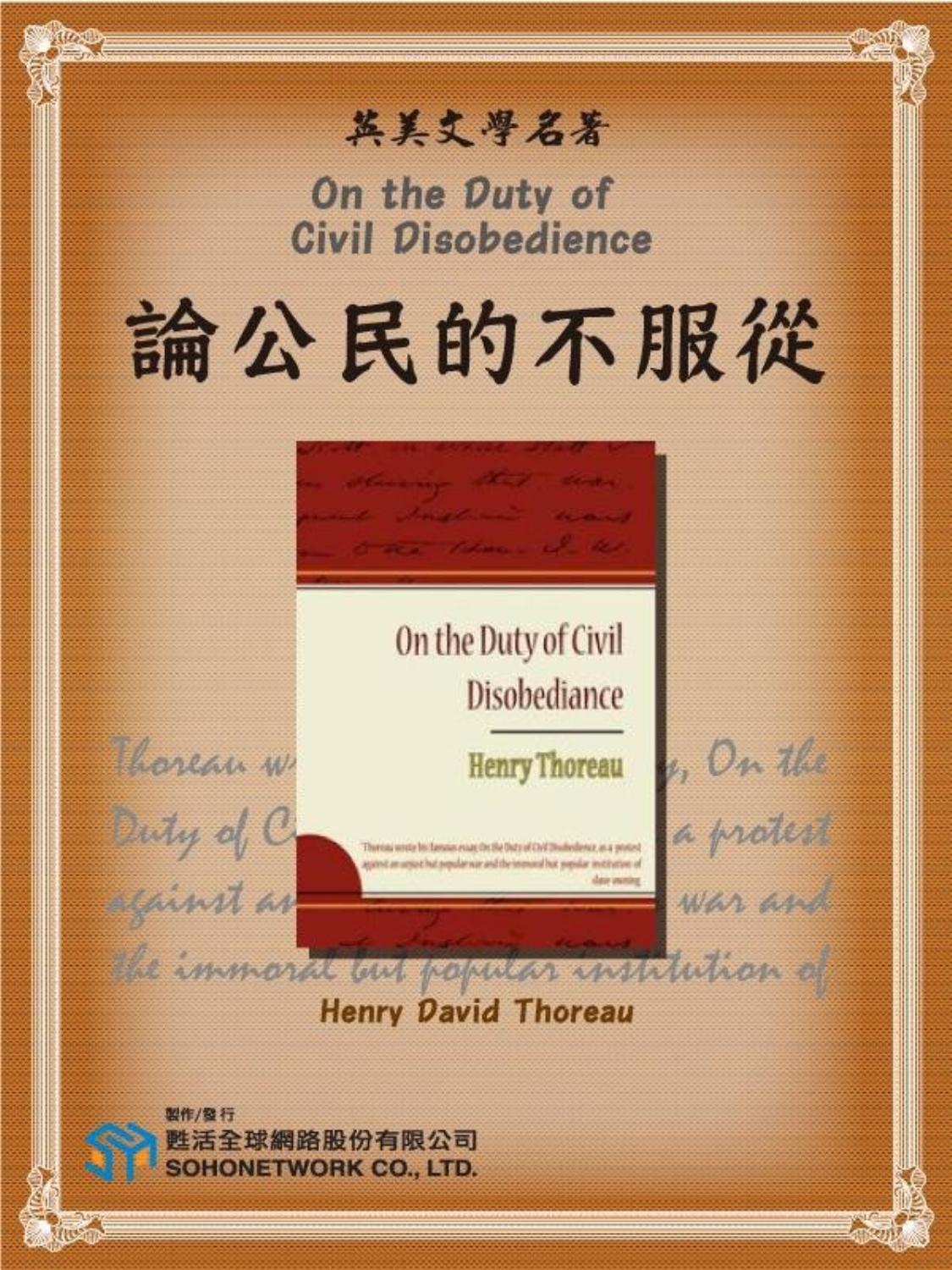
On the Duty of Civil Disobedience
On the Duty of Civil Disobedience is the essay that Henry David Thoreau first published in 1849 under the title Resistance to Civil Government, in Elizabeth Peabody’s small magazine Aesthetic Papers. The essay was reissued posthumously in 1866 under the title by which it is now universally known. It is one of the most influential political essays in American literature and one of the founding documents of the modern theory of civil disobedience.
The essay grew out of a specific incident. Thoreau had refused to pay his Massachusetts poll tax for several years as a protest against American support of slavery and against the Mexican War, which he considered an immoral war of aggression conducted to expand slave territory. In July 1846 he was arrested and spent a single night in the Concord jail before someone, possibly his aunt Maria, paid the tax against his wishes and he was released. The essay reflects on the meaning of that single night and on the broader question of what duties an individual citizen owes to a government that is conducting itself unjustly.
The argument develops the case that genuine moral conscience must take priority over legal obligation when the two come into conflict. Thoreau is not arguing for general lawlessness but for the principled refusal to participate in particular injustices that the law happens to require. The citizen who pays taxes that fund an unjust war is participating in that war regardless of their personal opposition. The citizen who returns escaped slaves to bondage under the Fugitive Slave Law is participating in slavery regardless of their personal abhorrence of it. Genuine moral life requires withdrawing such participation even at the cost of legal punishment.
The essay has been one of the most influential American political documents internationally. Mahatma Gandhi read it during his early years in South Africa and acknowledged it as a major influence on his developing theory of satyagraha or nonviolent resistance. Martin Luther King Jr. cited it as a formative influence on his own civil rights work. Various twentieth-century resistance movements from Tolstoy through to the present have drawn on Thoreau’s argument.
The essay is short, around forty pages, and reads in an evening. It pairs with Walden, with Thoreau’s anti-slavery writings, and with the broader American transcendentalist political tradition.
About the Author
Read and download 2 free books by Henry David Thoreau on BDeBooks. Browse the complete collection of Henry David Thoreau’s works available as free PDF and EPUB downloads. Discover novels, fiction, and other writings by Henry David Thoreau in our online eBook library.
See all books by Henry David Thoreau →


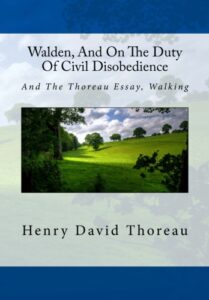


Listen to On the Duty of Civil Disobedience Audiobook Free
Listen to On the Duty of Civil Disobedience by Henry David Thoreau free online. The full audiobook (1 hr 21 min, 2 chapters, read by Gord Mackenzie) streams free on this page.
On the Duty of Civil Disobedience (1849) is a public domain work.
| # | Chapter | Length | |
|---|---|---|---|
| 1 | Part 1 | 42:40 | |
| 2 | Part 2 | 38:39 |
Prefer reading? Read On the Duty of Civil Disobedience online free or download the PDF and EPUB above.