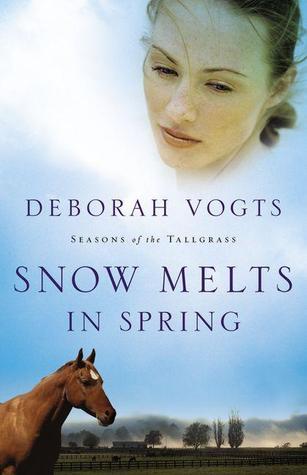
Snow Melts in Spring
Snow Melts in Spring is Deborah Vogts’s contemporary Christian fiction novel, working in the inspirational romance corner of contemporary publishing that has its own substantial readership and its own dedicated publishing infrastructure. Vogts is an American writer whose catalogue includes multiple novels in the Christian inspirational fiction category, with the books typically combining the standard contemporary romance conventions with the explicit Christian faith dimensions that distinguish the inspirational corner from the wider contemporary romance market.
The Christian inspirational fiction market has been one of the steadier corners of contemporary American publishing for many decades, with multiple major publishers and many smaller imprints serving the substantial readership that wants fiction that explicitly engages with Christian faith and that operates within the moral and content conventions that the wider Christian publishing market has developed. The books typically avoid the explicit sexual content that wider contemporary romance has been increasingly using, treat religious faith as a positive and central element of the protagonists’ lives, and develop their plots and themes within the wider Christian moral framework that the readership shares.
The snow melts in spring premise hints at the kind of seasonal and emotional metaphor that Christian inspirational fiction often uses. The literal melting of snow as winter gives way to spring becomes the metaphor for the emotional thaw that the central characters undergo across the page count, with the wider themes of renewal, redemption, and the slow recovery from past difficulties providing the structural arc that the romance and the wider plot work through. Vogts handles this kind of thematic material with the practiced confidence of a writer who has been working in the inspirational fiction tradition for many years.
The novel is set in the Kansas Flint Hills, the rolling prairie region of east central Kansas that has been the setting for various pieces of American literature about the wider plains and ranching culture of the central United States. The setting gives Vogts room to render the specific landscape, the ranching culture, and the small town community life that the wider Flint Hills region has historically supported, with the specific Kansas setting giving the novel its particular regional flavor.
For readers who enjoy Christian inspirational fiction from authors like Karen Kingsbury, Francine Rivers, Beverly Lewis, or other writers in the wider inspirational romance category, Deborah Vogts is operating in adjacent territory with her own particular regional and thematic emphases. Her catalogue includes connected entries that her readers can explore. Snow Melts in Spring is a comfortable entry into her work and a fair sample of what she does. For new readers curious about Christian inspirational fiction or about contemporary novels set in the central United States ranching country, this kind of book is an accessible starting point.