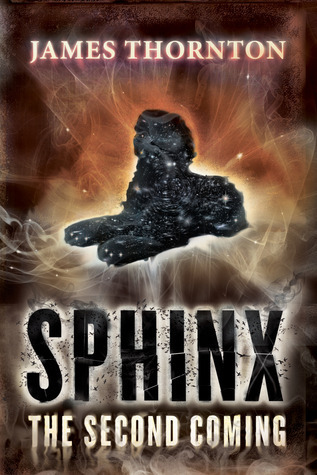
Sphinx
Sphinx is a work by James Thornton, an author whose specific identification is uncertain among the several writers of that name active during the late nineteenth and early twentieth centuries. The title refers to the mythological Egyptian creature with a lion’s body and a human head whose most famous representation is the Great Sphinx of Giza, the enormous limestone statue that has stood on the Giza plateau in Egypt since approximately the reign of Pharaoh Khafre in the twenty sixth century BC.
The sphinx as a subject has attracted substantial literary and artistic attention across the European tradition. The Greek mythology incorporated a sphinx figure in the Oedipus story, where the sphinx posed her famous riddle about the creature that walks on four legs in the morning, two at noon, and three in the evening, and killed those who could not solve it. The Egyptian sphinx is a different kind of figure, more associated with royal protection and divine guardianship than with the riddling adversarial role of the Greek version. European writers and artists have used both versions across the centuries for various symbolic and metaphorical purposes.
The specific contents of this Sphinx by James Thornton depend on which Thornton the author is and which sphinx tradition the work draws on. The author could be working in various possible modes including verse on classical or Egyptian mythological subjects, fictional treatment of one of the various sphinx legends, scholarly or popular essay on the historical sphinx of Giza, or philosophical or symbolic use of the sphinx figure for broader reflective purposes.
The sphinx as a literary subject was particularly active in late nineteenth century European writing, with various poets including Oscar Wilde in his long poem The Sphinx of 1894 using the figure for the kind of decadent symbolic purposes that the late Victorian aesthetic tradition favoured. Various American and British writers of the same period and the early twentieth century also produced works on sphinx subjects in various modes.
The work is mostly of interest now to readers approaching it for specific bibliographic or literary historical purposes, and the broader context depends on the particular Thornton and the particular treatment of the sphinx material that the book offers.