The Blue Bird
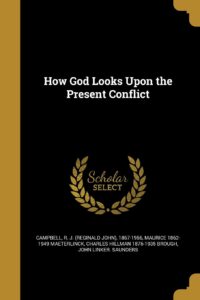
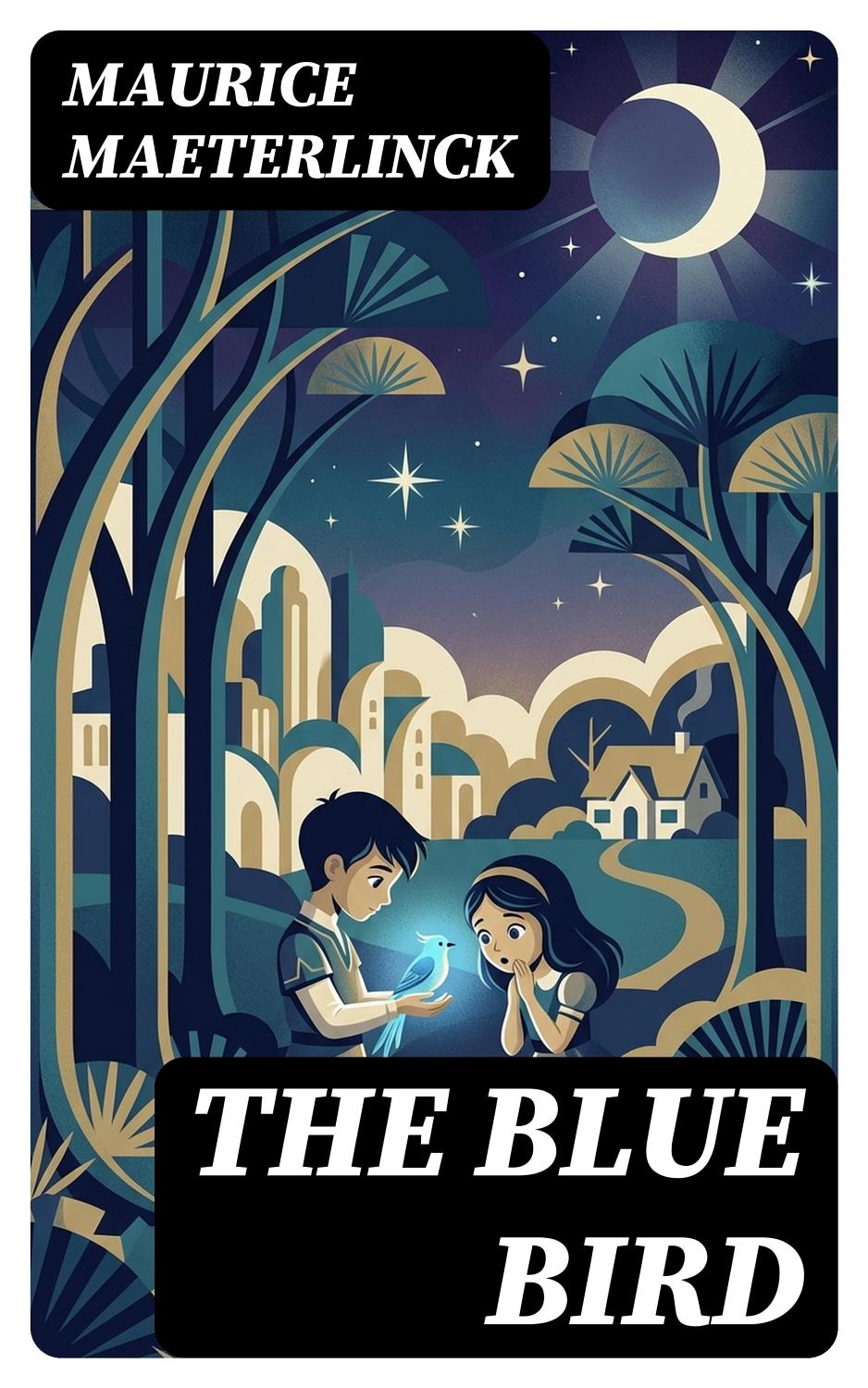
The Blue Bird, originally L’Oiseau Bleu, is a fairy tale play by Maurice Maeterlinck, the Belgian symbolist poet, playwright, and essayist who lived from 1862 to 1949 and who won the Nobel Prize in Literature in 1911. The play was first performed at the Moscow Art Theatre in 1908 under Konstantin Stanislavski’s direction and was subsequently produced in major theatres around the world, becoming one of Maeterlinck’s most enduring popular successes.
The play follows two young children, the brother and sister Tyltyl and Mytyl, on a magical journey through various symbolic realms in search of the Blue Bird, the symbol of happiness. They are sent on the quest by the fairy Bérylune in the opening act of the play and travel through the Land of Memory, the Palace of Night, the Forest, the Palace of Happiness, the Kingdom of the Future, and various other allegorical locations across the substantial fantastic narrative. They are accompanied by personified figures including the Cat, the Dog, Bread, Sugar, Fire, Light, and Water, each with substantial individual character traits that the play develops across the various scenes.
Maeterlinck was working in the substantial European symbolist tradition that had developed across the late nineteenth century. His earlier plays including Pelléas et Mélisande of 1893, which Debussy set as an opera, had established him as the leading symbolist dramatist of the period and as one of the major European theatrical innovators. The Blue Bird took the symbolist method into the substantial fairy tale form that the period’s broader European literary movement was also developing through writers including Oscar Wilde, the various German Romantic fairy tale writers, and the broader continental folklore revival.
The play has substantial philosophical and religious content alongside the surface fairy tale narrative. The Children’s search for happiness through the various symbolic realms eventually returns them to their humble home where they discover that the Blue Bird has been with them throughout the journey, and the central message about the location of true happiness in ordinary domestic life has been substantially influential in the broader European literary tradition.
The play has been adapted into substantial numbers of operatic, film, and other theatrical versions across the twentieth century. It runs about a hundred pages in the standard English translation and reads well as a complete play. For readers approaching Maeterlinck or interested in early twentieth century European symbolist theatre, this is essential reading.
About the Author
Download free books by Maurice Maeterlinck on BDeBooks. Read Maurice Maeterlinck’s works online or download as PDF/EPUB · part of our growing free eBook collection.
See all books by Maurice Maeterlinck →