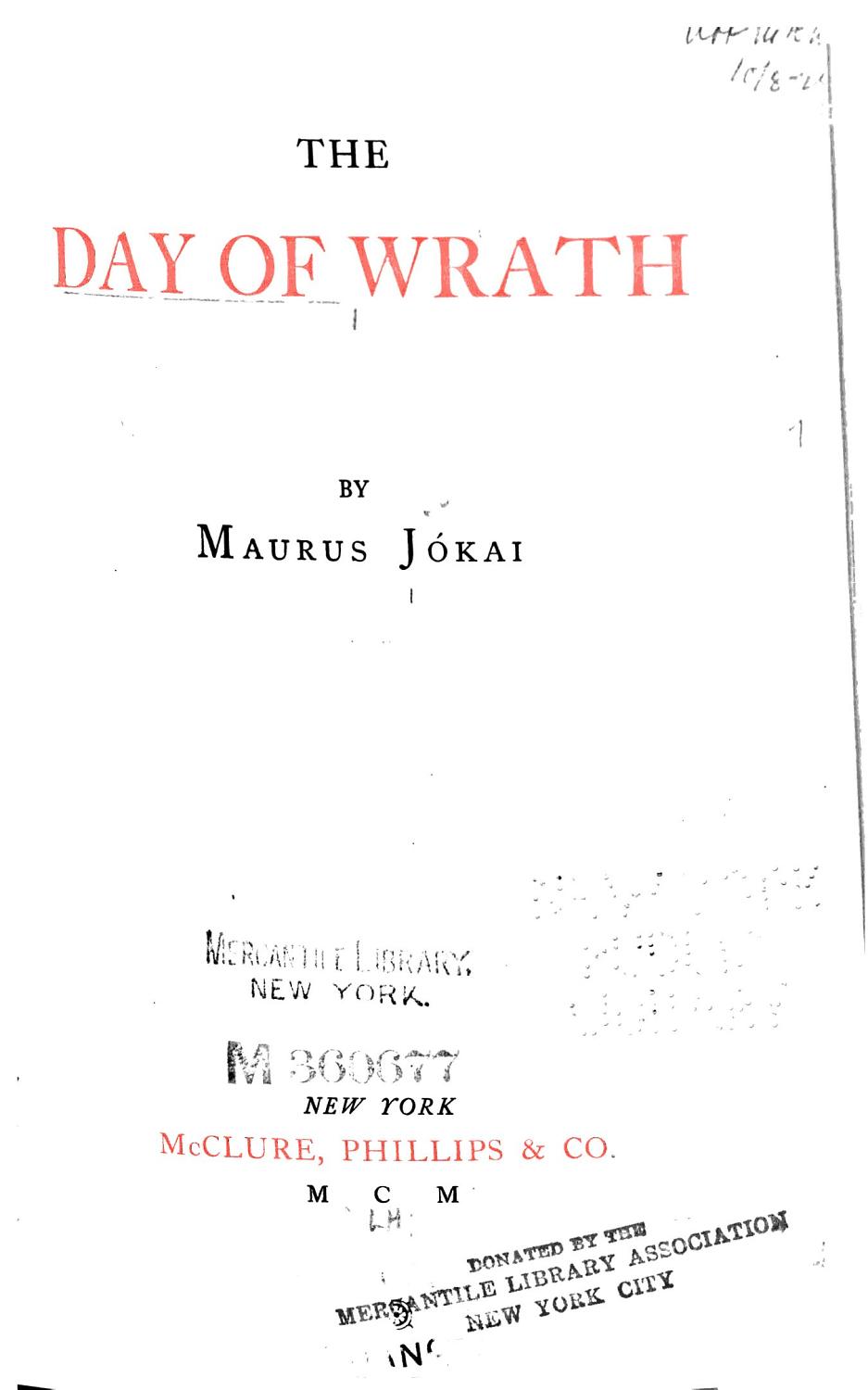
The Day of Wrath
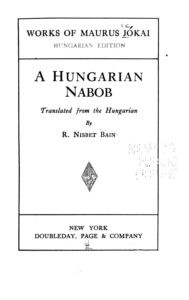
Jókai wrote this novel in the wreckage of the 1848-49 Magyar revolution, and the bitterness shows. The story opens in the spring of 1831, in the village of Hétfalu, where an old woman called the death-bird goes about prophesying doom and the peasantry believe her. Cholera reaches the county soon after. What follows is the historical uprising it touched off in northeastern Hungary: quarantine measures misread as murder, rumors that the gentry had poisoned the wells, a peasant revolt put down in blood, all traced through the ruin of the Hétfalusy family. R. Nisbet Bain, who translated it in 1900, called it a tale of suffering, crime and punishment, and also a satire on the semi-feudal Hungary that made such a catastrophe possible. Jókai spares neither the ignorance of the mob nor the gentry whose neglect fed it.
About the Author
Mór Jókai (1825-1904), also known as Maurus Jókai, was Hungary’s most popular and prolific novelist and a leading voice of its Romantic era. A participant in the 1848 revolution, he went on to write more than a hundred novels celebrating Hungarian history, landscape, and national…
See all books by Mór Jókai →