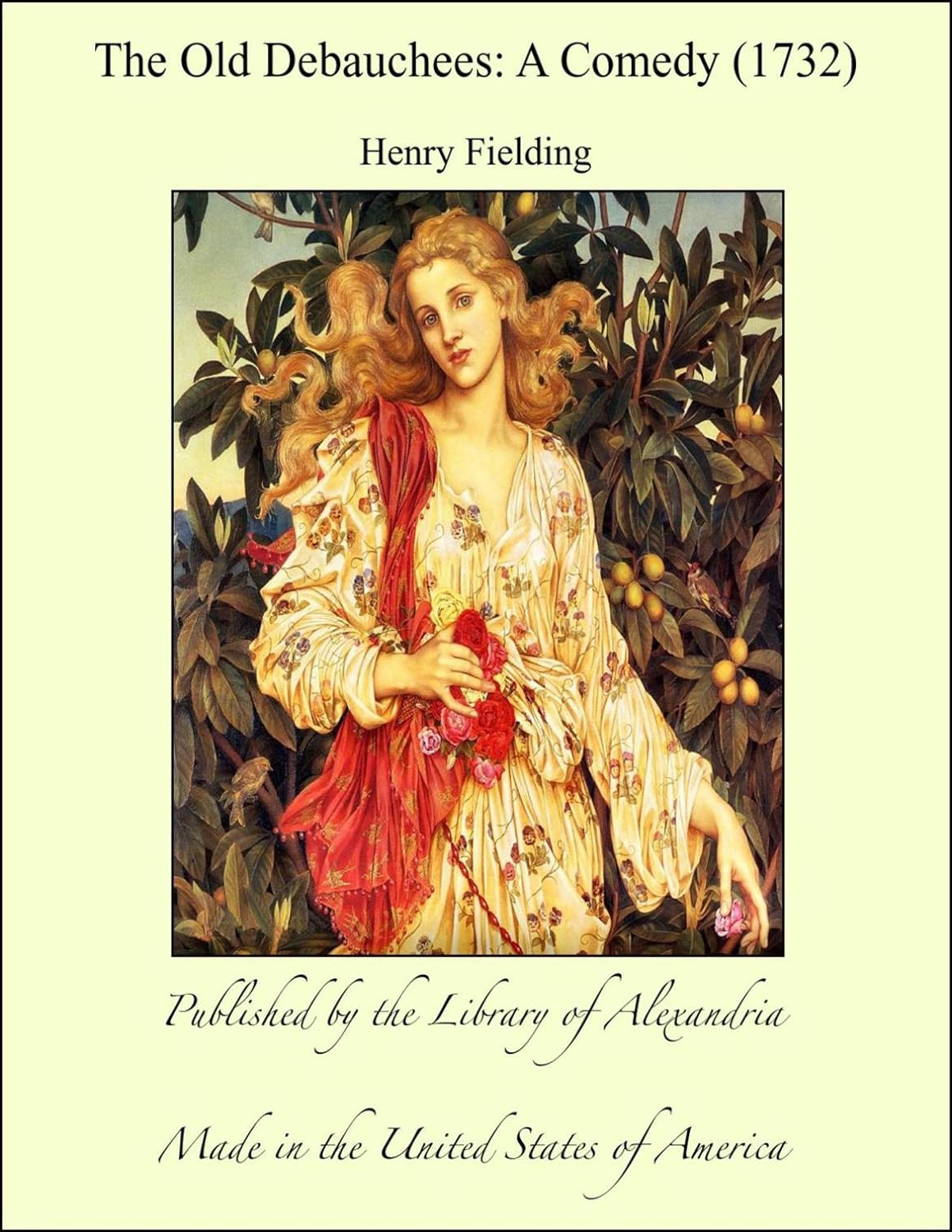
The Old Debauchees
The Old Debauchees is a comic play by Henry Fielding, first performed at the Theatre Royal Drury Lane in June 1732 during Fielding’s early career as a London playwright. Before he turned to novels in the early 1740s, Fielding had produced a substantial body of comic plays for the London stage and was one of the most successful writers for the theater during the years before the Licensing Act of 1737 substantially restricted dramatic production in England.
The play is a short two act comedy in the satirical mode that Fielding favoured during these years. The plot involves a young woman named Isabel who is being courted by a young Captain Laroon. Various complications arise from the interventions of older characters including the old debauchees of the title, a pair of aging libertines who continue to pursue young women and to involve themselves in the romantic affairs of younger people in ways that produce comic embarrassment for everyone concerned.
The play also contains an anticlerical element that gave it some notoriety in its original production. One of the central comic figures is a Father Martin, a Catholic priest whose moral instruction of Isabel is presented as a vehicle for various improper proposals on his own account. The treatment of the priest character drew complaints from various quarters and contributed to the broader controversy about Fielding’s satirical methods that would eventually feed into the political pressure for the Licensing Act of 1737.
The play was paired in its original production with a short afterpiece called The Covent Garden Tragedy, which was even more controversial and which Fielding eventually withdrew. The Old Debauchees survived and was performed for several seasons during the 1730s, although it never became one of the standard repertoire pieces.
The play is short and reads in about an hour. It is mostly of interest now to readers tracing Fielding’s development as a writer before he turned to novels, and to historians of early eighteenth century English theatrical comedy. For readers who liked the satirical aspects of his novels, this is a useful early example of his work in a different form. It pairs naturally with his other plays of the same period including Pasquin and The Historical Register for 1736.
About the Author
Henry Fielding was an 18th-century English novelist and dramatist, a founding figure of the English novel. He is best known for the comic masterpiece Tom Jones.
See all books by Henry Fielding →


Listen to The Old Debauchees Audiobook Free
Listen to The Old Debauchees by Henry Fielding free online. The full audiobook (1 hr 7 min, 3 chapters, read by volunteer narrators) streams free on this page.
The Old Debauchees (1732) is a public domain work.
| # | Chapter | Length | |
|---|---|---|---|
| 1 | Act 1 | 23:38 | |
| 2 | Act 2 | 21:12 | |
| 3 | Act 3 | 22:37 |
Prefer reading? Read The Old Debauchees online free or download the PDF and EPUB above.