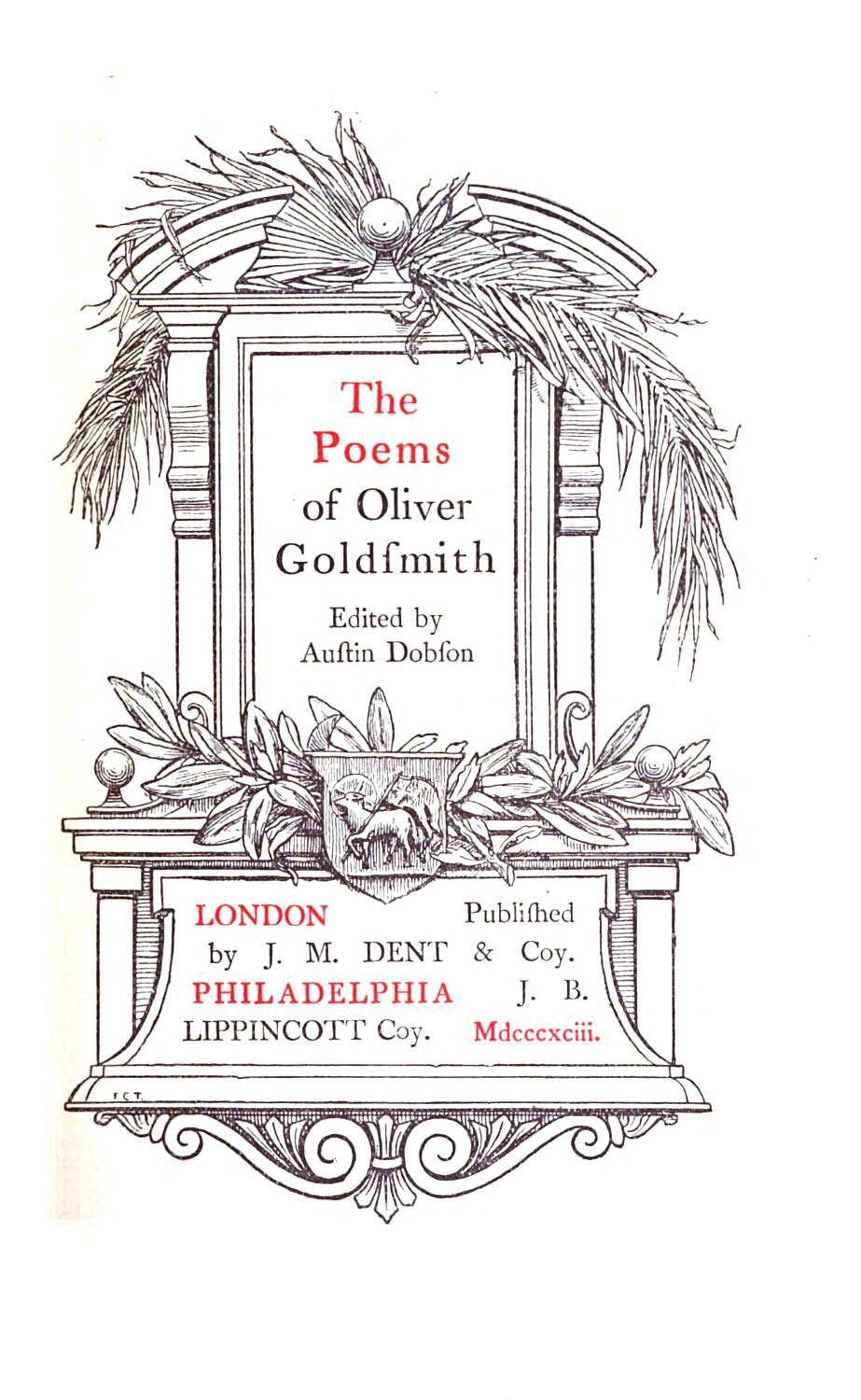
The Poems of Oliver Goldsmith
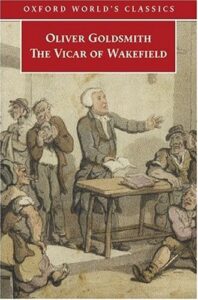
The Poems of Oliver Goldsmith collects the verse of the Anglo-Irish writer who lived from 1728 to 1774. Goldsmith produced relatively little poetry compared to his prose output, but the poems he did write include some of the most enduring English verse of the eighteenth century and his lasting reputation rests substantially on a few major poems alongside the novel The Vicar of Wakefield and the play She Stoops to Conquer.
The central poems include The Deserted Village of 1770, the long meditative poem about the depopulation of an English village called Auburn that has often been read as a response to the rural displacement that the eighteenth-century enclosure movement was causing across England. The poem combines nostalgic description of village life with substantial social and economic argument about the broader transformation of the English countryside.
The Traveller of 1764 was Goldsmith’s earlier long poem and was the work that first established his reputation as a serious poet. Subtitled A Prospect of Society, the poem moves the reader across various European countries and reflects on the different forms of political and social organization that produce different national characters. The poem was widely admired in its time by judges including Samuel Johnson, who said it was the finest poem since Pope’s death.
The shorter poems include the famous comic elegies An Elegy on the Death of a Mad Dog and An Elegy on Mrs. Mary Blaize, the song When Lovely Woman Stoops to Folly from The Vicar of Wakefield, the elegy Retaliation written in his last year, and various other shorter pieces produced across his career.
Goldsmith wrote in the polished couplet style that the mid-eighteenth-century English poetic tradition had perfected under Pope. The Traveller and The Deserted Village both work in heroic couplets and show the mature form of the style. The comic poems and the songs work in various lighter measures appropriate to their occasions.
The collected Poems runs about two hundred pages and includes Goldsmith’s complete verse output. For readers of eighteenth-century English poetry, Goldsmith is essential. The poems pair naturally with his prose works and with the broader Augustan English poetic tradition.
About the Author
Download free books by Oliver Goldsmith on BDeBooks. Read Oliver Goldsmith’s works online or download as PDF/EPUB · part of our growing free eBook collection.
See all books by Oliver Goldsmith →