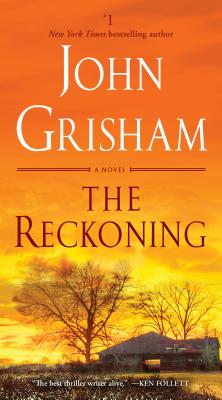
The Reckoning
The Reckoning is John Grisham’s 2018 novel, a serious departure from the legal thrillers that built his career and one of the most ambitious books he has written. The novel opens in October 1946, in the small Mississippi town of Clanton that Grisham has been returning to throughout his career. Pete Banning, a respected cotton farmer, decorated war hero, and pillar of the community, walks into the Methodist Church on a quiet morning and shoots his pastor dead. He returns home, surrenders to the police, and refuses to say why.
The novel is structured in three parts and moves backward and forward in time across decades. The first part follows the immediate aftermath of the murder, the trial, and the consequences for Pete’s wife Liza, his teenage children Joel and Stella, and the wider Banning family. The second part jumps back to the 1920s and follows Pete through his courtship with Liza, his service in the Pacific war, his survival of the Bataan Death March, and his return to Mississippi after years that should have killed him many times over. The third part returns to the aftermath and works through the slow revelation of why Pete actually killed the pastor and what it cost everyone around him to keep the truth hidden.
Grisham handles all of this with care that his early thrillers rarely required. The Bataan Death March and the Japanese prison camp sections are some of the most powerful war writing in his catalogue, drawn from extensive research into the actual experiences of American soldiers captured in the Philippines. The Mississippi sections engage with the racial politics of the postwar South in ways Grisham has been pushing toward across his late career, and the trial sequences have the procedural authority his readers expect.
For longtime Grisham fans, The Reckoning is one of the strongest entries in his late career. For new readers, it is a substantial novel that rewards patience and shows what Grisham can do when he commits to literary fiction.
About the Author
John Grisham is an American author and former lawyer, best known for his legal thrillers. Bestsellers such as The Firm, A Time to Kill, and The Pelican Brief draw on his background in law and the American South.
See all books by John Grisham →