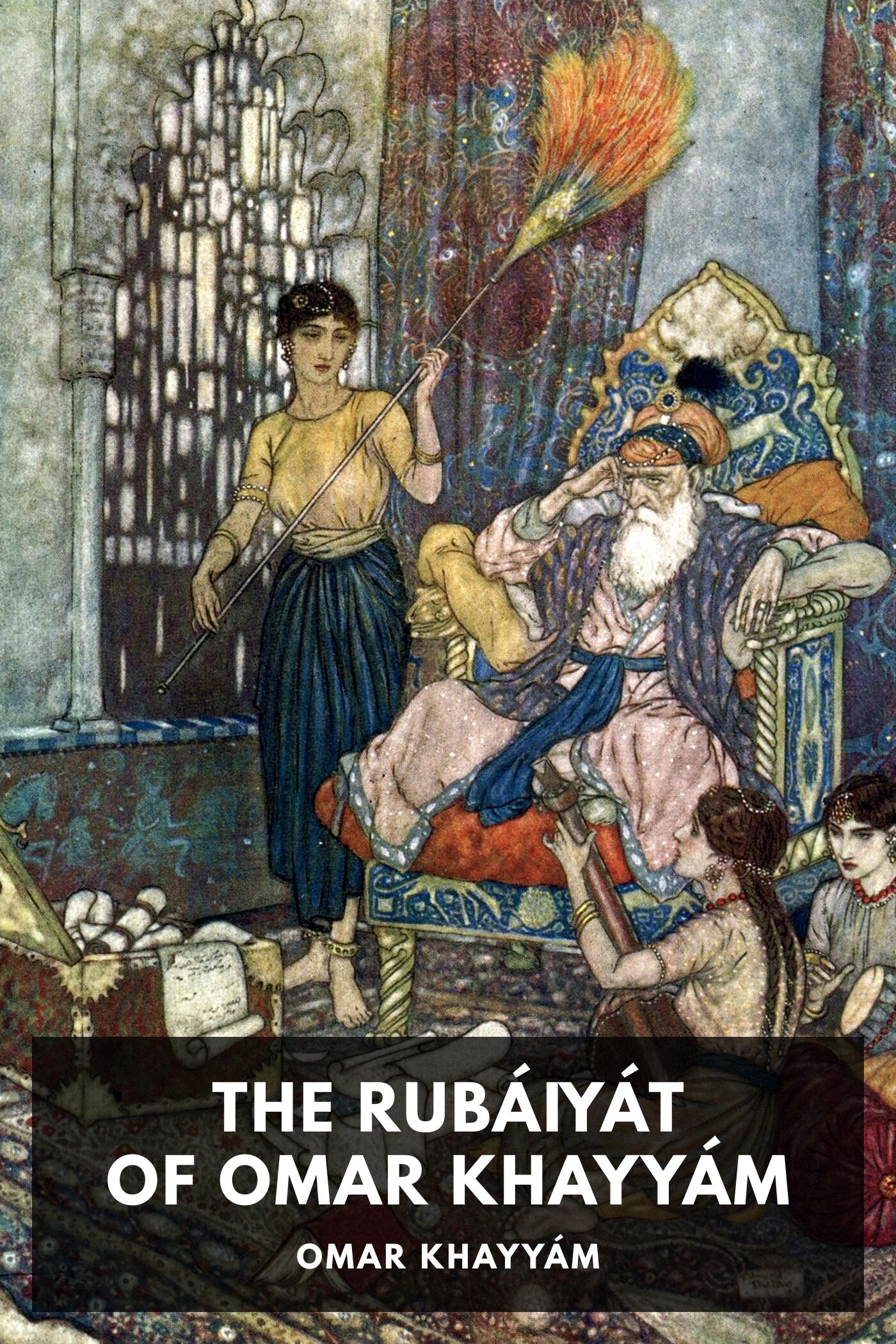
The Rubáiyát of Omar Khayyám
Edward FitzGerald’s 1859 English rendering turned a set of medieval Persian quatrains into one of the most quoted poems in the language. The verses, attributed to the astronomer and mathematician Omar Khayyam, meditate on the brevity of life, the pleasures of wine and companionship, and the folly of arguing with fate. FitzGerald reshaped rather than strictly translated, and the result reads as a single sustained reverie on mortality and doubt. Slow to sell at first, it became a Victorian sensation, inspiring devoted clubs and countless editions along with lasting debate over how much of Khayyam survives in it. Its images, the loaf of bread, the jug of wine, the moving finger that writes, have entered everyday speech. Free to read as a PDF and EPUB edition.
About the Author
Download free books by Omar Khayyam on BDeBooks. Read Omar Khayyam’s works online or download as PDF/EPUB · part of our growing free eBook collection.
See all books by Omar Khayyam →