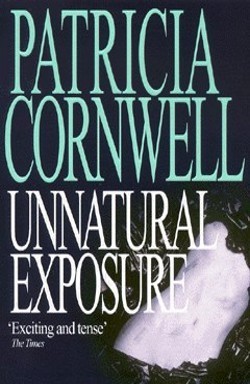
Unnatural Exposure
Unnatural Exposure is the eighth Kay Scarpetta novel from Patricia Cornwell, published in 1997. The Scarpetta series is one of the longest running and most influential franchises in modern American crime fiction, with Cornwell having essentially invented the modern forensic procedural with her 1990 debut Postmortem. By this entry, the cumulative Scarpetta universe had developed a dense set of returning cast members, ongoing personal storylines, and the recurring antagonist threads that would shape the series for years to come.
In this novel, Kay Scarpetta is the chief medical examiner of Virginia and is dealing with a particularly disturbing series of cases. The torsos of murder victims have been turning up across rural Virginia, all of them showing signs of advanced decomposition before death and connections to a Tangier Island fishing community that nobody outside the wider Tidewater region has paid much attention to in decades. The case develops into the kind of escalating biomedical thriller that Cornwell would explore in several novels around this period, with implications for the wider Scarpetta universe that connect to recurring antagonist storylines from the previous books.
The Tangier Island setting is one of the more distinctive elements of the novel. The actual Tangier Island is a small isolated fishing community in the Chesapeake Bay, with a population that has been declining for decades as both the watermen’s livelihoods and the physical island itself have been threatened by environmental and economic pressures. Cornwell uses the real geography of the place to anchor the fictional case, with attention to the specific cultural and economic situation of the watermen community giving the novel additional weight beyond just the central forensic plot.
What Cornwell does in the late 1990s Scarpetta novels is balance the procedural mystery with the ongoing personal storylines that have been developing across the previous books. Scarpetta’s relationship with Benton Wesley, the FBI profiler. Her niece Lucy Farinelli, the brilliant if difficult tech specialist. Her longtime friend and police investigator Pete Marino. Unnatural Exposure advances all of these threads while delivering the contained case that the individual book requires.
The biomedical horror element of the novel was unusually graphic for popular thriller fiction of the period, and the book has become one of the entries that established Cornwell’s willingness to push the genre toward genuinely disturbing material. For longtime Scarpetta fans, Unnatural Exposure is one of the more pivotal late 1990s entries.
About the Author
Download free books by Patricia Cornwell on BDeBooks. Read Patricia Cornwell’s works online or download as PDF/EPUB — part of our growing free eBook collection.
See all books by Patricia Cornwell →