

What Maisie Knew
- Downloads
- Under 100
- First published
- 1897
- Pages
- 245
Listen to What Maisie Knew Audiobook Free
-
00 - Introduction
9:53 -
01 - Chapter 01
7:51 -
02 - Chapter 02
7:48 -
03 - Chapter 03
6:01 -
04 - Chapter 04
8:22 -
05 - Chapter 05
9:07 -
06 - Chapter 06
11:37 -
07 - Chapter 07
13:44 -
08 - Chapter 08
19:18 -
09 - Chapter 09
15:23 -
10 - Chapter 10
12:52 -
11 - Chapter 11
18:31 -
12 - Chapter 12
18:14 -
13 - Chapter 13
15:22 -
14 - Chapter 14
16:45 -
15 - Chapter 15
16:15 -
16 - Chapter 16
17:01 -
17 - Chapter 17
17:33 -
18 - Chapter 18
17:40 -
19 - Chapter 19
23:14 -
20 - Chapter 20
28:54 -
21 - Chapter 21
20:16 -
22 - Chapter 22
12:55 -
23 - Chapter 23
15:51 -
24 - Chapter 24
20:10 -
25 - Chapter 25
18:34 -
26 - Chapter 26
20:14 -
27 - Chapter 27
13:48 -
28 - Chapter 28
15:19 -
29 - Chapter 29
20:28 -
30 - Chapter 30
25:44 -
31 - Chapter 31
35:29
What Maisie Knew (1897) is a public domain work.
The audio edition streams in the page. There is no audio file to download.
About this book
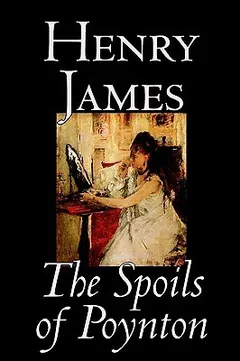
What Maisie Knew is a novel by Henry James, first serialised in the Chap Book and the New Review during 1897 and published in book form the same year. It is one of the central novels of his experimental middle period, alongside The Spoils of Poynton and The Awkward Age, and one of the most original treatments in nineteenth century English fiction of a child as the observer of adult disorder.
Maisie Farange is the young daughter of Beale and Ida Farange, a wealthy English couple who have divorced bitterly. The court has ruled that Maisie will spend alternating six month periods with each parent. The novel follows what happens to Maisie across the next several years as both her parents remarry, divorce again, take various lovers, and shuffle Maisie between households according to whichever arrangement is currently most convenient or most spiteful. Maisie acquires a series of governesses, a stepmother who briefly cares about her, a stepfather who becomes the closest thing to a real parent she has, and a slow accumulating understanding of the moral character of the various adults whose lives have been imposed on hers.
What makes the book extraordinary is the technical achievement of telling the story almost entirely from Maisie's developing point of view, beginning when she is six and continuing into her early adolescence. James does not write in a child's voice. He writes in his own sophisticated adult voice but limits himself rigorously to what Maisie can actually see and understand at each stage. The result is a novel in which the reader gradually understands more than Maisie can articulate, and in which the child's slowly developing moral sense becomes the centre of the book. The famous ending, where Maisie must finally choose what she wants, is one of the most quietly devastating moments in late Victorian fiction.
The novel runs about three hundred pages and is one of the most demanding of the middle period works. For readers who have liked The Spoils of Poynton or The Awkward Age, this is the next book to attempt. It pairs naturally with The Pupil, the short story that handles similar material at much shorter length, and with the later novella The Turn of the Screw.
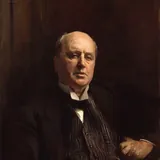
About the author




More from this genre
See all- M The Mysteries of London, v. 4/4The Mysteries of London, v. 4/4
- Fifty-One Years of Victorian Life
- Robert Falconer
 Audio
- Under the Greenwood Tree
 Audio
- Oswald Langdon
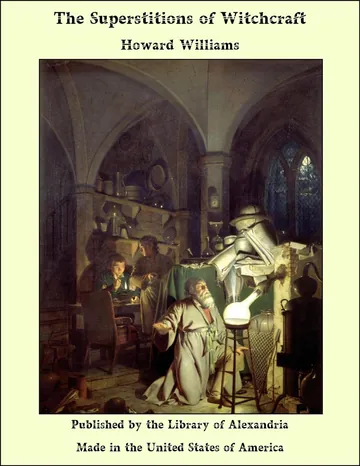
- The Superstitions of Witchcraft
Books like this one
Discussion
No comments yet. Share a thought, a question or a favourite passage.
Copyright concern? Read our DMCA policy
Read or download
Public domain book This work is in the public domain and free of copyright. Anyone may read, download and share it.
- PDF 1.6 MB
- EPUB 279 KB
Downloads start right away. How to open EPUB on your phone
Book facts
- Author
- Henry James
- First published
- 1897
- Reading time
- About 7 hours
- Pages
- 245
- Language
- English
- Genre
- Victorian Era
- Formats
- PDF, EPUB, Read online, Audiobook
- Audio read by
- Elizabeth Klett