
- ডাউনলোড
- ৯,০৯২
- পৃষ্ঠা
- ১,৩৩৫
- ফাইলের আকার
- ৪.৪ MB
বইটি সম্পর্কে
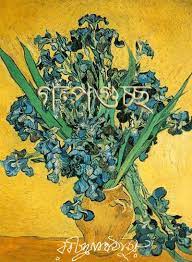
গল্পগুচ্ছ pdf বাংলা রবীন্দ্রনাথ ঠাকুর এর লেখা একটি গল্প সমগ্র/সংকলন বই। তার “গল্পগুচ্ছ” বইয়ের একটি পিডিএফ (pdf) ফাইল ই বুক (eBook) আমরা অনলাইনে খুজে পেয়েছি এবং রবীন্দ্রনাথ ঠাকুর (Rabindranath Tagore) এর অসাধারণ বইটি আপনাদের মাঝে শেয়ার করছি। রবীন্দ্রনাথ ঠাকুরের লেখা আরও ছোটগল্প, প্রবন্ধ, কাব্যগ্রন্থ, উপন্যস, আত্মজীবনী,গদ্যসংকলন সহ সকল পিডিএফ বই পাঠের জন্য আমাদের সাইটে চোখ রাখুন। সর্বমোট ৯১ টি গল্প নিয়ে বইটি রচিত হয়েছে। আপনারা যেকোন সময় বইটি আমাদের ওয়েব সাইট থেকে ডাউনলোড করে এবং অনলাইনে পড়তে পারবেন। ১৩৫৫ পাতার গল্পগুচ্ছ বাংলা বইটি (Bangla Boi) একটি অধিক পঠিত গল্প কংকলন যা ১৯০৮ সালে দি স্কাই পাবলিশার্স প্রথম প্রকাশ করে। বইয়ের বিবরণ বইয়ের নামঃ গল্পগুচ্ছ লেখকঃ রবীন্দ্রনাথ ঠাকুর প্রকাশিতঃ ১৯০৮ প্রকাশকঃ দি স্কাই পাবলিশার্স সাইজঃ ০৪ এমবি ভাষাঃ বাংলা (Bangla/Bengali) পাতা সংখ্যাঃ ১৩৫৫ টি বইয়ের ধরণঃ গল্প ফরম্যাটঃ পিডিএফ (PDF) গল্পগুচ্ছ বই রিভিউঃ রবীন্দ্রনাথ ঠাকুর এর গল্পগুচ্ছ বাংলা বইটি সম্পুর্ণ ফ্রীতে ডাউনলোড এবং পড়তে পারবেন। আমরা রবীন্দ্রনাথ ঠাকুর এর গল্পগুচ্ছ বই এর পিডিএফ কপি সংগ্রহ করেছি এবং আপনাদের মাঝে তা শেয়ার করছি। বইটি ৯১ খানা গল্প নিয়ে রচিত যার প্রতিটি গল্প অসাধারণ মনে হয়েছে। বাংলা সাহিত্যে ছোটগল্পের রুপস্রষ্টা রবীন্দ্রনাথ ঠাকুরের এটি একটি অমর কীর্তি। তার এই গল্পগুচ্ছ বই এর মধ্যে রয়েছে – ছুটি, পোস্টমাস্টার, নষ্টনীড়, সমাপ্তি, রবিবার, ল্যাবরেটরি, কাবুলিওয়ালা, হৈমন্তী, একটা আষাঢ়ে গল্প, একরাত্রি, ক্ষুধিত পাষাণ, মণিহারা, অপরিচিতা, ইচ্ছাপূরণ, অসম্ভব কথা, গুপ্তধন, দিদি, মেঘ ও রৌদ্র, স্ত্রীর পত্র, করুণা ইত্যাদি।
লেখক পরিচিতি

এই ধরনের আরও বই
সব দেখুন
এমন আরও বই
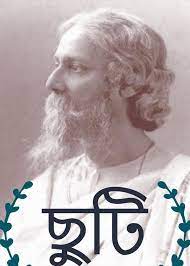
আলোচনা
এখনও কোনো মন্তব্য নেই। আপনার ভাবনা, প্রশ্ন বা প্রিয় কোনো অংশ লিখে জানান।
কপিরাইট নিয়ে প্রশ্ন? আমাদের DMCA নীতি পড়ুন
পড়ুন বা ডাউনলোড করুন
- PDF ৪.৪ MB ডাউনলোড
ডাউনলোড সঙ্গে সঙ্গে শুরু হয়। ডাউনলোড সহায়তা
বইয়ের তথ্য
- পৃষ্ঠা
- ১,৩৩৫
- ভাষা
- বাংলা
- ধরন
- গল্প সংকলন
- ফরম্যাট
- PDF, অনলাইনে পড়ুন