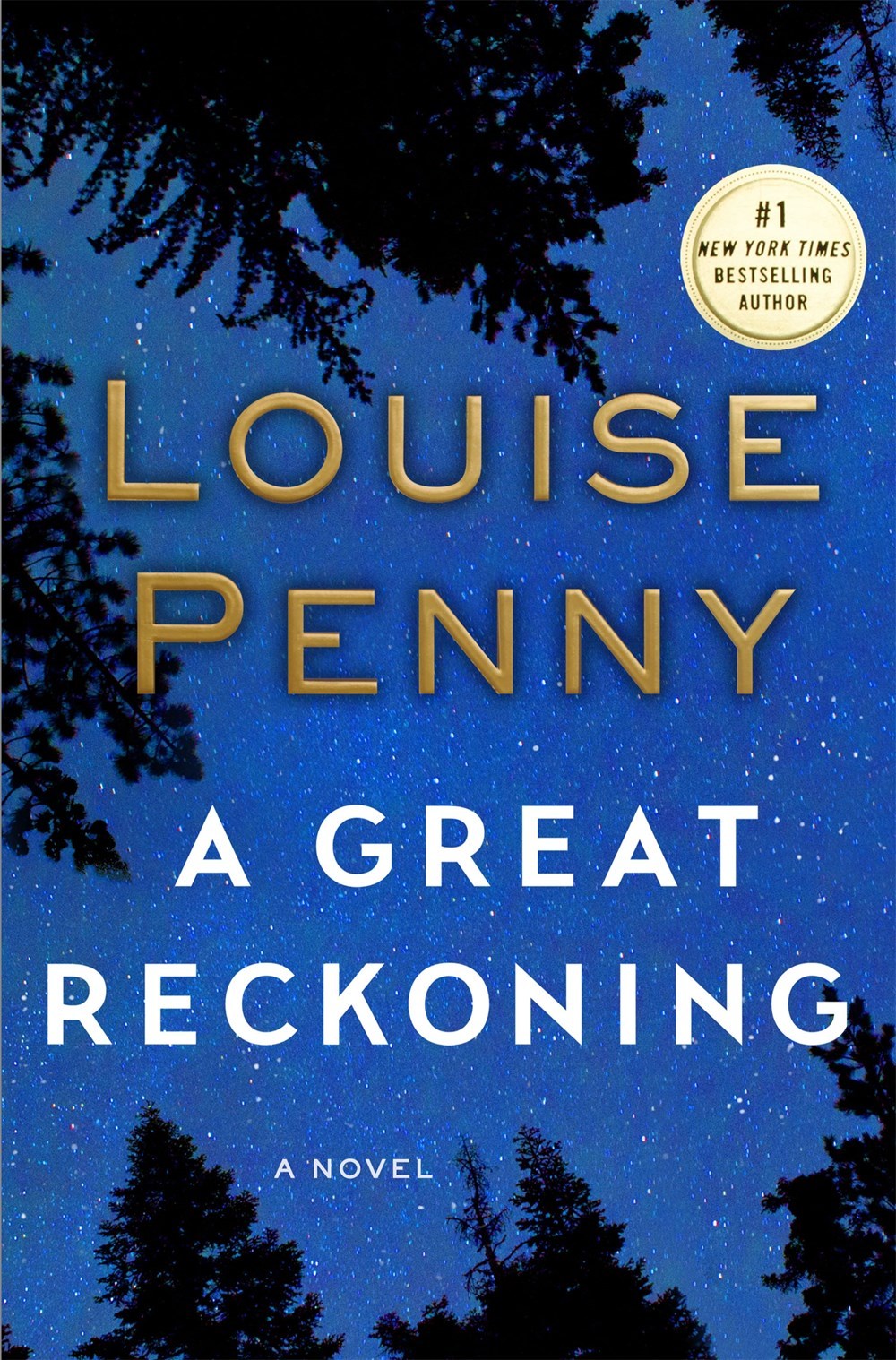
A Great Reckoning
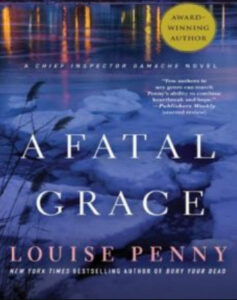
A Great Reckoning is the twelfth Inspector Armand Gamache novel from Louise Penny, set in the small Quebec village of Three Pines and at the Surete Academy where Gamache has just taken over as commander after his unexpected return from retirement. The novel finds Gamache in a position no one in the police community had expected. He has been brought back to clean up the academy, which had become a center of corruption under its previous leadership, and he is determined to remake the institution from the inside even though almost everyone tells him the project is impossible.
The central mystery involves the murder of one of the academy’s professors, a difficult man with a complicated history at the academy whose death sends Gamache and his small team of trusted allies into both the academy’s own dark corners and the wider Quebec history that the murdered man had spent years studying. The professor had been working on an old map of the area, an apparently innocuous orienteering map that turns out to contain coded historical information that someone was very willing to kill to keep hidden. The case pulls Gamache, Beauvoir, the academy cadets he has been mentoring, and several familiar faces from Three Pines into a slow building investigation that touches both the present corruption of the academy and a much older story.
Louise Penny writes mysteries that take ideas seriously. The institutional reform plot, with Gamache trying to remake an academy that the entire police culture has accepted as broken, is unusually substantive for a series mystery. The wider Quebec history that the map turns out to point to is rendered with the kind of careful regional detail that Penny has been developing across the entire Three Pines series. The familiar Three Pines cast appears in the novel as their own subplot, with the village dealing with its own situation while Gamache’s case plays out in Montreal.
For longtime Gamache fans, A Great Reckoning is one of the strongest middle to late period entries. The themes about institutional corruption and the costs of reform have only become more relevant since the book was published. New readers should start at the beginning with Still Life.
About the Author
Read and download 3 free books by Louise Penny on BDeBooks. Browse the complete collection of Louise Penny’s works available as free PDF and EPUB downloads. Discover novels, fiction, and other writings by Louise Penny in our online eBook library.
See all books by Louise Penny →