Amelia – Volume 2
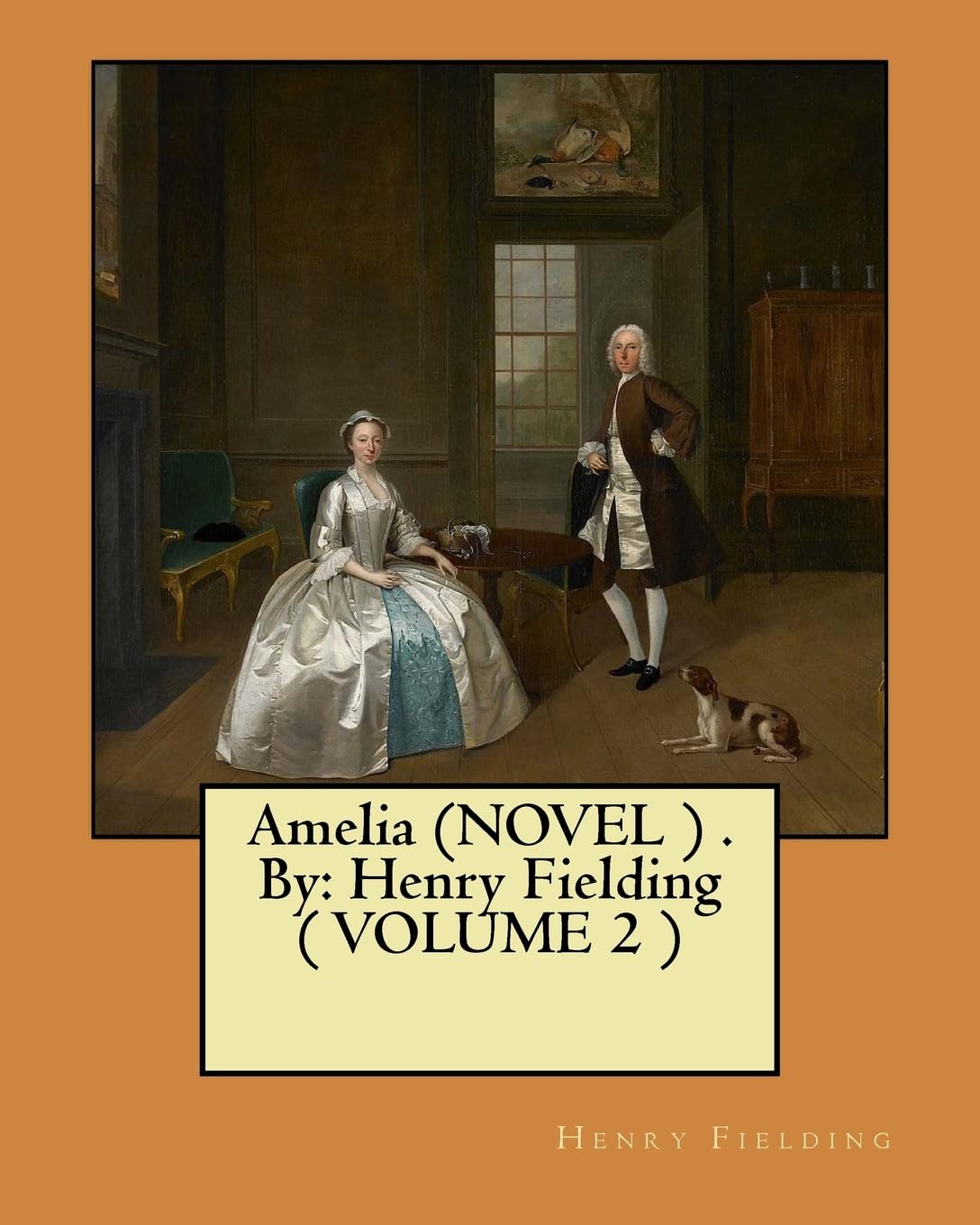
Amelia, Volume 2 is the second volume of Henry Fielding’s last completed novel, originally published in 1751 in four volumes. Amelia was the last major work Fielding completed before his death in 1754 and was written during the period when he was also serving as a London magistrate, deeply involved in the practical problems of urban crime and poverty that the novel reflects throughout.
The novel follows Captain William Booth and his wife Amelia through their married life in mid eighteenth century London. Booth has come into difficulties through a combination of his own weak judgment and a series of misfortunes that the novel works through with painful slowness. Amelia herself is one of the most quietly virtuous female protagonists in eighteenth century English fiction, bearing the consequences of her husband’s failings with a moral steadiness that Fielding clearly admired and that gave the novel its emotional centre.
Volume 2 continues the story from where the first volume left off. The various complications of Booth’s situation deepen, with debt, the threat of imprisonment, and the moral pressure of various unscrupulous London figures who circle the couple looking for opportunities to take advantage of their difficulties. Fielding draws on his magistrate’s knowledge of the London underworld to give the novel a documentary realism that distinguishes it from the more comic earlier novels like Tom Jones.
Amelia has always been the most divisive of Fielding’s three major novels. Some readers find it the most morally serious and most realistic of his works, with Amelia herself as one of the finest female characters in the eighteenth century novel. Other readers find it heavier going than the brisk comic energy of Tom Jones and complain that Booth is too weak a hero to carry the moral weight Fielding tries to place on him. Both views have merit.
The volume runs about two hundred pages and is best read as part of the full four volume novel. For readers willing to commit to Amelia, it is the most moving thing Fielding ever wrote. It pairs naturally with Tom Jones and Joseph Andrews as the third panel of his major novelistic work.
About the Author
Henry Fielding was an 18th-century English novelist and dramatist, a founding figure of the English novel. He is best known for the comic masterpiece Tom Jones.
See all books by Henry Fielding →