Plain Truth
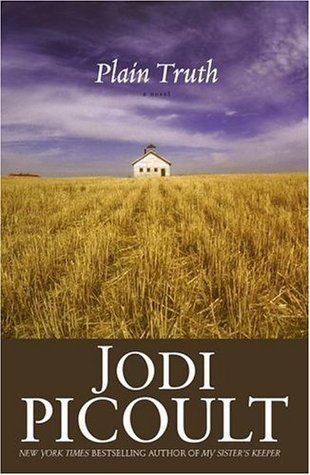
Plain Truth is Jodi Picoult’s 2000 novel, set in the Lancaster County Pennsylvania Amish community and built around one of the most morally difficult premises she has tackled. An eighteen year old Amish girl named Katie Fisher is found unconscious in her family’s barn after giving birth in secret. The infant is dead. The case attracts national attention, and the Fisher family reluctantly accepts legal help from Ellie Hathaway, a high powered Philadelphia defense attorney who is herself in the middle of a personal crisis and who agrees to take the case partly because she has nowhere else she wants to be at the moment.
The legal arrangement requires Ellie to live with the Fisher family on their farm during the pre trial period, and the novel becomes as much an immersion in the Amish way of life as a courtroom drama. Picoult did substantial research into the actual Lancaster County Amish community and the book handles the religious and cultural material with the kind of care that distinguishes serious historical and contemporary fiction from the more exploitative novels that have been written about the Amish over the years. The Fisher family’s grief, their religious commitment, their suspicion of the English world that Ellie represents, and the slow building bond between Katie and Ellie all carry weight that the case alone could not provide.
The central legal question is whether Katie killed her newborn or whether the baby died of natural causes, and the moral question that runs underneath the legal one is whether either answer fits the Amish community’s understanding of grace, sin, and forgiveness. Picoult uses her standard rotating perspectives technique, with chapters from Ellie, Katie, Katie’s parents, and various supporting characters, and the slowly clarifying picture of what actually happened in the barn that night arrives in pieces that the reader has to assemble.
For longtime Picoult fans, Plain Truth is one of her stronger early novels and one of the books that helped establish her reputation for taking on morally difficult subjects with the seriousness they deserve. For new readers, the novel works as a standalone introduction to her style. The Amish material has aged better than some of the more topical novels she would write later in her career.
About the Author
Read and download 5 free books by Jodi Picoult on BDeBooks. Browse the complete collection of Jodi Picoult’s works available as free PDF and EPUB downloads. Discover novels, fiction, and other writings by Jodi Picoult in our online eBook library.
See all books by Jodi Picoult →