


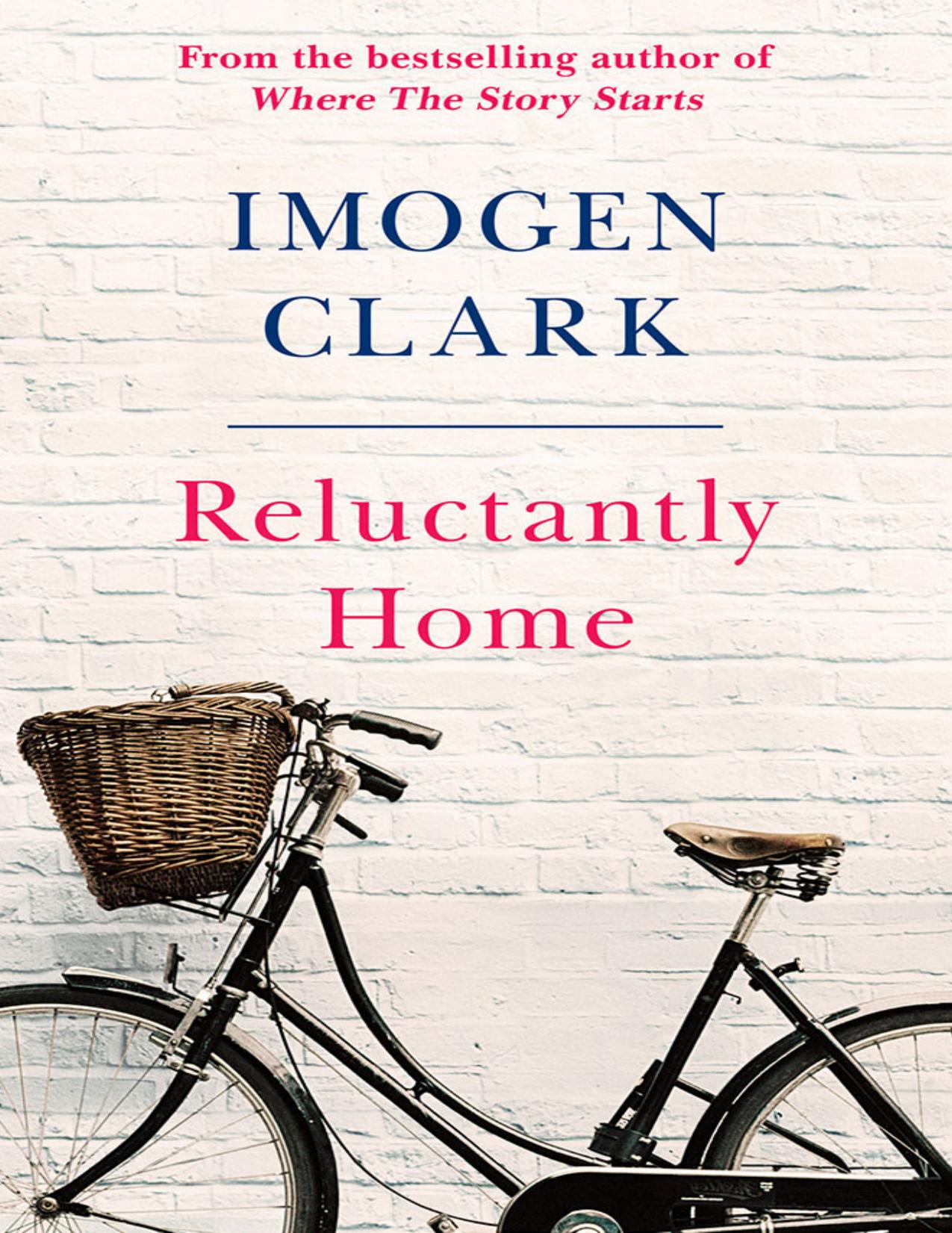
Reluctantly Home
Imogen Clark

Reluctantly Home pulls together two timelines, one set in 2019 and another reaching back into the late 1980s, and Imogen Clark gradually weaves them in a way that makes you want to stay up later than you should. The 2019 thread follows Pip Appleby, a young lawyer whose career ends abruptly after a serious accident. She moves back into her parents’ farmhouse in the Suffolk village she grew up in, restless and a bit lost. Then she finds a battered old diary tucked into a secondhand book, and the second timeline opens up. The diary belonged to Evelyn, who lived in the same area decades earlier and was clearly running from something she could not name out loud.
Clark writes the kind of quiet British fiction that rewards patience. There are no big shocks in the early chapters, just a careful build, and you get to know both women well enough that the eventual reveals land harder than they would in a louder book. The Suffolk countryside is its own character here, all damp lanes and small village shops where people remember who you used to be.
Readers who liked Kate Morton’s earlier novels or Lucinda Riley’s quieter work will probably enjoy this. It is gentle without being slight, and the mystery, when it finally comes into focus, has real emotional weight. Imogen Clark has been publishing dual-timeline fiction for several years now and Reluctantly Home is, for many readers, the book that made them go back and read everything else she has written.