The Rulers of the Lakes
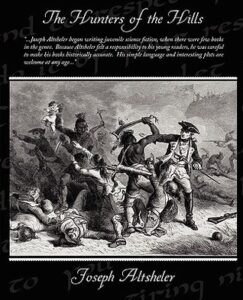
The Rulers of the Lakes is the fourth book in Joseph Alexander Altsheler’s French and Indian War series, published in 1917. The series follows the young scout Robert Lennox and his Mohawk friend Tayoga through the major actions of the war for North America between the British colonies and New France from 1754 to 1760, and this volume centers on the campaign that produced the British defeat at Fort William Henry and the subsequent massacre that has become one of the most famous episodes of the conflict.
The action of the novel covers the months leading up to the French siege of Fort William Henry in August 1757. Robert and Tayoga are operating in the country south of Lake George, where they are alternately scouting for the British garrison and trying to gather intelligence about the movements of the much larger French force under the Marquis de Montcalm advancing from the north. Most of the book is small group woodland action, with the long careful tracking and counter tracking that Altsheler did better than most other American boys adventure writers of the period. The novel includes the long French siege itself, treated with reasonable historical accuracy, and ends with the famous massacre of the surrendering British and colonial troops by Montcalm’s native allies as the column was leaving the fort.
Altsheler handles the historical material with the care that ran through all his Civil War and French and Indian War novels. He had clearly read the major sources, including the Parkman histories, and the broad shape of the campaign as he gives it is correct. The massacre at Fort William Henry was one of the most controversial episodes of the war and the moral questions it raises were handled differently by different writers of the period. Altsheler does not minimize the violence but he is also careful to present the responsibility as complicated, with Montcalm trying and failing to control allies whose own customs of war did not match the European conventions.
The novel runs about three hundred pages. For readers following the French and Indian War series, it sits between The Masters of the Peaks and The Lords of the Wild, and gives the central historical action of the series. It pairs naturally with James Fenimore Cooper’s Last of the Mohicans, which handles the same Fort William Henry material in earlier and more romantic fiction.
About the Author
Joseph A. Altsheler was an American author of historical and adventure novels for young readers, popular in the early 20th century for series set during America’s wars and on the frontier.
See all books by Joseph Alexander Altsheler →