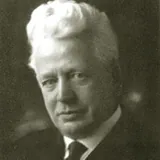
Alfred Korzybski
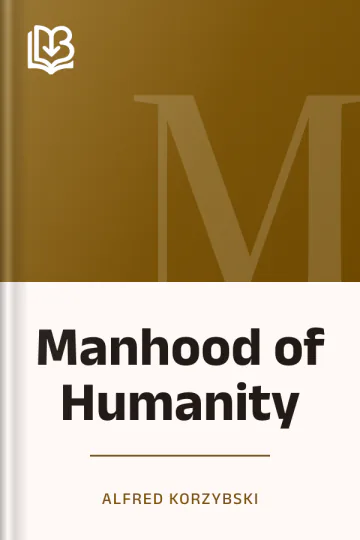
Alfred Korzybski was an émigré engineer and scholar who developed general semantics, a discipline concerned with how language and evaluation shape human conduct. Manhood of Humanity appeared in 1921 as his first book and introduced the concept of human beings as “time-binders.” By that term he meant the capacity to preserve knowledge, improve it, and transmit it across generations. The argument grew from his engineering training and his experience as an officer during the First World War, when technical achievement stood beside profound failures of cooperation. Korzybski later expanded his ideas in Science and Sanity and founded the Institute of General Semantics in Chicago in 1938. Its historical vocabulary can sound grand and dated, but its central question remains recognizable: what social responsibilities follow from cumulative knowledge? Charlotte Schuchardt edited a second edition, Edward Kasner wrote its foreword, and added papers clarify Korzybski's subsequent thinking. Reading the work within that development shows it as the starting point of a method, not his final statement.
- Books
- 1


 Audio
Audio
 Audio
Audio
 Audio
Audio
 Audio
Audio
 Audio
Audio