Where to start with philosophy: classic books a beginner can actually read
A trial speech in Athens, sayings from a Chinese teacher, Roman essays on anger and grief, and a few later books that changed how people argue about freedom and truth.
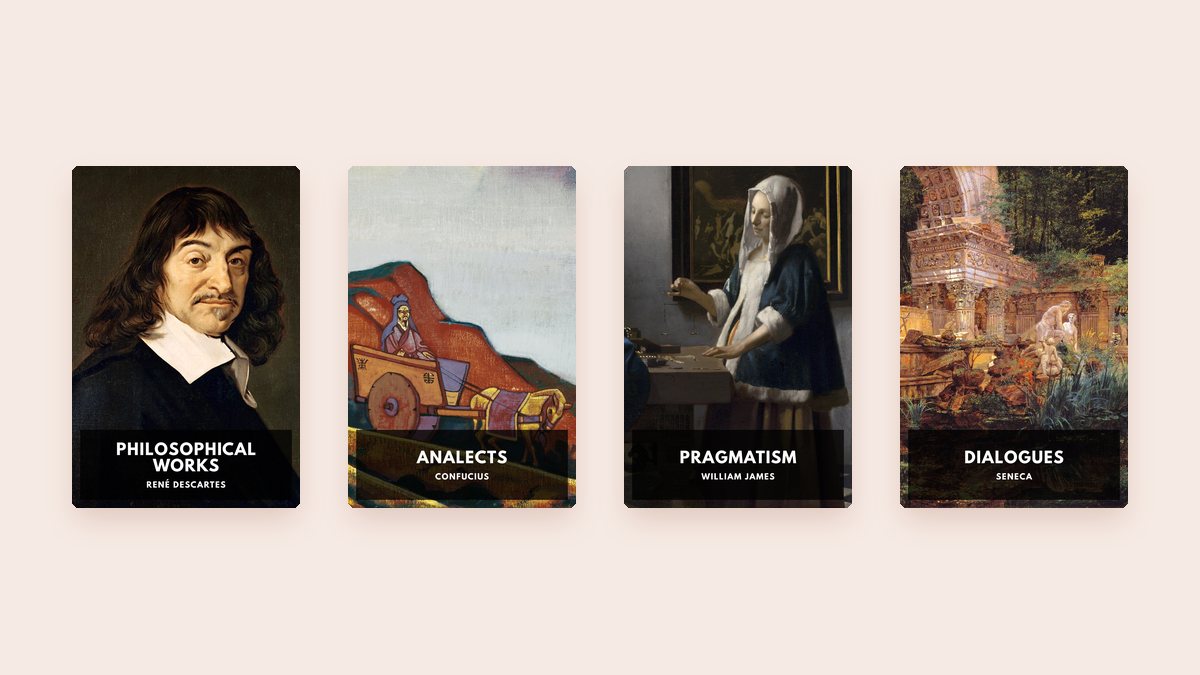
Philosophy has a reputation for being hard, and some of it is. But many of the books that started its biggest arguments were written for ordinary listeners and readers: a speech to a jury, sayings a teacher's students wrote down, essays addressed to friends, lectures given to the public.
The books below make a good first shelf. Each one is short or easy to read in parts, each asks questions people still argue about, and none needs any background to follow. All of them are free on BDeBooks, to read online or to download.
If you only try one, start with Plato's Apology. It takes a single evening, and by the end you will see why Socrates is still the person most of us picture when we hear the word philosopher.
The books
-
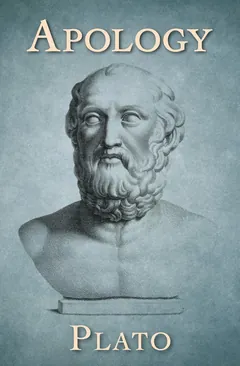
ApologyA courtroom speech you can read in one evening
Plato- Read online
- EPUB
- Audio
- Public domain
Plato's account of the speech Socrates gave at his trial in Athens in 399 BC, where he was charged with impiety and with corrupting the young. Instead of pleading for mercy, he explains why he spent his life questioning people who believed they were wise. It reads like a courtroom scene, and it is where the famous claim that the unexamined life is not worth living comes from.
Open the book -
AnalectsShort sayings to open anywhere and stop anywhere
Confucius- Read online
- EPUB
- Public domain
Sayings and short conversations of Confucius, gathered by his followers after his death in 479 BC. Most entries are only a few lines long, so you can open it anywhere and stop anywhere. Its subject is how to live well with other people: kindness, good manners, keeping your word and leading by example rather than by force. This edition uses James Legge's Victorian translation.
Open the book -
The Dialogues of SenecaRoman advice on anger, grief and a life that feels too short
Seneca- Read online
- EPUB
- Public domain
Seneca was a Roman Stoic who also served as adviser to the emperor Nero. These moral essays, known as his dialogues, deal with practical trouble: anger, grief, the shortness of life and how to stay steady when fortune turns. Some are letters of comfort to people who had lost someone close. On the Shortness of Life is the best place to begin.
Open the book -
On LibertyThe essay behind today's free speech arguments
John Stuart Mill- First published 1859
- Read online
- EPUB
- Audio
- Public domain
Published in 1859, John Stuart Mill's essay asks when society has the right to control what a person says and does. His answer, now often called the harm principle, is that the only good reason is to prevent harm to others. Much of today's argument about free speech still starts from this book, and it is short enough for a weekend.
Open the book -
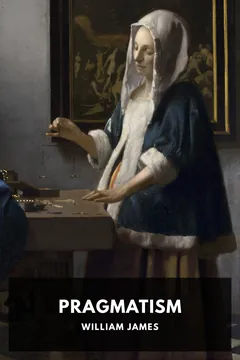
PragmatismLectures that judge an idea by the difference it makes
William James- First published 1907
- Read online
- EPUB
- Audio
- Public domain
William James gave these eight lectures in Boston and New York in 1906 and 1907, and they came out as a book in 1907. His test for an idea is easy to state: what difference would it make in practice if it were true? James writes the way he spoke, with jokes and everyday examples, which makes this one of the friendliest books in American philosophy.
Open the book -
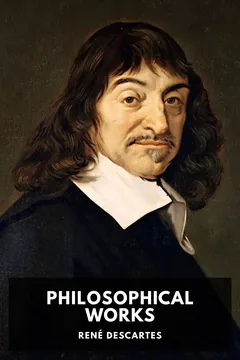
Philosophical WorksA thinker sets out to doubt everything, in the first person
René Descartes- First published 1637
- Read online
- EPUB
- Audio
- Public domain
This collection brings together the Discourse on the Method of 1637, where Descartes tells how he decided to doubt everything he had been taught, the Meditations on First Philosophy, where he searches for the one thing he cannot doubt, and selections from his Principles of Philosophy. The first two are written in the first person, almost like a diary of thinking. The famous line comes from the Discourse, which John Veitch's translation gives as "I think, hence I am."
Open the book -
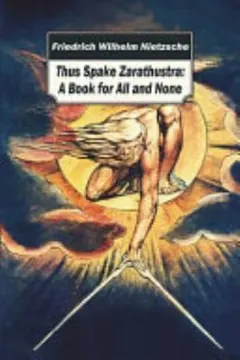
Thus Spake ZarathustraA prophet's speeches, best read slowly and last
Friedrich Nietzsche- First published 1885
- Read online
- EPUB
- Audio
- Public domain
Nietzsche's best-known book, published in parts between 1883 and 1885, follows a prophet named Zarathustra who comes down from the mountains to teach. It is built from speeches, parables and short poetic chapters rather than arguments, so it rewards slow reading, a few chapters at a time. Save it for after one of the books above.
Open the book