12 Rules for Life
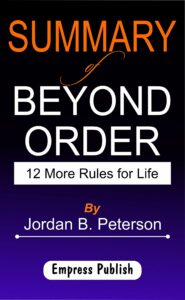
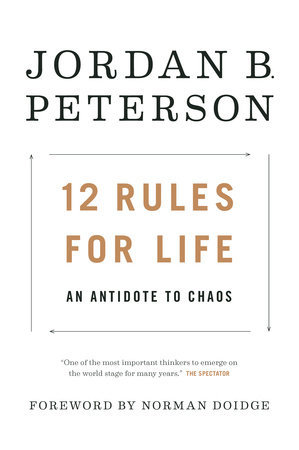
12 Rules for Life: An Antidote to Chaos is Jordan Peterson’s 2018 self help book, expanded from a list he originally posted on the question and answer site Quora. The book turned the University of Toronto psychology professor into a global phenomenon, sold millions of copies, and divided readers in ways that few self help titles ever manage. To his fans, Peterson was offering practical wisdom drawn from clinical practice, classical literature, and religious tradition, aimed at young men in particular who had been told they had no useful role to play in modern life. To his critics, he was packaging traditional conservative ideas in psychological language and offering simplistic answers to complicated questions.
The rules themselves are mostly memorable. Stand up straight with your shoulders back. Treat yourself like someone you are responsible for helping. Make friends with people who want the best for you. Compare yourself to who you were yesterday, not to who someone else is today. Around each rule, Peterson builds a long, often digressive essay that draws on clinical examples from his psychotherapy practice, on Bible stories, on Dostoevsky, on Solzhenitsyn, and on his deep engagement with the work of Carl Jung and Friedrich Nietzsche.
The writing style is dense by self help standards. Peterson does not produce the breezy bullet point format that many readers in this genre expect. The chapters are long, the references are wide ranging, and the tone shifts between clinical and prophetic in ways that some readers find inspiring and others find frustrating. The book has been the subject of a lot of think pieces, video essays, and academic critiques, and the cultural conversation around it is now almost as significant as the book itself.
Regardless of where readers come down on Peterson’s wider public statements, 12 Rules for Life is a book worth knowing for anyone trying to understand the ideological currents of the late 2010s.
About the Author
Download free books by Jordan Peterson on BDeBooks. Read Jordan Peterson’s works online or download as PDF/EPUB · part of our growing free eBook collection.
See all books by Jordan Peterson →