American Men of Letters
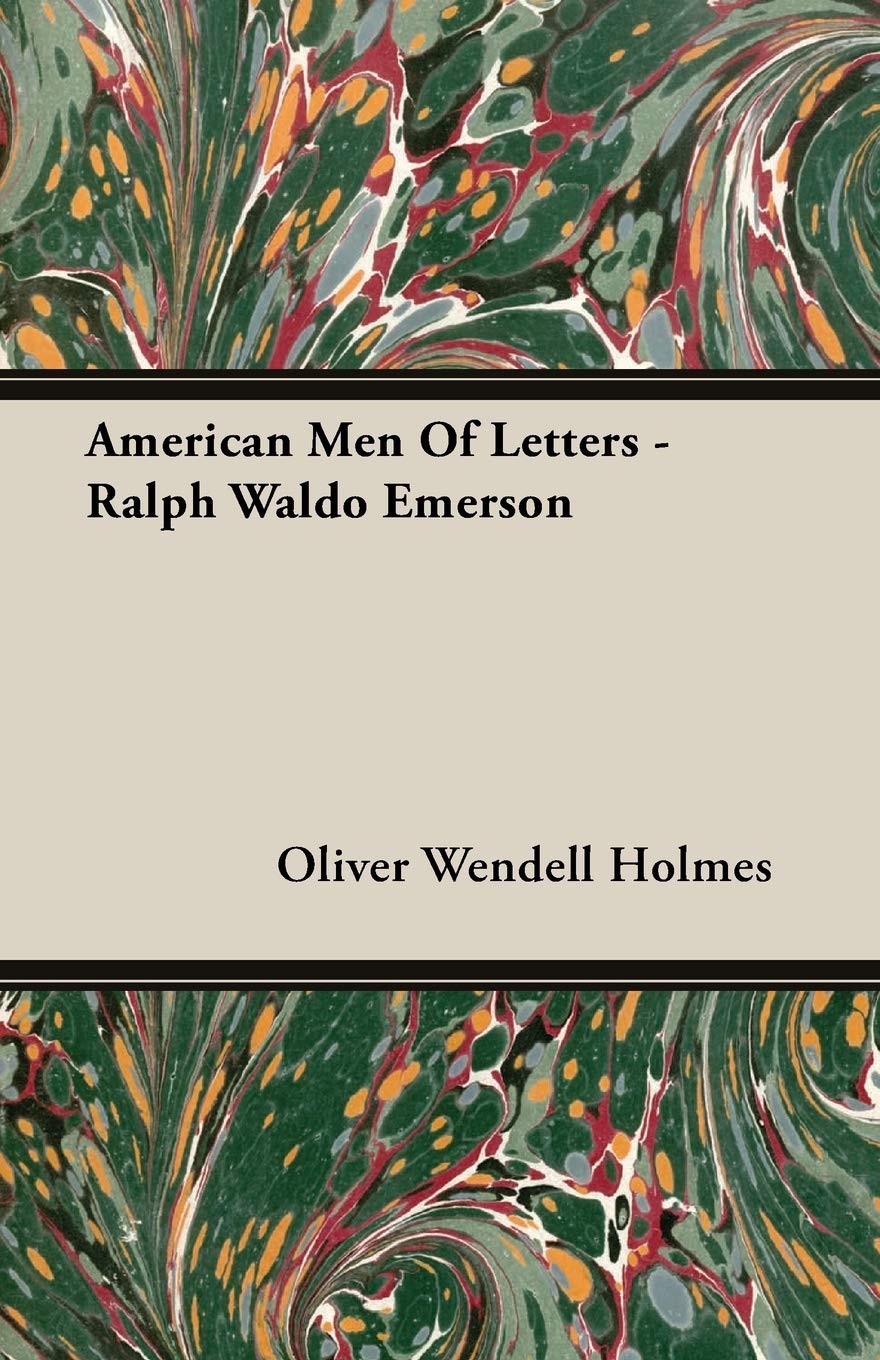
American Men of Letters is the series title of a multi volume biographical series published in the late nineteenth century, with each volume in the series being a book length biography of a major American literary figure written by another established American writer. Oliver Wendell Holmes Sr. contributed at least one biography to the series, possibly his Ralph Waldo Emerson volume from 1885 or his John Lothrop Motley volume from 1879, both of which were widely read and respected in their day.
The American Men of Letters series was one of the major literary publishing projects of the late nineteenth century in the United States, with the series functioning both as a kind of canonical statement about which American writers mattered most and as a series of accessible biographies aimed at a general literate readership. The series included volumes on writers including Hawthorne, Longfellow, Emerson, Thoreau, Cooper, Holmes himself by Charles Eliot Norton in a later volume, and many other figures from the wider nineteenth century American literary scene.
Holmes was particularly well positioned to contribute to the series. He had been part of the Boston circle that included most of the major figures the series was covering, his personal acquaintance with these writers gave him insider knowledge that more academic biographers could not bring, and his own established reputation as a writer and lecturer gave him the kind of authority that the series required from its contributors. His biographical writing showed the same warm conversational voice that distinguished his Breakfast Table books and his medical writings.
The biographical method Holmes used was rooted in personal recollection alongside more conventional documentary research. He drew on his own letters and conversations with the subjects, on his memory of their public appearances and their wider cultural roles, and on the documentary record that the various subjects’ archives provided. The result is biography that has both the intimacy of personal memoir and the substantive engagement of academic biography, with the wider Boston intellectual culture that produced both Holmes and his subjects being one of the implicit subjects of every volume.
For readers interested in nineteenth century American literary culture, in the wider catalogue of Oliver Wendell Holmes Sr. beyond his most famous Breakfast Table books and his medical writings, or in the biographical writing tradition of the period, the American Men of Letters volumes are worth knowing. The series remains one of the more substantial collective projects in nineteenth century American literary publishing and shows how the major writers of the period thought about each other and about the wider cultural project they had been building.
About the Author
Oliver Wendell Holmes Sr. was a 19th-century American physician, poet, and essayist, and a leading figure among the New England writers. He is known for witty essays such as The Autocrat of the Breakfast-Table.
See all books by Oliver Wendell Holmes Sr. →