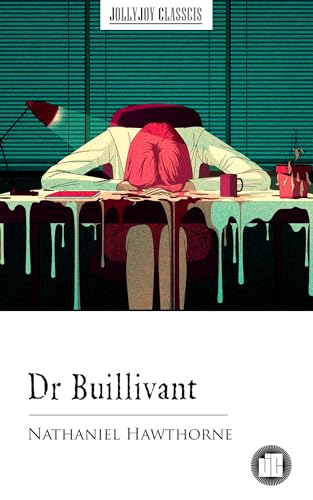
Dr Buillivant
Doctor Bullivant is a short sketch by Nathaniel Hawthorne, written in 1831 and published the same year. It is one of his very early historical pieces, written when he was still living in his mother’s house in Salem and developing the New England historical material that would later carry The Scarlet Letter and The House of the Seven Gables.
The sketch is set in colonial Massachusetts in the late seventeenth century, during the years after the witchcraft trials when the strict Puritan order was beginning to loosen and a more secular and worldly culture was beginning to assert itself. Doctor Bullivant of the title is a physician who has set up practice in Boston and who represents the new spirit. He dresses fashionably, speaks lightly of religious questions, makes jokes that the older generation finds shocking, and generally embodies the slow turn of Massachusetts away from its founding seriousness toward something closer to the worldly culture of late seventeenth century London.
Hawthorne uses the sketch to think about the long historical process by which the original Puritan vision was slowly diluted and replaced by something quite different. The sketch is essentially a small character study set against this larger transition, with Doctor Bullivant as the human face of the new century that was coming to New England. The treatment is gentle. Hawthorne is not making a simple judgement against the doctor or in favour of the older Puritans. He is recording the change with the kind of melancholy observation that runs through most of his New England historical writing.
The sketch is short and works as a single sitting read. It belongs with the other early Hawthorne historical sketches like The Gray Champion and Endicott and the Red Cross that explored particular moments in the colonial past.
About the Author
Nathaniel Hawthorne was a 19th-century American novelist and short-story writer central to the Dark Romantic movement. He is best known for The Scarlet Letter and The House of the Seven Gables, with their themes of sin, guilt, and Puritan New England.
See all books by Nathaniel Hawthorne →