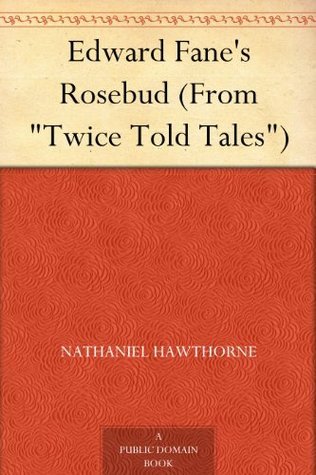
Edward Fane’s Rosebud
Edward Fane’s Rosebud is one of Nathaniel Hawthorne’s shorter pieces, originally published in his 1842 collection Twice Told Tales. The story is a brief reflective sketch in the personal essay tradition that Hawthorne worked in across many of his shorter pieces, with the central focus being the figure of an elderly nurse named Nurse Toothaker and her memories of the young man Edward Fane whose life had crossed hers in particular ways across many years.
The rosebud of the title refers to a particular emotional or symbolic moment from Edward Fane’s youth that Nurse Toothaker remembers across the long years that have followed. Hawthorne uses the framed memory structure that several of his shorter pieces employ, with the elderly woman’s recollections providing the structural framework that lets him develop the wider meditation on time, memory, and the small details of life that his reflective sketches reliably worked with.
The story is more atmospheric and reflective than narratively driven, with Hawthorne’s characteristic prose style giving the brief sketch the kind of careful weight that his shorter work often delivered. For readers coming to Hawthorne through The Scarlet Letter and The House of the Seven Gables, the shorter sketches like Edward Fane’s Rosebud show him working in a different register from the major novels.
For students of nineteenth century American literature or of Hawthorne’s wider catalogue, the story is worth knowing as one of many similar pieces that fill out the Twice Told Tales collection. The sketch is brief and well suited to a single sitting.
About the Author
Nathaniel Hawthorne was a 19th-century American novelist and short-story writer central to the Dark Romantic movement. He is best known for The Scarlet Letter and The House of the Seven Gables, with their themes of sin, guilt, and Puritan New England.
See all books by Nathaniel Hawthorne →