Landscape Geology
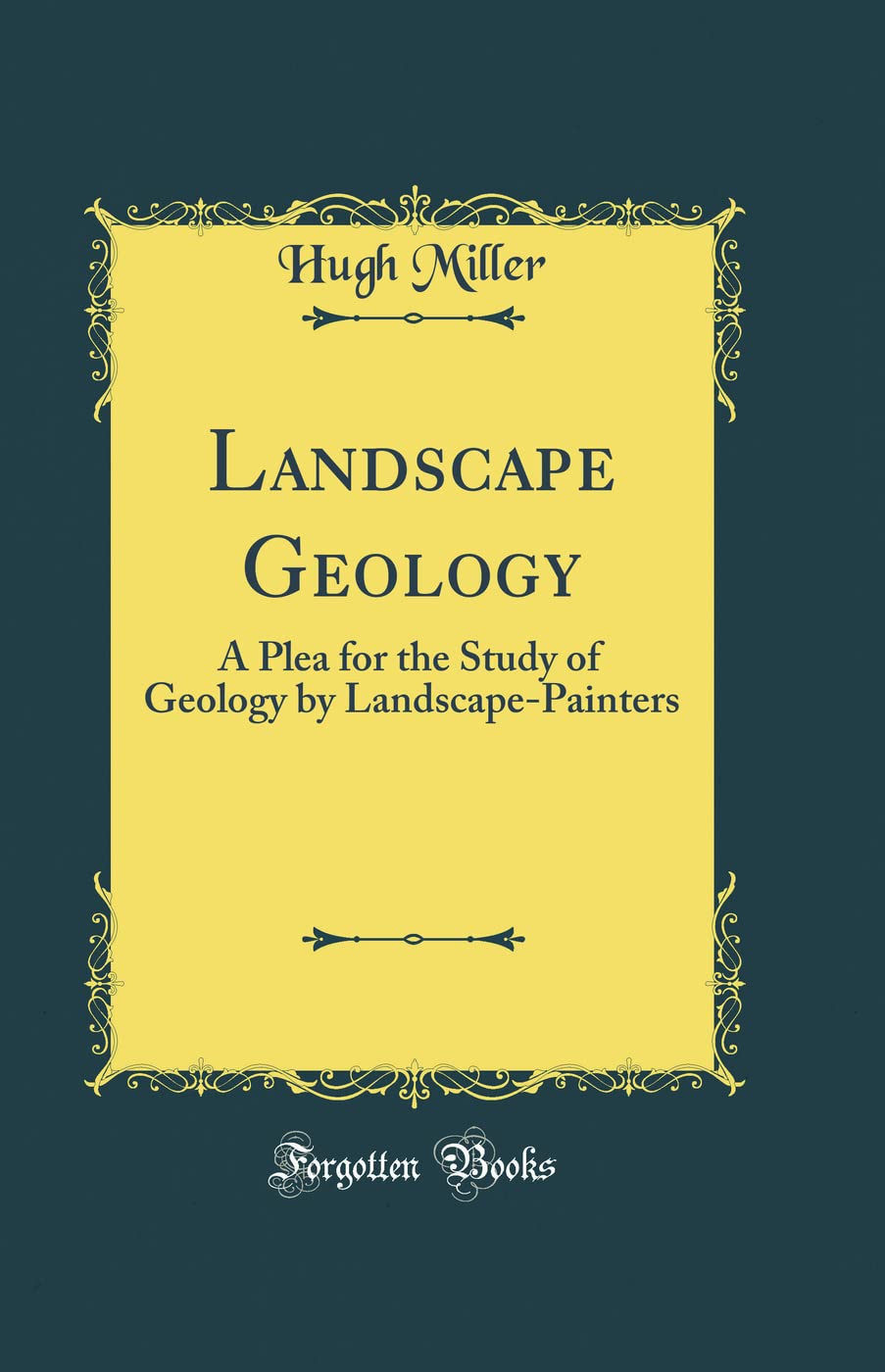
Landscape Geology is a posthumous collection of writings on geology by Hugh Miller, the Scottish stonemason, geologist, and writer who lived from 1802 to 1856 and who was one of the most important popular interpreters of geology to general readers in the mid nineteenth century. Miller’s work helped establish geology as a major subject of public interest in Victorian Britain and contributed substantially to the broader popular understanding of the deep age of the earth and the developmental history of life.
Miller had begun his working life as a stonemason in northern Scotland, where the daily work of cutting and dressing stone gave him substantial direct experience of the geological structure of the country. He developed in his spare time a serious avocational interest in geology, with particular attention to the fossil fish of the Old Red Sandstone formations that were prominent in his native region. His first major book, The Old Red Sandstone of 1841, established his reputation as a serious popular writer on geological subjects and brought him to the attention of the major professional geologists of the period.
The Landscape Geology collection brings together various shorter pieces and lectures that Miller had produced across his career on the general question of how landscape features could be understood through geological analysis. The relationship between the visible features of the British landscape and the underlying geological structure that had produced them was one of the central concerns of nineteenth century geology, and Miller was one of the most accomplished popular writers in developing this connection for general readers. His writings combine careful technical description of geological features with the kind of vivid prose that made the science accessible to readers without specialist training.
Miller’s work belongs to a substantial body of nineteenth century popular geological writing that included figures like Charles Lyell, Adam Sedgwick, and various others who were establishing the basic concepts of modern geology and presenting them to a substantial public audience. Miller was distinctive among these writers for his stonemason background and his self taught expertise, and his work had a particular appeal to working class and lower middle class readers who could see in his career evidence that serious scientific work was accessible to people from outside the traditional educated classes.
The book is mostly of interest now to historians of nineteenth century geology and of popular Victorian science writing. It pairs naturally with The Old Red Sandstone and with Miller’s other major works including Footprints of the Creator.
About the Author
Download free books by Hugh Miller on BDeBooks. Read Hugh Miller’s works online or download as PDF/EPUB — part of our growing free eBook collection.
See all books by Hugh Miller →