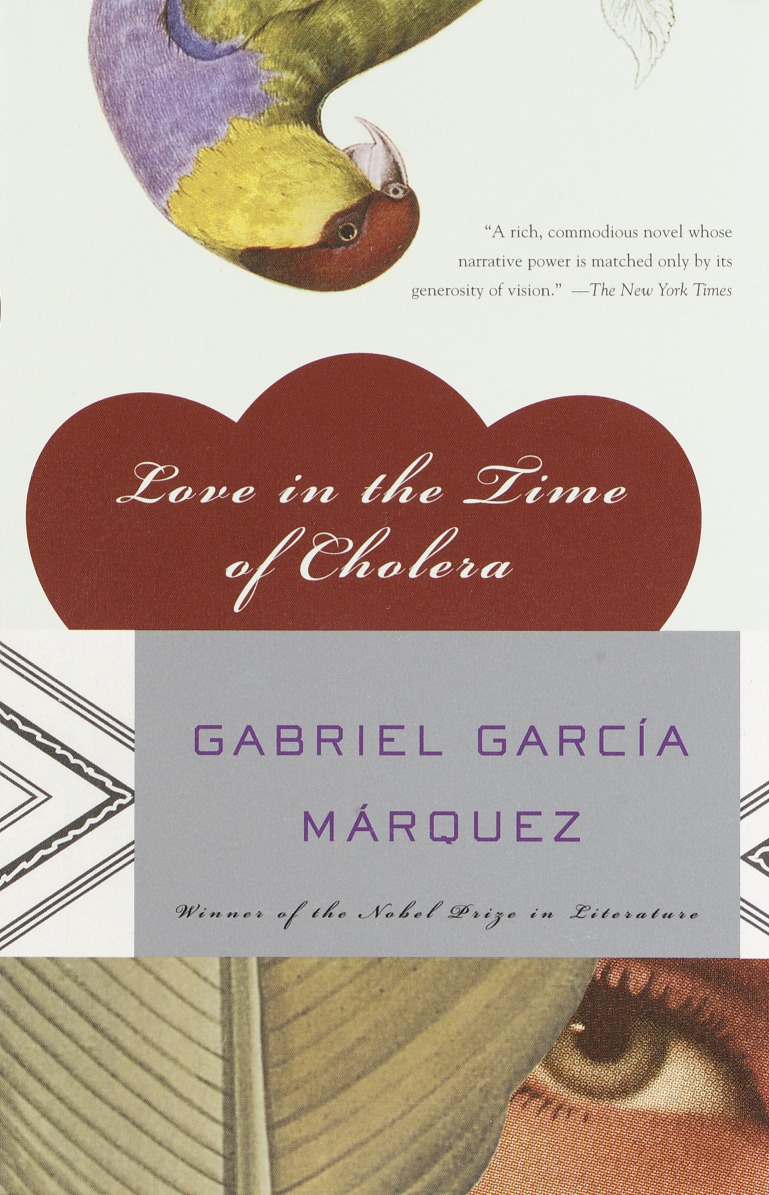
Love in the Time of Cholera
Gabriel Garcia Marquez
Love in the Time of Cholera is the novel that proves Gabriel Garcia Marquez could do something completely different from One Hundred Years of Solitude and still produce a masterpiece. Published in Spanish in 1985 and translated into English a few years later, the book follows Florentino Ariza and Fermina Daza across more than fifty years of waiting, marrying other people, and never quite forgetting each other. The setting is an unnamed Caribbean port city based loosely on Cartagena, Colombia, where Marquez lived for years.
The plot is almost impossibly patient. Florentino falls in love with Fermina when they are both teenagers. She accepts his letters, then changes her mind and marries Doctor Juvenal Urbino, a respected physician. Florentino spends the next half century in heartbreak, working his way up at the river company, having more than six hundred love affairs, and waiting. Marquez tracks all of this with a kind of solemn humor that keeps the reader from ever taking the lovesick young man too seriously, even as the years pile up.
What makes the book remarkable is how Marquez treats old age. The final third of the novel is unusual in literary fiction because it takes seriously the idea that romance is not just for the young. The closing scenes on the riverboat have a strange, hard won beauty to them that few writers can pull off.
The English translation by Edith Grossman is excellent and is the version most readers will encounter. Cholera the disease runs through the book as a metaphor and as a literal threat, but the title’s bittersweet pun on lovesickness is what carries the weight. For anyone who wants to read past the magical realism Marquez is most famous for, this is the place to go.