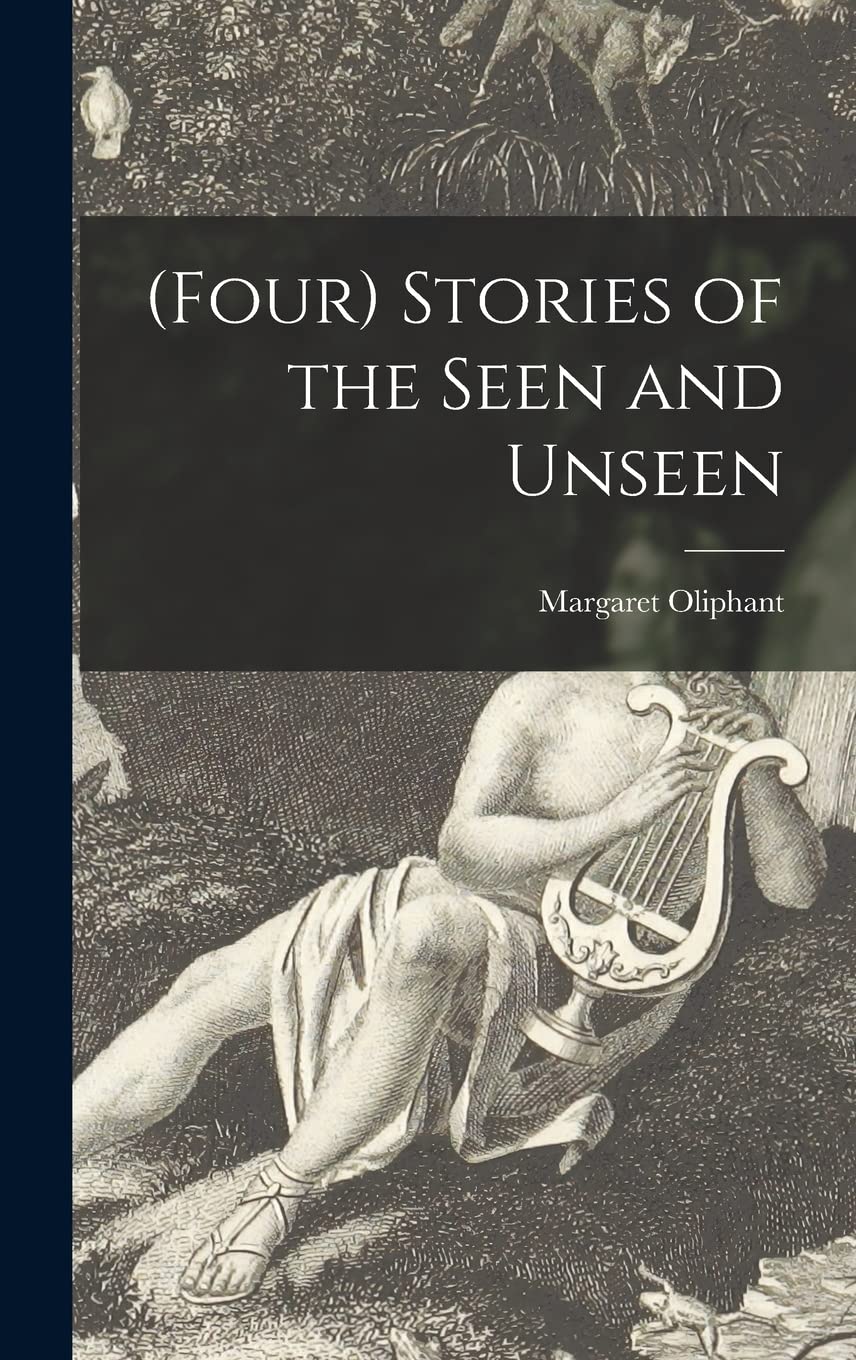
Stories of the Seen and Unseen
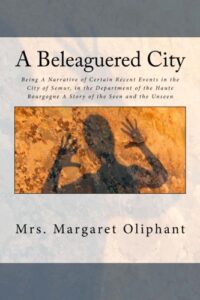
Stories of the Seen and Unseen is a collection of supernatural tales by the Scottish novelist Margaret Oliphant, published in 1889. Oliphant was one of the most prolific and respected writers of the Victorian era, with a working career that produced more than ninety novels and hundreds of articles, all written under the financial pressure of supporting her own children and several extended family members after her husband’s early death. Her ghost stories, of which this volume collects several, were a small but distinctive part of her output and are now considered some of the strongest examples of the genre from her era.
The stories in this collection share a particular tonal quality that distinguishes Oliphant’s supernatural work from the more sensational ghost stories of writers like Sheridan Le Fanu or M.R. James. Oliphant’s ghosts are not jump scares. They appear because there is moral or emotional business that the living and the dead have left unfinished, and the story is usually less about the haunting itself than about the human characters working through what the haunting reveals. The atmosphere is Scottish, often rural, with old houses and elderly servants and the kind of long sad histories that families in such places carry.
The Open Door is the most famous of these stories and has been anthologized many times in collections of Victorian ghost fiction. A father is called home to find his son terrified by a voice in the ruined gardener’s house on their estate, a voice that begs to be let in. The story unfolds with the patience and the careful psychological observation that Oliphant brought to her secular novels. The other stories in the volume work similar territory.
For readers who enjoy classic Victorian ghost fiction, or who want to read beyond the canonical names of the genre, Margaret Oliphant is well worth knowing.
About the Author
Download free books by Margaret Oliphant on BDeBooks. Read Margaret Oliphant’s works online or download as PDF/EPUB · part of our growing free eBook collection.
See all books by Margaret Oliphant →