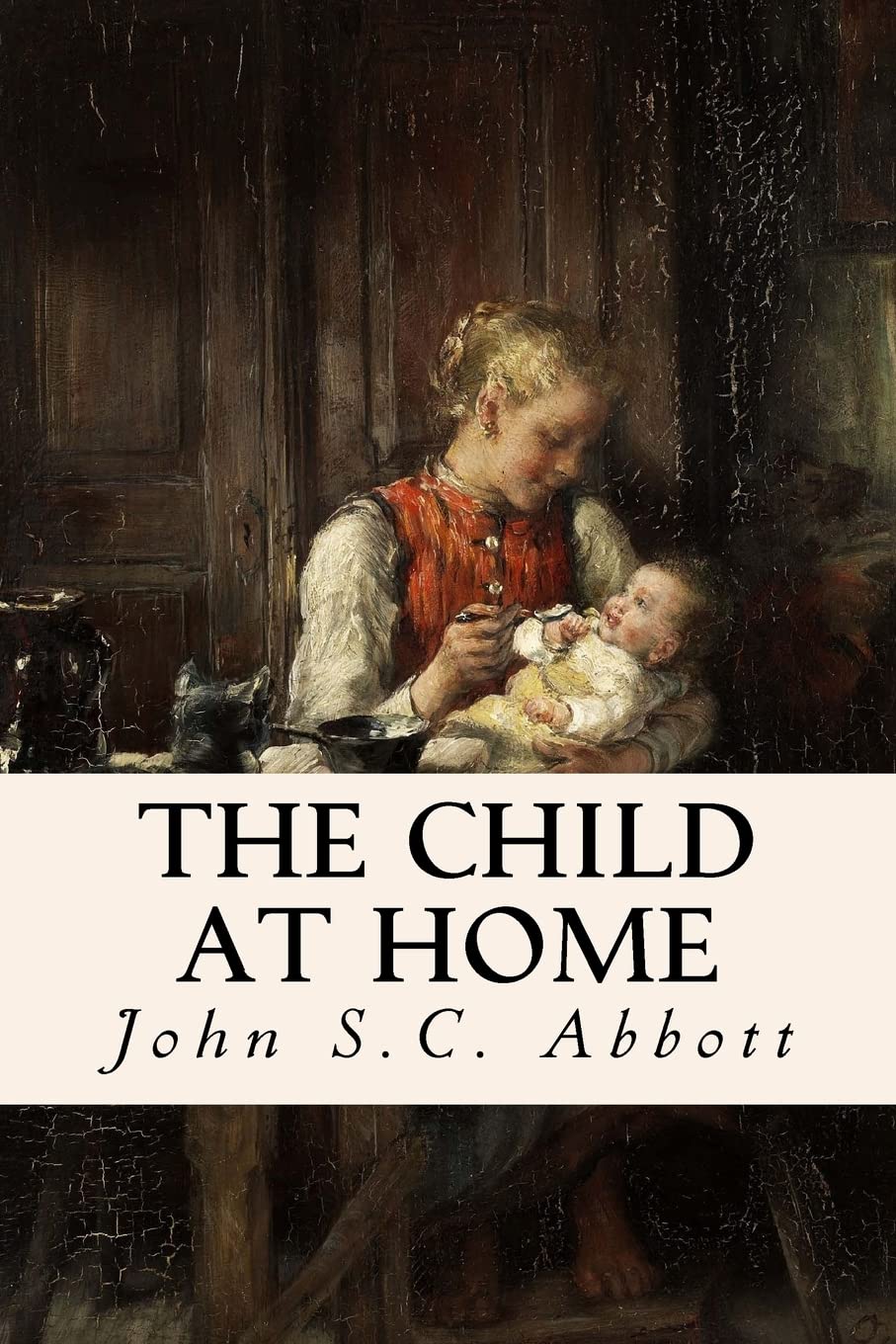
The Child at Home
The Child at Home is a book by John Stevens Cabot Abbott, the American Congregational minister and writer who lived from 1805 to 1877 and who was one of the most prolific American writers of popular history, biography, and religious literature during the middle decades of the nineteenth century. The book was first published in 1833 and was widely reprinted across the following decades, becoming one of the standard American Protestant works on the religious and moral education of children.
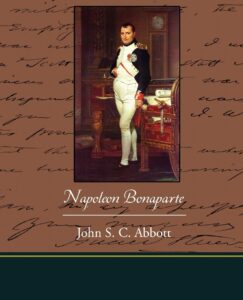
Abbott produced an enormous body of writing across his long career. His various histories of European royalty, his life of Napoleon Bonaparte, his biographies of various American historical figures, and his substantial work on the American Civil War all reached substantial popular audiences. His brother Jacob Abbott was even more prolific, producing the Rollo books and various other children’s series that essentially dominated nineteenth century American children’s didactic literature, and the two brothers together represent one of the substantial American family publishing dynasties of the nineteenth century.
The Child at Home addresses the religious and moral formation of children in the substantial early nineteenth century American Protestant household. The book is essentially a manual of practical Christian child rearing aimed at parents and at older children themselves. It covers the various questions that the substantial American evangelical Protestant culture of the period understood as central to the religious and moral education of children, including the development of conscience, the establishment of proper religious habits, the importance of obedience and respect for parents, the handling of various typical childhood faults including lying, anger, and selfishness, and the broader development of the kind of Christian character that the period understood as the central goal of childhood.
The book reflects the assumptions of early nineteenth century American evangelical Protestant culture. Modern readers will find various aspects of the cultural and religious assumptions substantially dated, particularly around discipline practices, around gender expectations, and around the substantial religious anxiety about childhood salvation that the period’s Calvinist influenced evangelical culture brought to questions of child rearing. The book was nevertheless one of the substantial documents of the period and was widely read in American Protestant households across several generations after its first publication.
The book is of interest now to historians of American Protestant religious and family life, of early nineteenth century American child rearing practices, and of the substantial American religious educational literature tradition. It pairs naturally with Abbott’s other works on family and religious subjects.
About the Author
Download free books by John Stevens Cabot Abbott on BDeBooks. Read John Stevens Cabot Abbott’s works online or download as PDF/EPUB · part of our growing free eBook collection.
See all books by John Stevens Cabot Abbott →