The Strength of Gideon and Other Stories
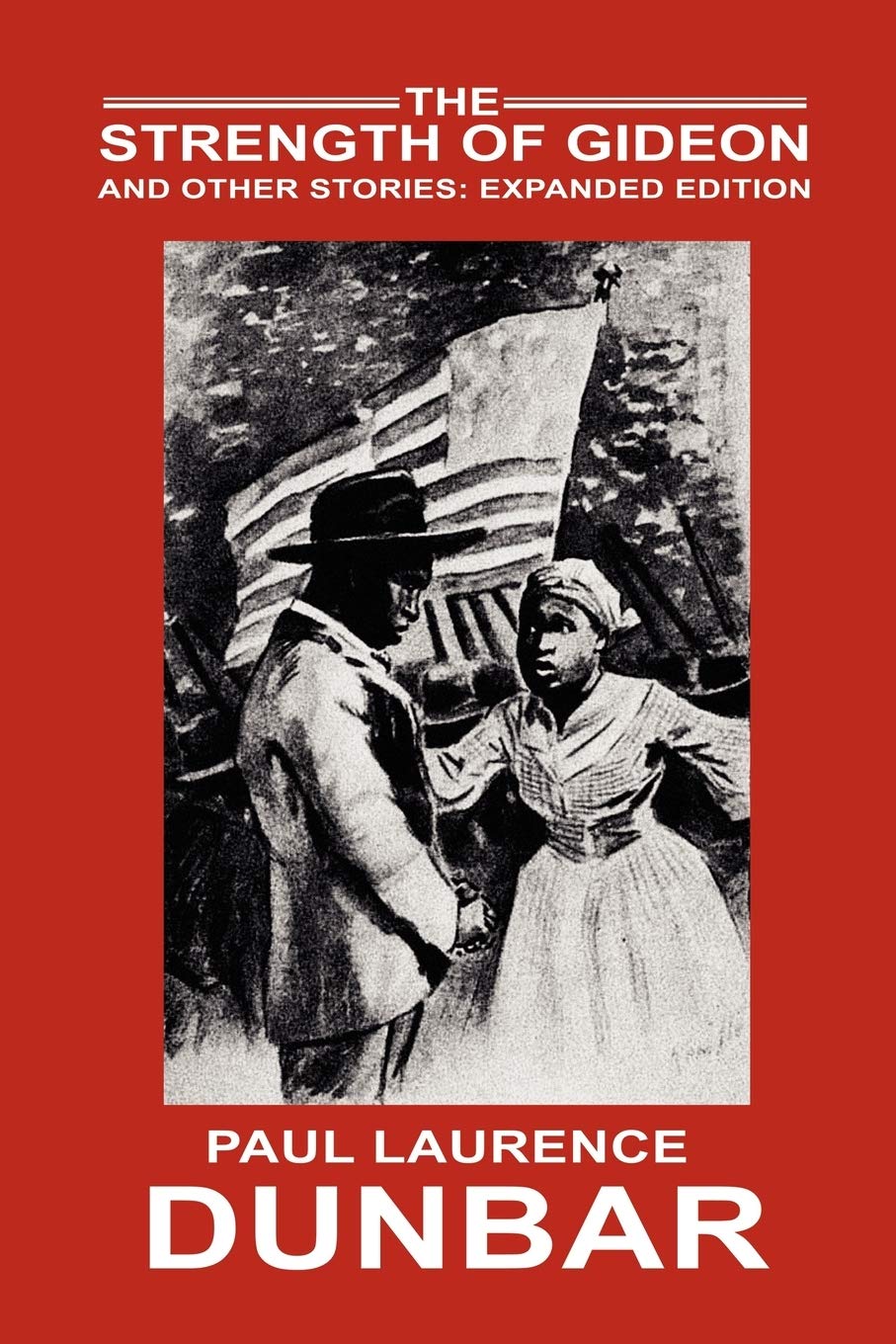
The Strength of Gideon and Other Stories is a collection of short fiction by Paul Laurence Dunbar, published in 1900. It was his second short story collection, following Folks from Dixie of 1898, and represents his fiction at mid-career before the later collections that appeared in the few years before his death in 1906.
The title story takes its name from the Biblical figure of Gideon, the Old Testament judge who led the Israelites in resistance against the Midianites with a small disciplined force when much larger armies would have been the conventional military choice. Dunbar uses the Gideon reference to frame a story about a particular African American protagonist whose strength lies in moral and spiritual resources rather than in numerical or political power.
The other stories in the collection range across various subjects from Dunbar’s observation of African American life across the post-Reconstruction period. Some are set on Southern plantations during or shortly after slavery. Others are set in northern cities where the Great Migration was already beginning to move African American families from the rural South into urban industrial communities. Several deal with the particular pressures on African American men trying to find work, build families, and maintain dignity in the difficult economic conditions of the late 1890s.
Dunbar’s short fiction is more uneven than his poetry but contains some of his strongest individual pieces. He had been producing fiction alongside poetry since the early 1890s and his stories had appeared widely in American magazines including Lippincott’s, the Atlantic Monthly, and various others. The collection format allowed him to gather pieces that had appeared separately into a single volume that gave readers fuller access to his fiction.
The critical reception of Dunbar’s fiction has shifted across the twentieth century. The dialect stories in particular have been controversial in African American literary criticism because they draw on the minstrel show speech conventions that white American culture had developed as ways of caricaturing African American voices. Some of Dunbar’s dialect stories work against the caricature and use the form for serious purposes. Others sit more uneasily with the conventions they are working in.
The collection runs about three hundred pages. It pairs with Folks from Dixie, with The Heart of Happy Hollow, and with the Dunbar novels.
About the Author
Download free books by Paul Laurence Dunbar on BDeBooks. Read Paul Laurence Dunbar’s works online or download as PDF/EPUB · part of our growing free eBook collection.
See all books by Paul Laurence Dunbar →



Listen to The Strength of Gideon and Other Stories Audiobook Free
Listen to The Strength of Gideon and Other Stories by Paul Laurence Dunbar free online. The full audiobook (6 hr 30 min, 20 chapters, read by KirksVoice) streams free on this page.
The Strength of Gideon and Other Stories (1900) is a public domain work.
| # | Chapter | Length | |
|---|---|---|---|
| 1 | The Strength Of Gideon | 28:38 | |
| 2 | Mammy Peggy's Pride | 29:31 | |
| 3 | Viney's Free Papers | 23:38 | |
| 4 | The Fruitful Sleeping Of The Rev. Elisha Edwards | 16:39 | |
| 5 | The Ingrate | 19:43 | |
| 6 | The Case Of 'CA'LINE' | 7:14 | |
| 7 | The Finish Of Patsy Barnes | 16:28 | |
| 8 | One Man's Fortunes | 38:33 | |
| 9 | Jim's Probation | 13:39 | |
| 10 | Uncle Simon's Sundays Out | 32:17 | |
| 11 | Mr. Cornelius Johnson, Officer-Seeker | 24:39 | |
| 12 | An Old-Time Christmas | 9:17 | |
| 13 | A Mess Of Pottage | 15:56 | |
| 14 | The Trustfulness Of Polly | 10:58 | |
| 15 | The Tragedy At Three Forks | 17:59 | |
| 16 | The Finding Of Zach | 9:53 | |
| 17 | Johnsonham, Junior | 9:49 | |
| 18 | The Faith Cure Man | 10:40 | |
| 19 | A Council Of State | 26:24 | |
| 20 | Silas Jackson | 28:27 |
Prefer reading? Read The Strength of Gideon and Other Stories online free or download the PDF and EPUB above.