

The Subtle Art of Not Giving a F*ck
Mark Manson

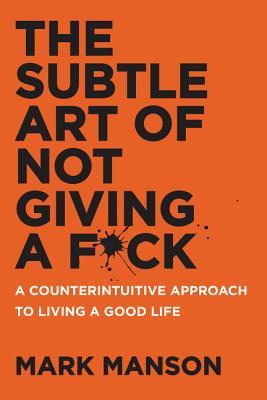
The Subtle Art of Not Giving a F is Mark Manson’s 2016 self help book, the title of which became one of the most ubiquitous in the genre for several years and turned the former relationship blogger into a major name in popular psychology. The book sold tens of millions of copies, was translated into more than thirty languages, and helped define a new register for self help, one that explicitly rejects the relentless positivity of an earlier generation of motivational writing in favor of what Manson called counterintuitive truths.
The central argument is simple. Most self help books promise that you can have everything if you just want it badly enough. Manson argues the opposite. You only have a finite amount of attention and energy to give to anything in your life, and the actual question is not how to give a damn about more things but how to be more selective about what you give a damn about. Pain is not the enemy. Suffering is unavoidable. The choice is what you suffer for. The values you choose to organize your life around will determine what your suffering is in service of, and choosing those values carefully is more important than the surface goals most people obsess over.
Manson writes in a deliberately profane, conversational style that some readers find refreshing and others find calculated. The book draws on Stoic philosophy, on Buddhism, on the work of Viktor Frankl and other writers in the meaning making tradition, and translates their ideas into something accessible for a contemporary general audience. The style is divisive but the underlying ideas are mostly serious.
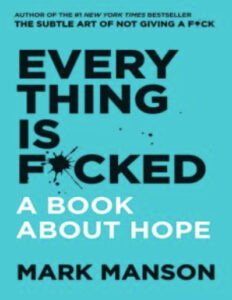
For readers who have been turned off by traditional self help, The Subtle Art is a useful corrective. For longtime readers of the genre, it is a sharper take on familiar material. Manson has written several follow up books since, including Everything Is F, which extends the argument in interesting directions.