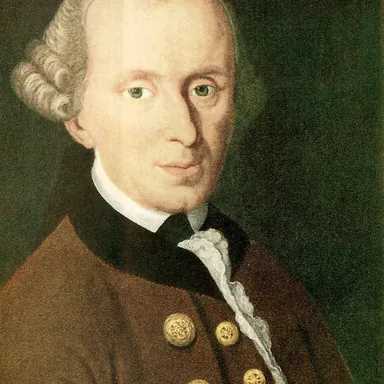
Immanuel Kant
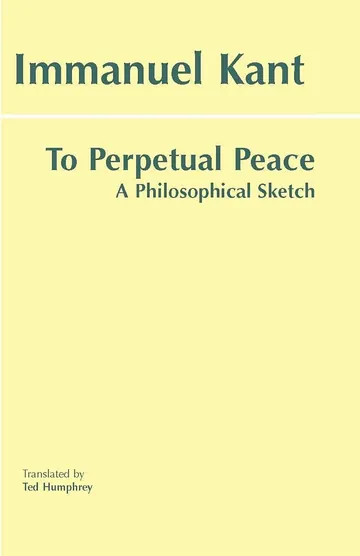
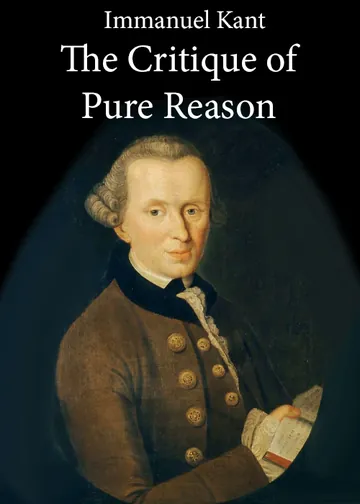
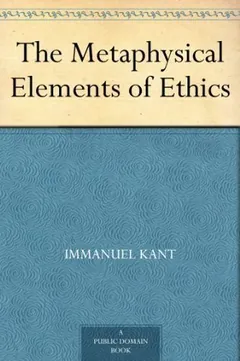
Kant spent his entire life in Königsberg, never travelled more than about a hundred miles from it, and kept a routine so regular that neighbours were said to set their clocks by his afternoon walk. He published little of consequence until he was fifty-seven, then produced the Critique of Pure Reason and reorganised European philosophy around the claim that the mind supplies the structure of experience rather than passively receiving it. The Critique of Practical Reason and the Groundwork give the categorical imperative: act only on a rule you could will everyone to follow. Perpetual Peace sketched a federation of republics and is an ancestor of the United Nations. He also wrote a racial hierarchy into his lectures on anthropology and geography, ranking Europeans above everyone else, which scholars long treated as incidental and now generally do not. He died in 1804.
- Books
- 6

 Audio
Audio
 Audio
Audio
 Audio
Audio
 Audio
Audio
 Audio
Audio
 Audio
Audio
 Audio
Audio
 Audio
Audio
 Audio
Audio