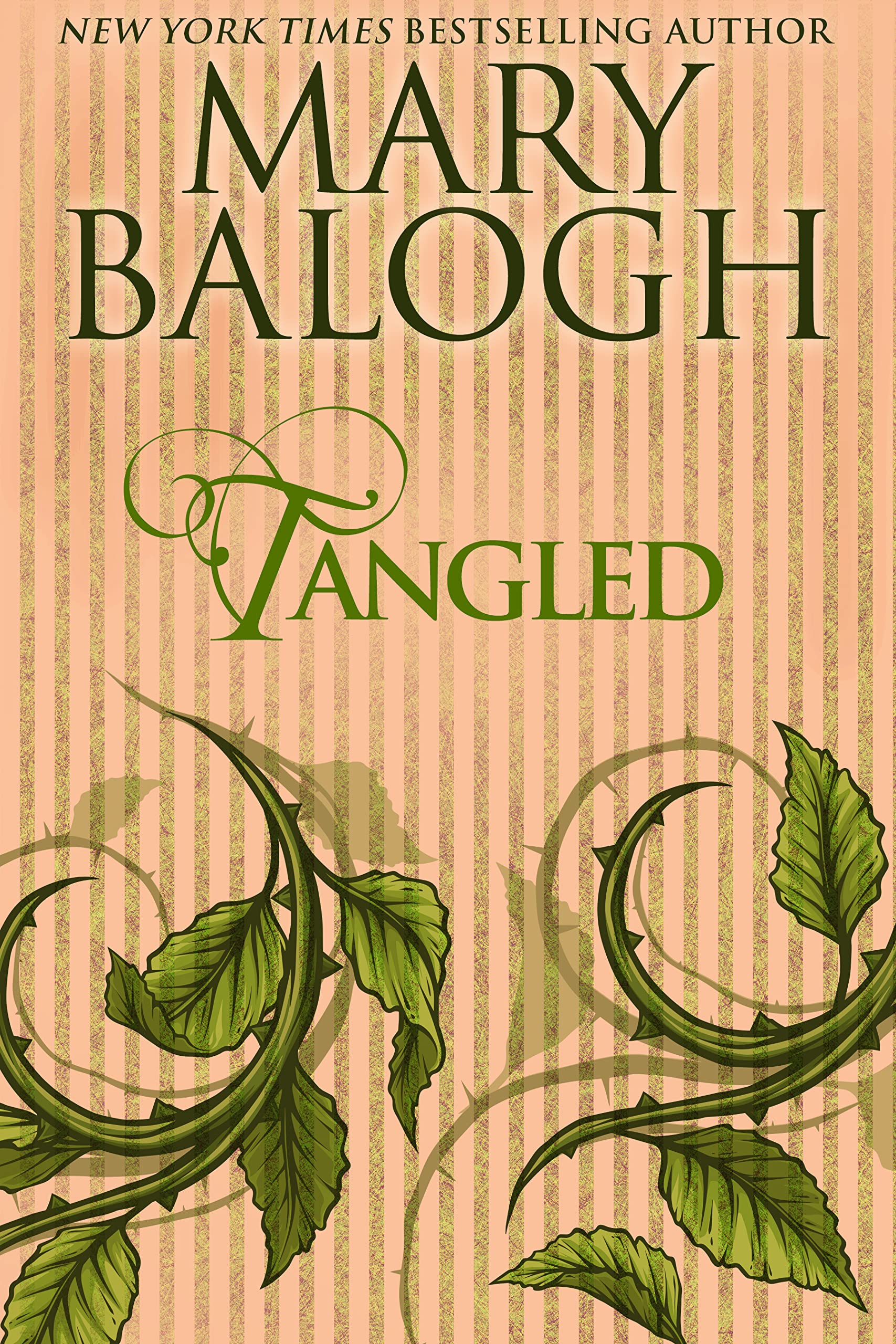
Tangled
Tangled is one of Mary Balogh’s standalone Regency historical romances, set in the years following the Napoleonic Wars. The novel centers on the complicated emotional triangle between Rebecca Cardwell, her late husband Julian, and Julian’s brother David. Rebecca had been engaged to David Tavistock years earlier, but a misunderstanding had led her to break off the engagement and marry Julian instead. Julian died in the war, and David has returned to England to find his brother’s widow now alone and his own old feelings refusing to stay buried.
Mary Balogh writes Regency romance with the kind of psychological care that has made her one of the most respected names in the genre across nearly five decades of work. The Tangled triangle is more morally complicated than the standard second chance romance setup, with Rebecca having to come to terms with the marriage to Julian that was both real and shaped by the original wound of her broken engagement to David, and David having to figure out whether the woman he is meeting again as his brother’s widow is the same Rebecca he loved or someone fundamentally different.
What makes Balogh distinctive is the patience of her plotting. The pleasure of her novels is in the careful psychological work she does with her characters, in the long conversations between two people who are slowly learning who the other actually is now, and in the historical detail that grounds her settings without becoming the point of the book. The pacing is slower than the more action driven entries in Regency romance, but the cumulative emotional weight by the end is correspondingly greater.
The Napoleonic War context gives Tangled additional weight. Julian’s death in the war is not just convenient backstory but a real loss that shapes the people Rebecca and David have become. Balogh handles the wartime material with the same care she brings to the romance.
For longtime Mary Balogh fans, Tangled is one of the more emotionally complex of her standalones. For new readers, it is a strong example of what serious historical romance can do with familiar materials. Readers who enjoy Lisa Kleypas’s emotionally weighted Regencies or Mary Jo Putney’s classic work will find similar pleasure here.
About the Author
Download free books by Mary Balogh on BDeBooks. Read Mary Balogh’s works online or download as PDF/EPUB · part of our growing free eBook collection.
See all books by Mary Balogh →