The Complete Little Women Series
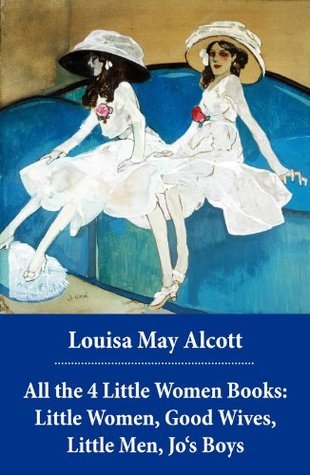
This collection brings together all four of Louisa May Alcott’s novels following the March family, beginning with Little Women in 1868 and continuing through Good Wives, Little Men, and Jo’s Boys. Together the four books make up one of the foundational sequences in American children’s literature and one of the most influential works of nineteenth century domestic fiction in the English language.
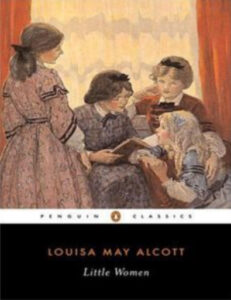
Little Women, set during and just after the American Civil War, follows the four March sisters in Concord, Massachusetts, as their father serves as a Union Army chaplain and their mother holds the family together at home. Meg, the oldest, is romantic and longs for fine things she cannot afford. Jo, the second, is fiercely independent and dreams of becoming a writer. Beth, the third, is shy and devoted to her piano. Amy, the youngest, is artistic and ambitious in her own way. Their friendship with the wealthy boy next door, Theodore Laurie Laurence, provides the catalyst for many of the novel’s romantic complications. Good Wives, originally published as the second half of Little Women, follows the sisters into early adulthood and includes the famous events that have made readers argue about Jo’s choices for more than a century.
Little Men picks up years later at Plumfield, the school Jo and her husband Professor Bhaer have established in the country, and follows a wider cast of children who come into the Bhaer household. Jo’s Boys, the final novel, brings the original cast into middle age and lets Alcott deliver one final accounting of what has happened to everyone she introduced as children in the first book.
Louisa May Alcott wrote with a moral seriousness and an emotional honesty that have kept the books in print for a hundred and fifty years. The family she imagined, with its love and its frustrations and its small daily heroism, has shaped how generations of readers have thought about American girlhood. For families reading the books together, or for adult readers returning to childhood favorites, this complete collection is essential.
About the Author
Download free books by Louisa May Alcott on BDeBooks. Read Louisa May Alcott’s works online or download as PDF/EPUB — part of our growing free eBook collection.
See all books by Louisa May Alcott →