Guillaume Apollinaire
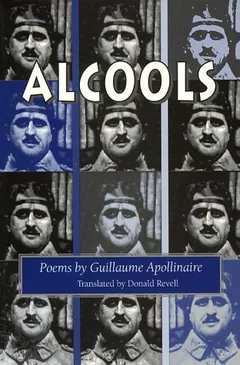
Guillaume Apollinaire helped reshape French poetry at the threshold of modernism, bringing city streets, memory, travel, visual art, and fractured love into an adventurous lyrical voice. Alcools, issued by Mercure de France in 1913, gathers poems written largely between 1898 and 1912. The collection opens with “Zone,” includes “Le Pont Mirabeau” and the Rhénanes sequence, and removes conventional punctuation across its pages. Apollinaire had first planned a narrower volume called Le Vent du Rhin, but expanded the project and changed its title while correcting proofs. A portrait by Pablo Picasso appeared as the original frontispiece, reflecting the poet’s close ties to the Parisian avant-garde. Alcools moves between medieval legend and modern machines, between the Rhine landscape and metropolitan Paris, without arranging experience into a single chronology. That mobility became central to Apollinaire’s influence. Later associations with Cubism and Surrealism can obscure how carefully the book joins formal experiment to autobiography, song, place, and recurring images of departure.
- Books
- 1