
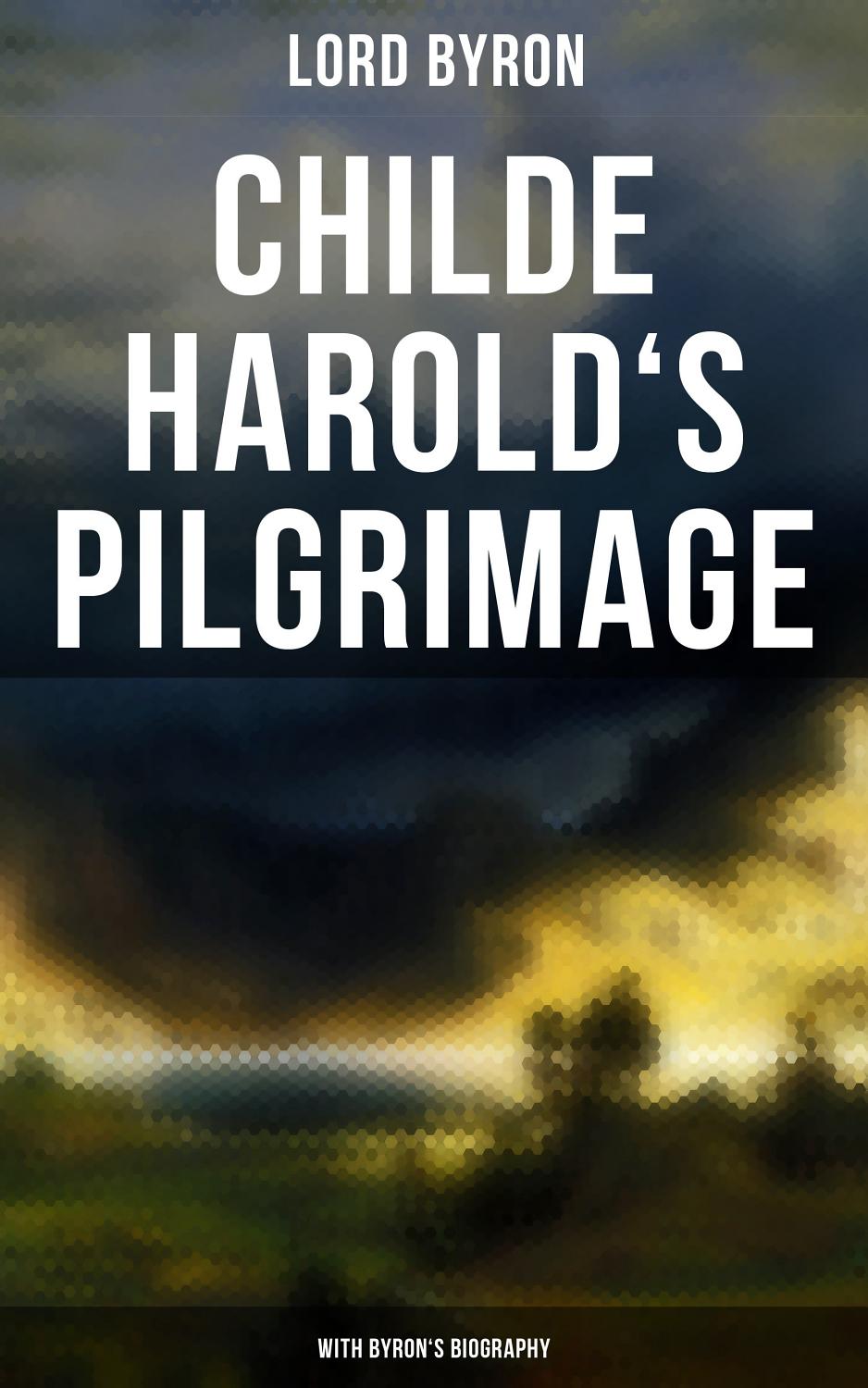
Childe Harold's Pilgrimage
- Downloads
- Under 100
- First published
- 1812
- Pages
- 209
Listen to Childe Harold's Pilgrimage Audiobook Free
-
Dedication
3:04 -
Canto the First
49:50 -
Canto the Second
50:38 -
Canto the Third
60:28 -
Canto the Fourth Part 1
48:04 -
Canto the Fourth Part 2
44:11
This audiobook recording is in the public domain.
The audio edition streams in the page. There is no audio file to download.
About this book
Childe Harold's Pilgrimage is the long narrative poem by George Gordon Byron, sixth Baron Byron, that established him as the most famous English poet of his generation almost overnight when the first two cantos appeared in March 1812. Byron is reported to have said that he woke up one morning and found himself famous. The Pilgrimage was the work that made him so.
The poem is written in Spenserian stanzas and follows the wanderings of the young protagonist Childe Harold across various locations in Europe and the Mediterranean. The first two cantos of 1812 cover Portugal, Spain, the Ionian islands, Albania, and Greece. The third canto of 1816, written after Byron's separation from his wife and his departure from England never to return, covers Waterloo and the Rhine valley and Switzerland. The fourth canto of 1818 covers Italy.
The Childe Harold figure is loosely based on Byron himself, with the distance between author and protagonist varying across the poem. The first two cantos maintain more separation. The later cantos increasingly merge the two figures, until by the fourth canto Childe Harold has essentially disappeared and Byron is speaking directly. The autobiographical disguise had become unnecessary as the poem developed.
The poem combines travel writing with personal meditation, political commentary, and the kind of romantic philosophical reflection that defined Byron's poetic mode. The Waterloo passage in Canto III is one of the most famous passages in nineteenth-century English poetry. The Italian sections of Canto IV include the famous treatments of Venice, Rome, and the Coliseum that helped establish the Italian itinerary as the standard cultural pilgrimage for educated nineteenth-century English and American travelers.
The poem was enormously influential across nineteenth-century European literature. The figure of the brooding aristocratic wanderer with the dark past became known as the Byronic hero and shaped substantial later literature from Pushkin's Eugene Onegin through Lermontov's Pechorin and the various Romantic protagonists of the European literary tradition. The political and philosophical positions of the poem influenced the broader European Romantic movement.
The full poem runs about three hundred pages in standard editions. For readers of English Romantic poetry, Childe Harold is essential. It pairs with Don Juan, with the shorter Byron poems, and with the broader English Romantic poetry tradition.
Contents
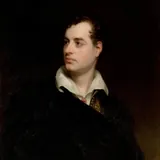
About the author

More from this genre
See all
Books like this one
Discussion
No comments yet. Share a thought, a question or a favourite passage.
Copyright concern? Read our DMCA policy
Read or download
- PDF 672 KB
- EPUB 560 KB
- MOBI 704 KB
Downloads start right away. How to open EPUB on your phone
Book facts
- Author
- Lord Byron
- First published
- 1812
- Reading time
- About 3 hours
- Pages
- 209
- Language
- English
- Genre
- Poetry
- Formats
- PDF, EPUB, MOBI, Read online, Audiobook
- Audio read by
- Peter Tucker