John Splendid
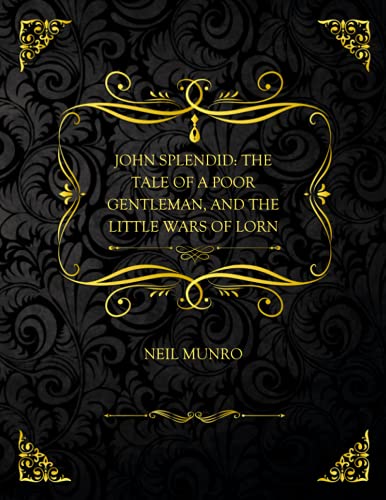
John Splendid is Neil Munro’s 1898 historical novel, set in the Scottish Highlands during the seventeenth century Covenanter period and following the title character through the violent campaigns and complicated loyalties of the era. The novel is one of Munro’s most ambitious serious works, drawing on his deep knowledge of Highland Scottish history and culture to render a period that had shaped the Highland traditions of his own time in ways that nineteenth century Scotland was still working through.
The Covenanter period, the mid seventeenth century when Scottish Presbyterian forces fought against royalist and Episcopal armies in a series of bloody campaigns that overlapped with the wider English Civil War, was one of the most divisive episodes in Scottish history. The Highland clans had complicated relationships with both the Covenanters and the various royalist forces, with clan loyalties, religious commitments, and personal ambitions all driving the choices that the various Highland leaders made during the wars. John Splendid, the central character of Munro’s novel, navigates this complicated political and military landscape with the kind of charm, courage, and moral ambiguity that the era required.
The novel’s plot involves the Marquess of Argyll’s campaigns in the western Highlands, with the kind of military and political maneuvering that the seventeenth century Highland warfare required. Munro renders the campaigns with attention to the specific tactical realities, the geography of the Highland landscape, and the cultural traditions of clan warfare that the period was working with. The wider novel is interested in what the Covenanter wars did to the Highland communities that fought through them, with the kind of careful attention to the human costs of the political and religious conflicts that Munro’s serious historical fiction reliably delivers.
Neil Munro had a real ear for the language and rhythms of Highland speech, and his prose captures the particular quality of seventeenth century Scottish Gaelic culture in ways that few English language writers of his era could match. The pacing is slower than modern historical fiction and the prose is in the formal late Victorian style, but readers who settle into the rhythm find a strong, atmospheric novel about a particular moment in Scottish history that Munro understood deeply. The character of John Splendid himself is one of Munro’s most distinctive creations, with his combination of military skill, personal charm, and morally complicated loyalties giving the novel its central interest.
For readers interested in Scottish historical fiction, in the literature of the Covenanter period, or in Neil Munro’s catalogue beyond the Para Handy stories, John Splendid is essential. The novel is one of Munro’s strongest serious works.
About the Author
Download free books by Neil Munro on BDeBooks. Read Neil Munro’s works online or download as PDF/EPUB · part of our growing free eBook collection.
See all books by Neil Munro →