Mercedes of Castile, Or, the Voyage to Cathay. Volume 2
This is another volume of James Fenimore Cooper’s Mercedes of Castile, the 1840 historical novel built around the first voyage of Christopher Columbus across the Atlantic in 1492. The novel was originally published in two volumes, and this entry represents one of those volumes within the larger work. Cooper drew on contemporary documentary sources for the Columbus voyage to construct a fictional narrative that follows both the actual expedition and a romantic plot involving the title character Mercedes and her young suitor Don Luis.
Mercedes is a Spanish noblewoman whose father has financed part of the Columbus expedition and whose young suitor Don Luis sails with the voyage as one of the gentlemen volunteers. The novel alternates between the expedition itself and the parallel plot involving Mercedes back in Spain. The historical material on the Columbus expedition is rendered with the period accuracy that Cooper was capable of when he was working with sources he respected. The actual journals and letters of Columbus, along with the early Spanish histories of the expedition, provide the documentary backbone that Cooper’s fictional treatment is built on.
The novel takes Columbus seriously as a historical figure, neither the heroic discoverer of the Victorian American mythology nor the morally compromised colonizer of more recent reassessments, but as a complicated nautical and political figure whose voyage opened up the wider European engagement with the Americas that would shape the next four centuries of world history. Cooper’s nautical knowledge from his own brief naval career gives the seafaring sections of the novel particular authority, with the Atlantic crossing, the first encounters with the Caribbean islands, and the long return voyage all rendered with the kind of detail that his sea novels were known for.
Cooper’s prose is in the formal style of his time, which can take some getting used to. The dialogue is long, the descriptions of the Atlantic voyage are extensive, and the political and religious context of late fifteenth century Spain that drives the wider plot would have been more familiar to nineteenth century American readers than it is today. The romance plot involving Mercedes and Don Luis runs alongside the historical material in ways that Cooper’s contemporary readers expected and that modern readers may find more or less integrated depending on their patience for the period style.
For Cooper completists, for students of nineteenth century American historical fiction, or for readers interested in how American writers of the Romantic era thought about the early European exploration of the Americas, Mercedes of Castile is worth knowing. The novel is less famous than the Leatherstocking Tales but represents some of Cooper’s more thoughtful engagement with early modern European history.
About the Author
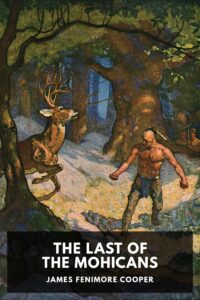
James Fenimore Cooper was an early American novelist best known for The Last of the Mohicans and the Leatherstocking Tales, frontier adventures that helped shape the myth of the American wilderness.
See all books by James Fenimore Cooper →