
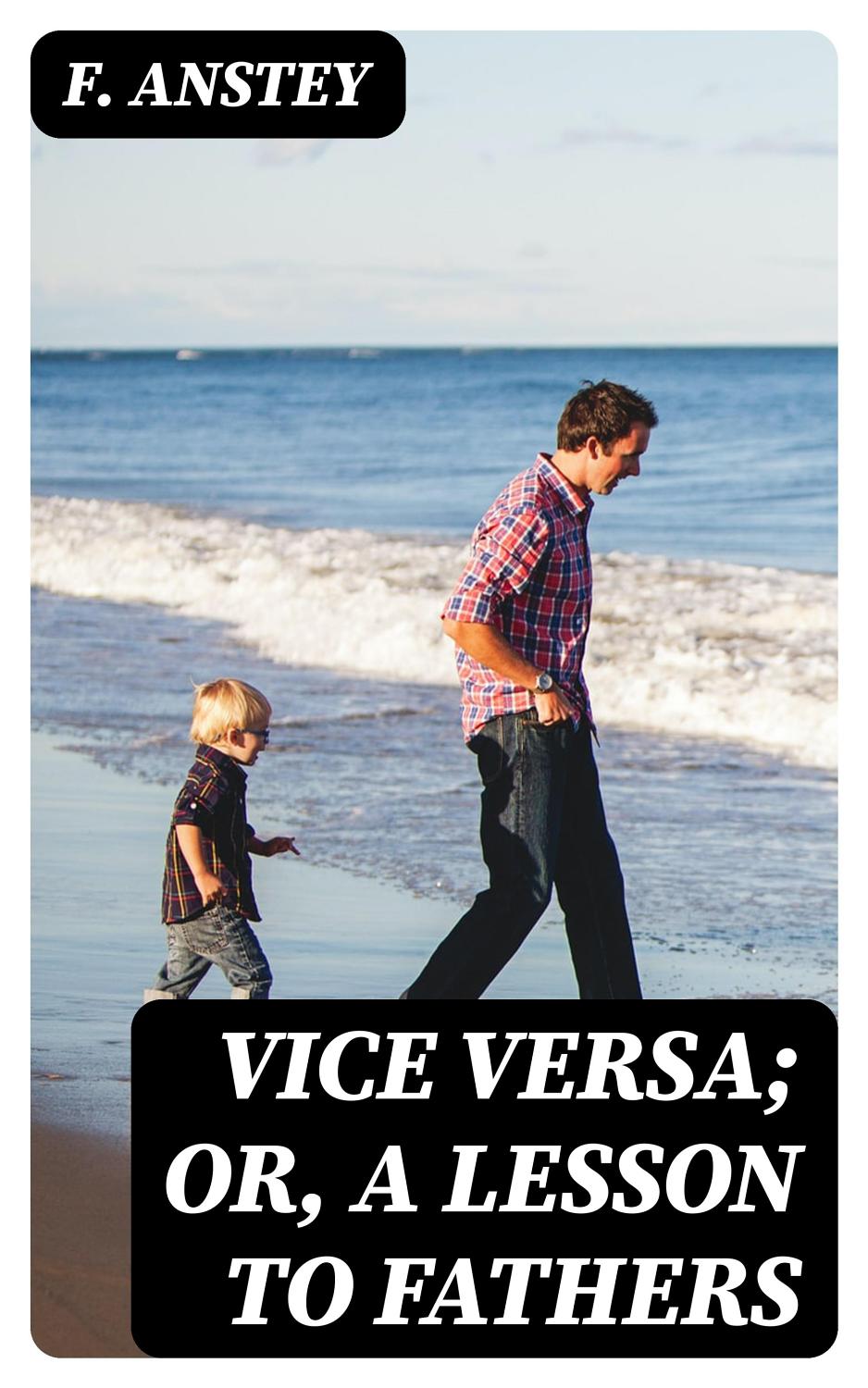
Vice Versa
- Downloads
- Under 100
- First published
- 1930
- Pages
- 201
Listen to Vice Versa Audiobook Free
-
Preface & Black Monday
31:24 -
A Grand Transformation Scene
40:47 -
In the Toils
39:50 -
A Minnow Amongst Tritons - Part 1
23:21 -
A Minnow Amongst Tritons - Part 2
32:15 -
Disgrace
47:07 -
Learning and Accomplishments
41:23 -
Cutting the Knot
37:56 -
Unbending the Bow
30:20 -
A Letter Home
30:33 -
The Complete Letter-Writer
22:43 -
A Day of Rest
31:18 -
Against Time
37:47 -
A Respite
25:20 -
An Error of Judgment
27:41 -
The Rubicon
31:06 -
Hard Pressed - Part 1
22:53 -
Hard Pressed - Part 2
22:20 -
A Perfidious Ally
38:24 -
Run to Earth
28:58 -
The Reckoning
40:01
Vice Versa (1882) is a public domain work.
The audio edition streams in the page. There is no audio file to download.
About this book
First published in 1882, this comic novel is an early and hugely influential body-swap fantasy. Paul Bultitude, a self-important City merchant, cannot fathom why his son Dick dreads returning to Dr. Grimstone's boarding school, and he loftily declares that he wishes he were a boy again. A stone brought back from India by Dick's uncle, said to grant a single wish, takes him at his word. Father and son trade bodies, and the pompous Mr. Bultitude is packed off to school in his son's place, at the mercy of the cane, the wretched food, and the petty tyrannies he had airily dismissed. Anstey plays the reversal for farce while quietly puncturing Victorian notions about childhood and paternal authority. Its influence runs straight through to Freaky Friday and the switch comedies that followed.
From the opening pages
"In England, where boys go to boarding schools, if the holidays were not long there would be no opportunity for cultivating the domestic affections."—Letter of Lord Campbell's, 1835.
On a certain Monday evening late in January, 1881, Paul Bultitude, Esq. (of Mincing Lane, Colonial Produce Merchant), was sitting alone in his dining-room at Westbourne Terrace after dinner.
The room was a long and lofty one, furnished in the stern uncompromising style of the Mahogany Age, now supplanted by the later fashions of decoration which, in their outset original and artistic, seem fairly on the way to become as meaningless and conventional.
Here were no skilfully contrasted shades of grey or green, no dado, no distemper on the walls; the woodwork was grained and varnished after the manner of the Philistines, the walls papered in dark crimson, with heavy curtains of the same colour, and the sideboard, dinner-waggon, and row of stiff chairs were all carved in the same massive and expensive style of ugliness. The pictures were those familiar presentments of dirty rabbits, fat white horses, bloated goddesses, and misshapen boors, by masters who, if younger than they assume to be, must have been quite old enough to know better.
Mr. Bultitude was a tall and portly person, of a somewhat pompous and overbearing demeanour; not much over fifty, but looking considerably older. He had a high shining head, from which the hair had mostly departed, what little still remained being of a grizzled auburn, prominent pale blue eyes with heavy eyelids and fierce, bushy whitey-brown eyebrows. His general expression suggested a conviction of his own extreme importance, but, in spite of this, his big underlip drooped rather weakly and his double chin slightly receded, giving a judge of character reason for suspecting that a certain obstinate positiveness observable in Mr. Bultitude's manner might possibly be due less to the possession of an unusually strong will than to the circumstance that, by some fortunate chance, that will had hitherto never met with serious opposition.
Contents
About the author


More from this genre
See all- N Note for a Time CapsuleNote for a Time Capsule
- D The Dragon SlayersThe Dragon Slayers
- G The Giftie GienThe Giftie Gien
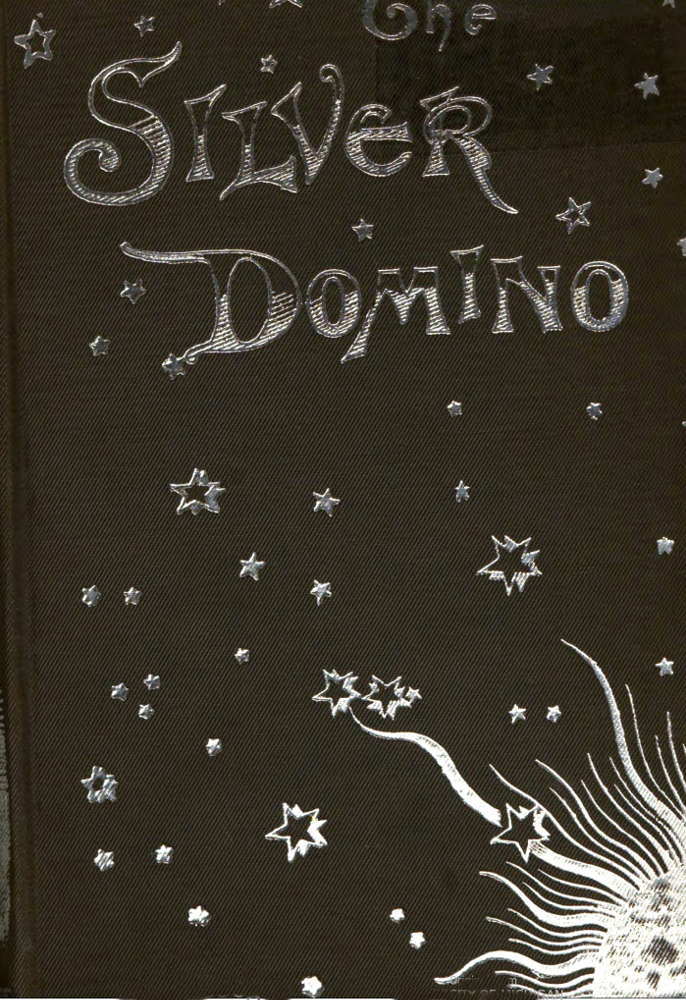
- The Silver Domino
- W What So Proudly We HailWhat So Proudly We Hail
- S Samantha among the Brethren, Volume 4Samantha among the Brethren, Volume 4
Books like this one
Reviews and discussion
No ratings yet. Be the first reader to rate this book.
Rate this book
Pick a star, then sign in. Only readers who confirmed their email can rate.
No comments yet. Share a thought, a question or a favourite passage.
Copyright concern? Read our DMCA policy
Read or download
Public domain book This work is in the public domain and free of copyright. Anyone may read, download and share it.
- EPUB 234 KB
-
KINDLE Send to Kindle Send
- Download the EPUB file to this device.
- Open Amazon's Send to Kindle page, sign in, and add the file. Open Send to Kindle (opens in a new tab)
On a phone: open the downloaded EPUB and share it to the Kindle app.
You can also email the file to your Kindle address (it ends in @kindle.com) from an email address you approved in your Amazon account.
- PDF 1.2 MB
Downloads start right away. How to open EPUB on your phone