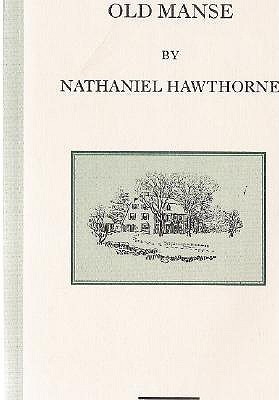
The Old Manse
The Old Manse is the long opening sketch of Nathaniel Hawthorne’s 1846 collection Mosses from an Old Manse. The piece is one of his most extended reflective essays, providing the framing context for the wider collection that follows it. The Old Manse of the title is the historic Concord, Massachusetts house where Hawthorne and his new wife Sophia Peabody Hawthorne lived for several years in the early 1840s after their marriage.
The house had been built in the 1770s by William Emerson, the grandfather of Ralph Waldo Emerson, and had been the center of significant Concord history including the events of the early American Revolution. The North Bridge where the famous opening battle of the Revolutionary War occurred on April 19, 1775, is visible from the house, and the wider Concord landscape is filled with the kind of historical resonance that Hawthorne’s reflective sketches drew on. The Hawthornes had moved into the house shortly after their marriage in 1842 and lived there for several years while Nathaniel was producing the short fiction that would eventually be collected in the Mosses volume.
The sketch develops the kind of careful observation and reflection that Hawthorne’s longer essay pieces reliably delivered. He describes the house itself, the surrounding landscape, the various neighbors who included Ralph Waldo Emerson, Henry David Thoreau, and the wider Concord intellectual community, the historical significance of the location, and the daily life that he and Sophia were building there. The reflective voice gives the sketch its weight, with Hawthorne moving between the immediate observations and the wider historical and personal implications across the page count.
The Old Manse functions both as introduction to the wider Mosses collection and as a major piece in its own right. The sketch is one of the most extended pieces of reflective writing Hawthorne produced and one of the most direct engagements with his personal life and circumstances that his published work allows.
For readers coming to Hawthorne through The Scarlet Letter and The House of the Seven Gables, The Old Manse provides the personal and biographical context that complements the more famous fiction. For students of nineteenth century American literature, of the Concord intellectual circle, or of Hawthorne’s wider catalogue, the sketch is essential reading.
About the Author
Nathaniel Hawthorne was a 19th-century American novelist and short-story writer central to the Dark Romantic movement. He is best known for The Scarlet Letter and The House of the Seven Gables, with their themes of sin, guilt, and Puritan New England.
See all books by Nathaniel Hawthorne →