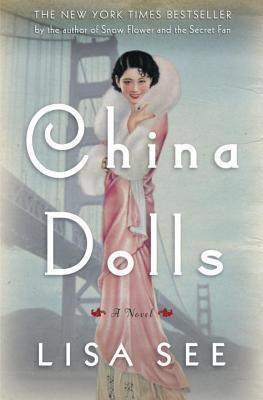
China Dolls
China Dolls is Lisa See’s 2014 historical novel, set in San Francisco during the late 1930s and the World War Two years and centered on three young Asian American women whose lives intersect at the Forbidden City nightclub on the eve of the Japanese attack on Pearl Harbor. Grace Lee, Helen Fong, and Ruby Tom each come to the Forbidden City for different reasons and from different backgrounds, and the novel follows their friendship across the years that would transform American attitudes toward people of Asian descent in ways that affected each of them very differently.
Grace Lee has fled her abusive father in Plain City, Ohio, with dreams of a dance career that her flat midwestern hometown had no use for. Helen Fong comes from a wealthy and traditional Chinese American family in San Francisco and is rebelling against the constrained future her parents had planned for her. Ruby Tom is a Japanese American girl who has been performing under a Chinese name and identity, with implications that become tragic when the war begins and her actual nationality could land her in an internment camp. The three women support each other, hurt each other, and stay in each other’s lives across a decade that no one in 1938 could have predicted.
Lisa See draws on extensive research into the actual history of the Forbidden City, the Chinatown nightclub that was one of the most famous Asian American performance venues of its era, and into the wider Asian American cultural and social history of the period. The Forbidden City and its various competitors employed Chinese American, Japanese American, Filipino American, and other Asian American performers who often presented as Chinese for the white audience that paid the bills, and the racial dynamics that the venues navigated were complicated in ways that the novel handles with the seriousness the material demands. The Japanese American internment beginning in 1942 looms over the second half of the book and lands directly on Ruby and on the wider community.
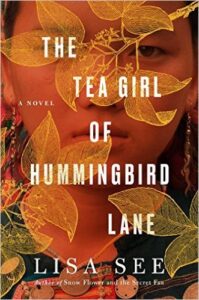
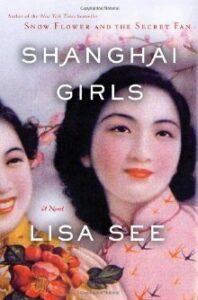
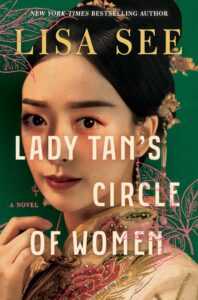
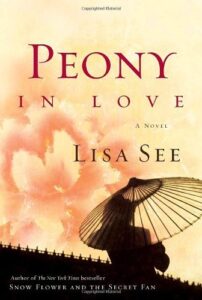
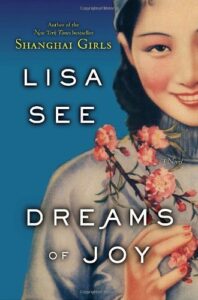
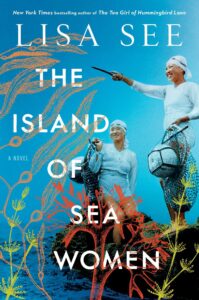
Lisa See’s wider catalogue of Chinese and Asian American historical fiction includes Snow Flower and the Secret Fan, Peony in Love, Shanghai Girls, The Tea Girl of Hummingbird Lane, The Island of Sea Women, and Lady Tan’s Circle of Women. China Dolls is one of the most distinctive entries in this connected body of work, with its specific San Francisco setting and its central focus on the friendship between three women across a decade of historical catastrophe.
For longtime Lisa See fans, China Dolls is essential. For new readers, this is a strong introduction.
About the Author
Download free books by Lisa See on BDeBooks. Read Lisa See’s works online or download as PDF/EPUB · part of our growing free eBook collection.
See all books by Lisa See →