The Island of Sea Women
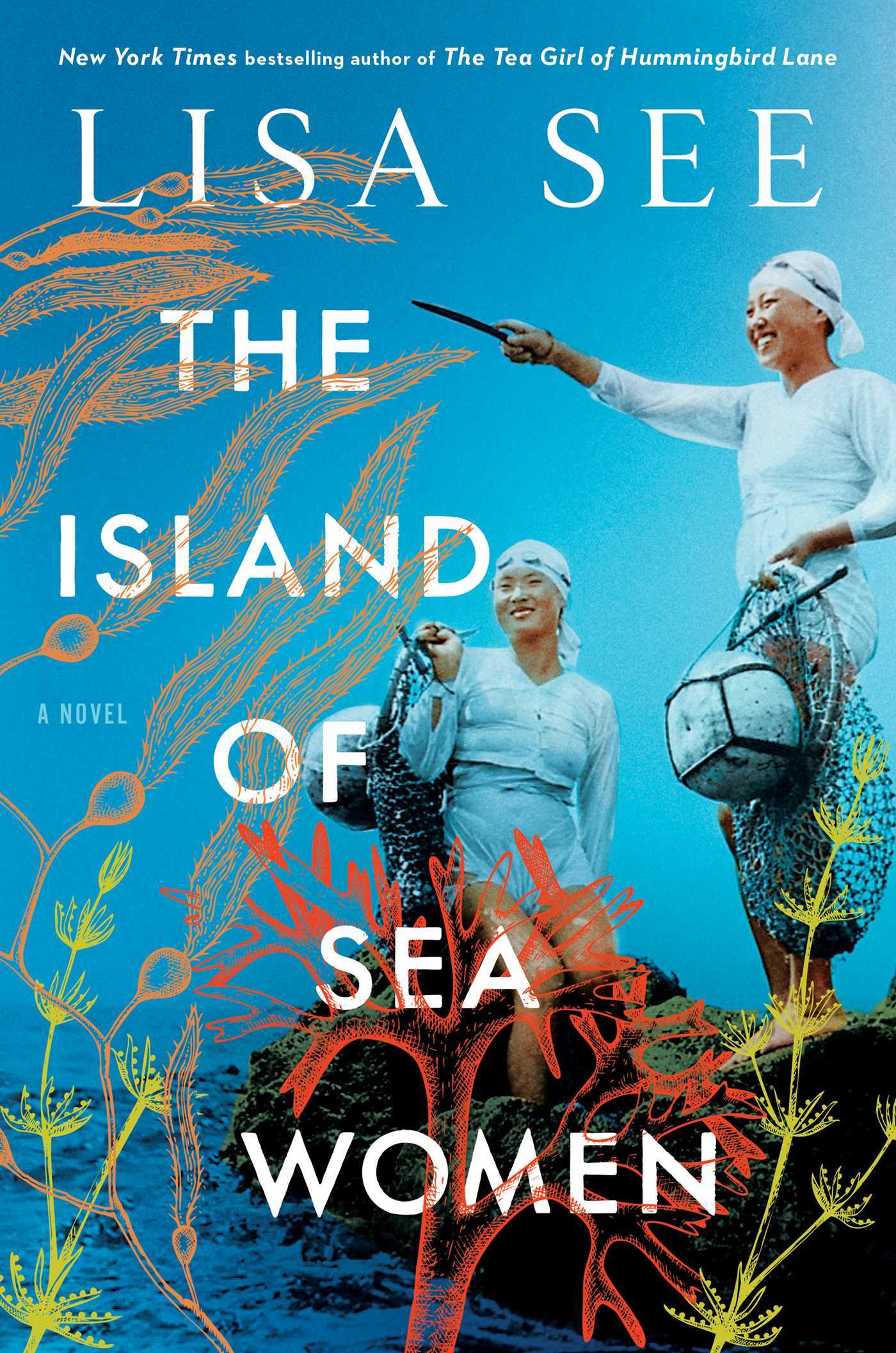
The Island of Sea Women is Lisa See’s 2019 historical novel, focused on the haenyeo, the female deep sea divers of the Korean island of Jeju. The haenyeo culture is one of the more remarkable matriarchal traditions in East Asian history, and See spent years researching the subject before writing the novel. The story spans more than seven decades, from the Japanese colonial period in the 1930s through the Korean War, the postwar dictatorship, and into the present day, told through the friendship between two haenyeo women, Young sook and Mi ja.
Young sook and Mi ja meet as girls and learn to dive together under the strict teaching of Young sook’s mother, the leader of their diving collective. They form the kind of female friendship that the haenyeo culture both depended on and produced, with the women working together for hours each day in dangerous waters and supporting each other and their families through the long historical traumas that swept over Jeju across the twentieth century. The most devastating of those traumas, the April 1948 Massacre and the long counterinsurgency that followed, sits at the structural center of the novel. The violence the islanders suffered during this period was hidden from official Korean history for decades, and Lisa See’s careful attention to it is one of the major reasons the novel matters as historical fiction.
The friendship between Young sook and Mi ja is broken by the events of 1948 in ways that take decades to even begin to repair. The novel moves between the two women’s youth in the Japanese colonial era, the war years and the massacre, and the contemporary moment in which the elderly Young sook is finally being asked to confront what she has refused to forgive. Lisa See’s research into haenyeo culture, into Jeju’s painful twentieth century, and into the matrilineal traditions that distinguished the island from mainland Korea grounds the novel in real history without becoming a lecture.
For readers who came to Lisa See through Snow Flower and the Secret Fan or The Tea Girl of Hummingbird Lane, this novel continues her project of bringing forgotten chapters of East Asian women’s experience into the mainstream of historical fiction.
About the Author
Download free books by Lisa See on BDeBooks. Read Lisa See’s works online or download as PDF/EPUB · part of our growing free eBook collection.
See all books by Lisa See →