Shanghai Girls
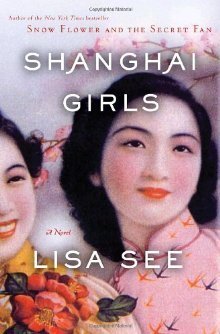
Shanghai Girls is Lisa See’s 2009 novel and the first half of a duology that continues with Dreams of Joy. The book follows two sisters, Pearl and May Chin, born to a wealthy Shanghai family in the 1920s and growing up as professional models for the calendar advertisements that decorated Chinese homes during the cosmopolitan height of pre war Shanghai. Their charmed lives end abruptly when their father loses everything to gambling and arranges marriages for both of them to the sons of a Chinese American family in Los Angeles. Soon after, the Japanese invasion of Shanghai forces the sisters to flee for America in considerably worse circumstances than they had imagined.
The novel follows Pearl and May from their Shanghai youth through their dangerous escape from the war zone, their long and painful immigration through Angel Island, and their building of new lives in Los Angeles Chinatown across the late 1930s and the war years. Lisa See draws on her own family history of Chinese American Los Angeles, on extensive research into the experience of Chinese immigration in this period, and on the historical record of how Chinese American communities navigated the contradictions of being asked to support the war against Japan while still facing the discriminatory laws that had limited Chinese immigration since the 1880s.
The sisters’ relationship is the emotional center of the novel. Pearl, the elder, is responsible and serious. May, the younger, is beautiful, charming, and frequently maddening. The bond between them survives the war, the immigration, the marriages, the births of children, and the long ordinary years of working in Chinese American Los Angeles. Lisa See handles their friendship with the kind of unsparing honesty that gives the book its emotional weight. Sisters love each other and resent each other, often at the same moment, and the novel does not pretend otherwise.
For readers who enjoyed Snow Flower and the Secret Fan or Peony in Love, Shanghai Girls continues See’s project of bringing Chinese women’s history into the mainstream of American historical fiction. The duology rewards being read in order with Dreams of Joy.
About the Author
Download free books by Lisa See on BDeBooks. Read Lisa See’s works online or download as PDF/EPUB · part of our growing free eBook collection.
See all books by Lisa See →