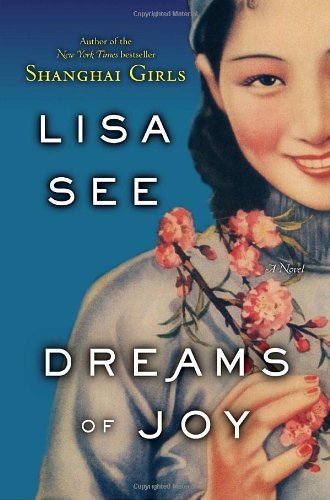
Dreams of Joy
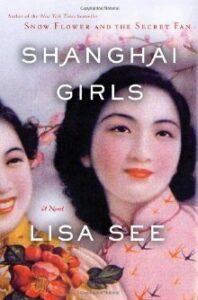
Dreams of Joy is Lisa See’s 2011 novel and the second half of the duology that began with Shanghai Girls. The story picks up where Shanghai Girls ended, with Pearl Chin’s daughter Joy having just discovered the long buried family secret about who her actual biological mother is. Joy, in shock and angry at the family she thought she knew, takes a dramatic step. She runs away from Los Angeles and travels to the People’s Republic of China, intending to find her biological father Z.G. Li, the artist Pearl had once loved before the family was forced to flee Shanghai for America in the late 1930s.
The novel is set in the late 1950s, during the early years of Mao Zedong’s Great Leap Forward, the catastrophic political and economic campaign that would eventually contribute to the deaths of tens of millions of Chinese people through famine and political violence. Joy arrives in China full of the kind of idealistic enthusiasm that some young Western leftists of the period brought to their visits to revolutionary China, and the novel follows her slow and painful recognition of what the Mao era was actually doing to the country she had romanticized from across the Pacific. Pearl, knowing the danger her daughter has put herself in, follows Joy back to a China that Pearl had escaped two decades earlier and that has been transformed in ways she could not have anticipated.
Lisa See draws on extensive research into the Great Leap Forward and the wider catastrophe of the early Mao era, with attention to the rural communes, the steel furnaces, the political denunciations, and the slow developing famine that the policies were producing. The novel manages to be both a family drama and a serious engagement with one of the worst atrocities of the twentieth century, and See handles the historical material with the seriousness the subject demands.
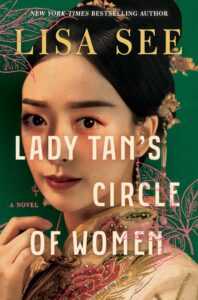
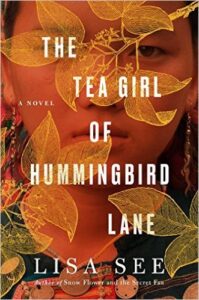
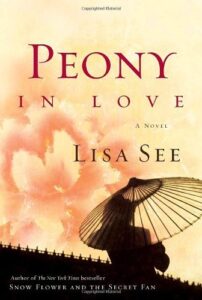
For readers who came to the duology through Shanghai Girls, Dreams of Joy delivers the conclusion the first book had set up. For new readers, the duology rewards being read in order. Lisa See’s wider catalogue of Chinese historical fiction includes Snow Flower and the Secret Fan, Peony in Love, The Tea Girl of Hummingbird Lane, The Island of Sea Women, and Lady Tan’s Circle of Women, and Dreams of Joy is one of the strongest entries in the connected body of work.
About the Author
Download free books by Lisa See on BDeBooks. Read Lisa See’s works online or download as PDF/EPUB · part of our growing free eBook collection.
See all books by Lisa See →