
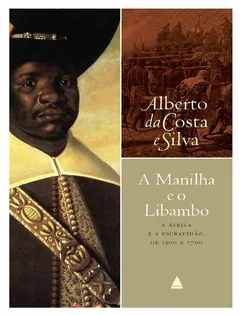
A Manilha e o Libambo
Mapas
Este capítulo é longo, por isso está dividido em 7 partes.
73
Ibidem , p. 18-9.
74 Mostert, ob. cit., p. 208.
75
John H. Soga, The South-Eastern Bantu, Johannesburgo, 1930; W.D.
Ham m ond-Tooke, “Segm entation and Fission in Cape Nguni Political Units”,
Africa, v. 35 (1965), p. 143-66; Wilson, “The Nguni People”, ob. cit., p. 118,
119 e 126; Marks e Gray, ob. cit., p. 434.
76 J.B. Peires, “The Rise of the ‘Right-Hand House’ in the History and
Historiography of the Xosa”, History in Africa, v. 2 (1975), p. 121-2, e The
House of Phalo, ob. cit., p. 19-22 e 202, nota 3.
77
Peires, The House of Phalo, ob. cit., p. 27-42.
78 L.D. Ngcongco e Jan Vansina: “Southern Africa: its peoples and social
structures”, General History of Africa, org. pela Unesco, v. IV, org. por D.T.
Niane, Londres: Heinem ann/University of California Press/Unesco, 1984, p.
589.
79
Wilson, “The Nguni People”, ob. cit., p. 121 e 122.
80 Ibidem , p. 114.
81
Anônim o, “Relação da m ui notável perda do galeão grande ‘São João’, em
que se contam os grandes trabalhos e lastim osas cousas que aconteceram ao
capitão Manuel de Sá Sepúlveda e o lam entável fim que ele e sua m ulher e
filhos e toda a m ais gente houveram na Terra do Natal, onde se perderam a
24 de j unho de 1552”, História trágico-m arítim a, p. 12, 16 e 18; Manuel de
Mesquita Perestelo: “Relação sum ária da viagem que fez Fernão d’Álvares
Cabral, desde que partiu deste reino por capitão-m or da arm ada que foi no
ano de 1553, às partes da Índia até que se perdeu no cabo da Boa Esperança
no ano de 1554”, ibidem , p. 43 e 50.
82 J.W.D. Moodie, Ten Years in South Africa, Londres: Bentley, 1835, v. I, p. 431.
1 Sobre os coicóis, Richard Elphick, Kraal and Castle: Khoikhoi and the Founding
of White South Africa, New Haven: Yale University Press, 1977; e, sobre os
coicóis e sãs, em português, Alberto da Costa e Silva, A enxada e a lança: a
África antes dos portugueses, 2. ed., Rio de Janeiro: Nova Fronteira, 1996, p.
66, 624-30.
2 Roteiro da prim eira viagem de Vasco da Gam a, apresentação e notas de
Neves Águas, Mem Martins: Publicações Europa-Am érica, s.d. (1987), p. 25
(o Roteiro é atribuído a Álvaro Velho).
3
Com o sugere Carlos Teixeira da Mota, Presenças portuguesas na África do Sul
e no Transval durante os séculos XVIII e XIX, Lisboa: Instituto de
Investigação Científica Tropical, 1989, p. 11.
4
Roteiro da prim eira viagem de Vasco da Gam a, ob. cit., p. 23.
5 Com o propõe Noël Mostert, Frontiers: The Epic of South Africa’s Creation and
the Tragedy of the Xhosa People, Londres: Jonathan Cape, 1992, p. 38.
6
Roteiro da prim eira viagem , p. 23; João de Barros, Ásia, Prim eira Década,
Livro IV, capítulo III (p. 128 e 129 da edição revista e prefaciada por António
Baião, Coim bra: Im prensa da Universidade, 1932); Luís Vaz de Cam ões, Os
lusíadas, canto V, estrofes XXVII a XXXIII.
7 Roteiro da prim eira viagem , ob. cit., p. 28; Cam ões, ob. cit., canto V, estrofes
LXII e LXIII.
8 João de Barros, ob. cit., Prim eira Década, Livro IV, capítulo III.
9
Mostert, ob. cit., p. 35 e 110.
10 Roteiro da prim eira viagem , ob. cit., p. 27-9; João de Barros, loc. cit.
11
João de Barros, ob. cit., Prim eira Década, Livro VII, cap. IV (p. 256 e 257 da
ed. cit.).
12
João de Barros, ob. cit., Segunda Década, Livro III, cap. IV (p. 144-7 da ed.
org. por Antônio Baião e Luís F. Lindley Cintra, Lisboa: Im prensa Nacional-
Casa da Moeda, 1974).
13
C.R. Boxer, The Dutch Seaborne Em pire, 1600-1800, Harm ondsworth:
Penguin Books, 1990, p. 220-1.
14
Shula Marks, “Khoisan resistance to the Dutch in the seventeenth and
eighteenth centuries”, The Journal of African History , v. XIII (1972), n. 1, p.
60.
15
Mostert, ob. cit., p. 91.
16 J. Cope, The King of the Hottentots, Cidade do Cabo: Howard Trim m ins,
1967; Shula Marks, ob. cit., p. 61 e 62; Shula Marks e Richard Gray, “Southern
Africa and Madagascar”, The Cam bridge History of Africa, org. por J.D.
Fage e Roland Oliver, v. 4, org. por Richard Gray, Cam bridge: Cam bridge
University Press, 1975, p. 440; Mostert, ob. cit., p. 90-1.
17 M.F. Katzen, “White Settlers and the Origin of a New Society, 1652-1778”, A
History of South Africa to 1870, org. Monica Wilson e Leonard Thom pson,
Cidade do Cabo: David Philip, 1982, p. 188.
18
Mostert, ob. cit., p. 126.
19 Boxer, The Dutch Seaborne Em pire, ob. cit., p. 278.
20 Editado por Edgard de Cerqueira Falcão, com o título Zoobiblion: livro de
anim ais do Brasil (São Paulo), 1964.
21 E.A. Walker, A History of Southern Africa, 3. ed., Londres: Longm ans, 1957,
p. 39.
22
M.F. Katzen, ob. cit., p. 194 e 204.
23 Alex Hepple, South Africa: A Political and Econom ic History , Nova York:
Frederick A. Praeger, 1966, p. 9 e 12; Nigel Worden, Slavery in South Africa,
Cam bridge: Cam bridge University Press, 1985, p. 46-8 e 52-60.
24 Marks, ob. cit., p. 64; Marks e Gray, ob. cit., p. 442; Mostert, ob. cit., p. 131.
25 Sobre Harry, Marks, ob. cit., p. 61-3; Marks e Gray, ob. cit., p. 440-2; Mostert,
ob. cit., p. 119-20, 124, 126, 128, 132-3.
26 Marks, ob. cit., p. 62 e 64; Mostert, ob. cit., p. 132.
27
Elphick, ob. cit., p. 23-68.
28 I.D. McCrone, Race Attitudes in South Africa: Historical, Experim ental and
Psy chological Studies, Joanesburgo: 1957, p. 37.
29 Mostert, ob. cit., p. 136.
30
Boxer, The Dutch Seaborne Em pire, ob. cit., p. 279.
31 Ibidem .
32
Marks, ob. cit., p. 66; Mostert, ob. cit., p. 137-8.
33 Marks, ob. cit., p. 66.
34
Assim estim ada por Van Riebeeck, conform e Monica Wilson, “The Hunters
and Herders”, em A History of South Africa to 1870, p. 68.
35 Boxer, The Dutch Seaborne Em pire, ob. cit., p. 279; Marks e Gray, ob. cit., p.
446.
36 Marks, ob. cit., p. 68.
37 Marks e Gray, ob. cit.
38
Katzen, ob. cit., p. 197.
39 Se era assim na m etade do século XVIII, conform e um contem porâneo (O.F.
Mentzel, Description of the Cape, Cidade do Cabo, 1924, v. II, p. 100-23),
m ais razão havia para ser assim no fim do Seiscentos.
40 Sobre o papel de Eva com o interm ediária entre duas culturas, Julia C. Wells,
“Eva’s Men: Gender and Power in the Establishm ent of the Cape of Good
Hope, 1652-74”, The Journal of African History , v. 39 (1998), n. 3, p. 417-37.
41 Marks, ob. cit., p. 77.
42 Boxer, The Dutch Seaborne Em pire, ob. cit., p. 292 e 294.
43
Marks e Gray, ob. cit., p. 448.
44 Celso Cunha, Língua, nação, alienação, Rio de Janeiro: Nova Fronteira, 1981,
p. 48 e 50.
45 Com o expressou um certo John Davis, em 1598. Cit. por Noël Mostert, ob.
cit., p. 110.
46
Wilson, ob. cit., p. 67.
47 Mostert, ob. cit., p. 28.
48 John Iliffe, Africans: the History of a Continent, Cam bridge: Cam bridge
University Press, 1995, p. 114.
1
Ou Lébou.
2 George E. Brooks, Landlords and Strangers: Ecology, Society, and Trade in
Western Africa, 1000-1650, Boulder: Westview Press, 1993, p. 175, 209-10.
3 Zaway a ou zway a.
4
Sobre Nasir al-Din e sua guerra santa, há o testem unho de um contem porâneo,
Louis Moreau de Cham bonneau, em C.I.A. Ritchie, “Deux textes sur le
Sénégal 1673-1677”, Bulletin de l’IFAN, série B, v. XXX (1968), n. 1, p. 289-
353. Ver tam bém J. Spencer Trim ingham , A History of Islam in West Africa,
Londres: University of Glasgow/Oxford University Press, 1975 (a prim eira
ed. é de 1962), p. 155-6; Philip D. Curtin, “Jihad in West Africa: Early Phase
and Inter-relations in Mauritania and Senegal”, The Journal of African
History , v. XII (1971), n. 1, p. 11-8; Martin A. Klein, “Social and Econom ic
Factors in the Muslim Revolution in Senegam bia”, The Journal of African
History , v. XIII (1972), n. 2, p. 429; Philip D. Curtin, Econom ic Change in
Precolonial Africa: Senegam bia in the Era of the Slave Trade, Madison: The
University of Wisconsin Press, 1975, p. 49-50; Nehem ia Levtzion, “North-
West Africa: from the Maghrib to the Fringes of the Forest”, em The
Cam bridge History of Africa, org. J.D. Fage e Roland Oliver, v. 4, org.
Richard Gray, Cam bridge: Cam bridge University Press, 1975, p. 199-202; J.
Suret-Canale e Boubacar Barry, “The Western Atlantic coast to 1800”, em
History of West Africa, org. J.F. Ade Aj ay i e Michael Crowder, v. I, 2. ed.,
Londres: Longm an, 1976, p. 470-1; Peter B. Clarke, West Africa and Islam ,
Londres: Edward Arnold, 1982, p. 77-80; Mervy n Hiskett, The Developm ent
of Islam in West Africa, Londres: Longm an, 1984, p. 139-40; Jean Boulègue e
Jean Suret-Canale, “The Western Atlantic Coast”, em History of West Africa,
org. J.F. Ade Aj ay i e Michael Crowder, v. I, 3. ed., Londres: Longm an, 1985,
p. 520-1; Boubacar Barry, Senegam bia and the Atlantic Slave Trade, trad. de
Ay i Kwei Arm ah de La Sénégam bie du XVe au XIXe siècle: traite négrière,
Islam et Conquête coloniale (Paris: Harm attan, 1988), Cam bridge:
Cam bridge University Press, 1998, p. 50-3; Boubacar Barry, “Senegam bia
from the Sixteenth to the Eighteenth Century : Evolution of the Wolof, Serer
and ‘Tukuloor’”, em General History of Africa, org. Unesco, v. V, org. B.A.
Ogot, Londres, Heinem ann/University of California Press/Unesco, 1992, p.
273-7; Michael A. Gom ez, Pragm atism in the Age of Jihad: The Precolonial
State of Bundu, Cam bridge: Cam bridge University Press, 1992, p. 48-50;
Martin A. Klein, “The Im pact of the Atlantic Slave Trade on the Societies of
the Western Sudan”, The Atlantic Slave Trade: Effects on Econom ies,
Societies, and Peoples in Africa, the Am ericas, and Europe, org. por Joseph
E. Inikore e Stanley L. Engerm an, Durham : Duke University Press, 1992, p.
35-6; Jam es F. Searing, West African Slavery and Atlantic Com m erce: The
Senegal River Valley, 1700-1860, Cam bridge: Cam bridge University Press,
1993, p. 24-6.
5
Levtzion, “North-West Africa”, ob. cit., p. 201-2.
6 Com o alegou Philip D. Curtin, “Jihad in West Africa”, ob. cit., p. 18.
7 Tentação a que cede Peter B. Clarke, ob. cit., p. 84.
8
Barry, ob. cit., p. 13.
9 Michael A. Gom ez, “The Problem of Malik Sy and the Foundation of Bundu”,
Cahiers d’Etudes Africaines, n. 25 (1985), p. 537-53; e Pragm atism in the Age
of Jihad, p. 29-30, 32-50.
10 Ibidem , p. 204.
11 Com o sustenta Boubacar Barry, Senegam bia and the Atlantic Slave Trade, p.
53-4; e “Senegam bia from the Sixteenth to the Eighteenth Century ”, p. 277-8.
12
Jam es F. Searing, West African Slavery , p. 21-3.
13 “Prem ier Voy age de Brüe (1697)”, cit. por Jam es F. Searing, West African
Slavery , p. 23-4.
14 Jam es L.A. Webb, Jr., “The Horse and the Slave Trade between the Western
Sahara and Senegam bia”, The Journal of African History , v. 34 (1993), n. 2,
p. 231.
15 Levtzion, “North-West Africa”, ob. cit., p. 149-50; Aziz Abdalla Batran, “The
‘Ulam a’ of Faz, Mulay Ism a’il, and the Issue of the Haratin of Faz”, Slaves
and Slavery in Muslim Africa, org. John Ralph Willis, Londres: Frank Cass,
1985, v. II, p. 1-6; J.O. Hunwick, “Black Slaves in the Mediterranean World:
Introduction to a Neglected Aspect of the African Diaspora”, The Hum an
Com m odity : Perspectives on the Trans-Saharan Slave Trade, org. Elizabeth
Savage, Londres: Frank Cass, 1992, p. 19-20; M.E. Fasi, “Morocco”, General
History of Africa, org. Unesco, v. V, p. 225-9; Moham m ed Ennaj i, Serving
the Master: Slavery and Society in Nineteenth-century Morocco, trad. de Seth
Graebner, Nova York: St. Martin’s Press, 1999, p. 6-8.
16 Curtin, Econom ic Change, ob. cit., p. 156.
17
Ibidem , p. 117.
18 Barry, Senegam bia and the Atlantic Slave Trade, ob. cit., p. 39-40 e 49.
19 Notas sobre o tráfico português de escravos, 2. ed. revista, Lisboa:
Universidade Nova de Lisboa, 1983, p. 36.
20
Barbot on Guinea: The Writings of Jean Barbot on West Africa, org. por
P.E.H. Hair, Adam Jones e Robin Law, Londres: The Hakluy t Society, 1002, v.
I, p. 132.
21
Dados recolhidos por Jam es Lockhart, Spanish Peru, 1532-1560, Madison:
The University of Wisconsin Press, 1968, p. 173, conform e quadro em Philip
D. Curtin, The Atlantic Slave Trade: a Census, Madison: The University of
Wisconsin Press, 1969, p. 97.
22 Conform e quadro em Philip Curtin, The Atlantic Slave Trade, p. 98, tendo por
fonte Gonzalo Aguirre Beltrán, La población negra de México, 1519-1810,
México, 1946, p. 244-5.
23 De Instauranda Aethiopum Salute: el m undo de la esclavitud negra en
Am erica, Bogotá: Em presa Nacional de Publicações, 1956 (a prim eira ed. é
de 1627), p. 91.
24 John Thornton, Africa and Africans in the Making of the Atlantic World, 1400-
1680, Cam bridge: Cam bridge University Press, 1992, p. 293-4.
25 Maurício Goulart, A escravidão africana no Brasil (Das origens à extinção do
tráfico), 3. ed. revista, São Paulo: Alfa-Ôm ega, 1975 (a prim eira ed. é de
1949), p. 98-9; Luiz Henrique Dias Tavares, nota à 3. ed. de Luís Viana Filho,
O negro na Bahia, Rio de Janeiro: Nova Fronteira, 1988, (a prim eira ed. é de
1946), p. 78-9.
26
Bahia and the West Coast Trade (1549-1851), Ibadan: Ibadan University
Press, 1964, p. 3; Fluxo e refluxo do tráfico de escravos entre o golfo do Benin
e a Bahia de Todos os Santos, dos séculos XVII a XIX, trad. de Tasso
Gadzanis, São Paulo: Corrupio, 1987 (a ed. francesa é de 1968), p. 9-10.
27 O negro na Bahia, ob. cit., p. 38.
28
Luís Viana Filho, O negro na Bahia, ob. cit., p. 70 e 72. Nas notas à 3. ed,
desse livro (p. 64), Luiz Henrique Dias Tavares considera que, durante o
cham ado Ciclo da Guiné, os principais em barques se deram nas ilhas de Cabo
Verde, nas m argens do Senegal e do Gâm bia e, para o sul, nos rios Grande,
do Nuno, Pongo e Scarcies.
29 Curtin, The Atlantic Slave Trade, ob. cit., p. 119.
30 Jean Boulègue, Les Luso-Africains de Sénégam bie, XVIe et XIXe siècles,
Lisboa: Instituto de Investigação Científica Tropical/Centre de Recherches
Africaines de l’Université de Paris I, 1989, p. 74.
31 Jean Boulègue, ob. cit., p. 75.
32
Walter Rodney, A History of the Upper Guinea Coast, 1545 to 1800, reedição,
Nova York: Monthly Review Press, 1980, p. 129.
33 Ibidem , p. 141-8.
34 Ibidem , p. 150.
35
Henrique Augusto Dias de Carvalho, Guiné: apontam entos inéditos. Lisboa:
Agência Geral das Colônias, 1944, p. 22-5.
36 Rodney, History of the Upper Guinea, ob. cit., p. 96.
37 Nicolás del Castillo Mathieu, Esclavos negros en Cartagena y sus aportes
léxicos, Bogotá: Instituto Caro y Cuervo, 1982, p. 41-4 e 45.
38 Rodney, History of the Upper Guinea, ob. cit., p. 100.
39
Jorge de Castilho, “Inform ação para D. João IV, rei de Portugal”, posterior a
12 de dezem bro de 1643, em Maria Luísa Esteves, Gonçalo de Gam boa de
Aiala, capitão-m or de Cacheu e o com ércio negreiro espanhol (1640-1650),
Lisboa: Instituto de Investigação Científica Tropical/Instituto Nacional de
Estudos e Pesquisas, 1988, p. 64.
40
Rodney, History of the Upper Guinea, ob. cit., p. 98.
41 Esteves, ob. cit., p. 44.
42 Castillo Mathieu, ob. cit., p. 54-6.
43
Esteves, ob. cit., p. 18 e 64.
44 Rodney, History of the Upper Guinea, ob. cit., p. 133.
45 “Carta de Gonçalo de Gam boa de Aiala, capitão-m or de Cacheu, para D.
João IV, rei de Portugal”, de 8 m aio de 1647, em Esteves, ob. cit., p. 97.
46
Ibidem .
47 Castillo Mathieu, ob. cit., p. 93-114.
48 Ver Antônio Carreira, A Com panhia Geral do Grão-Pará e Maranhão (O
com ércio m onopolista Portugal-África-Brasil na segunda m etade do século
XVIII), São Paulo: Com panhia Editora Nacional (Brasiliana), 1988, v. I,
sobretudo o cap. 5.
49 Rodney, A History of the Upper Guinea, ob. cit., p. 129.
50 “Mem orial de Paulo Barradas da Silva, capitão da Guiné, para D. João IV, rei
de Portugal”, de 7 novem bro 1641, em Esteves, ob. cit., p. 60.
51
Rodney, History of the Upper Guinea, ob. cit., p. 105.
52 Ibidem , p. 102.
53 Ibidem , p. 106.
54
Com o não nos deixa esquecer Martin A. Klein, “The Im pact of the Atlantic
Slave Trade”, p. 31-2.
55 Carlos Lopes, Kaabunké: espaço, território e poder na Guiné-Bissau, Gâm bia
e Casam ance pré-coloniais, trad. de Maria Augusta Júdice e Lurdes Júdice,
Lisboa: Com issão Nacional para as Com em orações dos Descobrim entos
Portugueses, 1999, p. 144.
56 Donald R. Wright, “Darbo Jula: the Role of a Mandinka Jula Clan in the Long-
Distance Trade of the Gam bia River and its Hinterland”, em African
Econom ic History , n. 3 (1977), p. 37-42.
57 Martin A. Klein e Paul Lovej oy, “Slavery in West Africa”, em The
Uncom m on Market: Essay s in the Econom ic History of the Atlantic Slave
Trade, org. H.A. Gem ery e Jan S. Hogendorn. Nova York: Academ ic, 1979,
p. 181-212; e Claude Meillassoux, The Anthropology of Slavery : the Wom b of
Iron and Gold, trad. de Alide Dasnois, Londres: The Athlone Press, 1991 (a
ed. francesa é de 1986), p. 241-62.
58 Lopes, ob. cit., p. 147.
59
Wright, ob. cit., p. 41 e 42.
60 A expressão é de Walter Rodney, “The Guinea Coast”, em The Cam bridge
History of Africa, org. J.D. Fage e Roland Oliver, v. 4, org. Richard Gray,
Cam bridge: Cam bridge University Press, 1975, p. 281.
61 Mapa em Brooks, Landlords and Strangers, p. 242; Lopes, ob. cit., p. 174.
62 André Donelha, Descrição da Serra Leoa e dos Rios de Guiné do Cabo Verde,
ed. e notas de Avelino Teixeira da Mota, com notas de P.E.H. Hair, Lisboa:
Junta de Investigação Científica do Ultram ar, 1977, p. 118.
63 “É senhor de todos os reis dos m andingas, que são m uitos, e dos j alofos,
berbecim e outros reis diversos ao norte”, escreveu André Donelha, loc. cit.
64
Rodney, History of the Upper Guinea, ob. cit., p. 111.
65 Barry, Senegam bia and the Atlantic slave trade, ob. cit., p. 43.
66 Lopes, ob. cit., p. 81.
67
Lopes, ob. cit., p. 133-4, 168-9.
68 Ou Tanda.
69
Com o sugere Curtin, Econom ic Change, ob. cit., p. 177-8.
70 Curtin, Econom ic Change, ob. cit., p. 179; Abdoulay e Bathily, “La Traite
Atlantique des Esclaves et ses effets économ iques et sociaux en Afrique: le
cas du Galam , roy aum e de l’Hinterland sénégam bien au dix-huitièm e
siècle”, The Journal of African History , v. 27 (1986), n. 2, p. 273.
71
Nehem ia Levtzion, “North-West Africa: from the Maghrib to the Fringes of
the Forest”, em The Cam bridge History of Africa, v. 4, p. 171.
72 Curtin, Econom ic Change, ob. cit., p. 178-9.
73 Banm ana ou Bam anaw.
74
Marka ou Maraka.
75 Al-Sadi, Tarikh al-Sudan, trad. de O. Houdas, revista, Paris: Maisonneuve e
Larose, 1964, p. 276; Levtzion, “North-West Africa”, p. 174; M. Abitbol, “The
end of the Songhai em pire”, em General History of Africa, org. Unesco, v. V,
org. B.A. Ogot, Londres: Heinem ann/University of California Press/Unesco,
1992, p. 312.
76
Nehem ia Levtzion, Ancient Ghana and Mali, Nova York: Africana Publishing
Com pany, 1980, p. 99.
77
Levtzion, Ancient Ghana and Mali, ob. cit., p. 61; M. Izard e J. Ki-Zerbo,
“From the Niger to the Volta”, em General History of Africa, org. Unesco, v.
V, p. 329.
78
Levtzion, “North-West Africa”, ob. cit., p. 174.
79 Com o pensa Levtzion, “North-West Africa”, ob. cit., p. 175.
80 Meillassoux, The Anthropology of Slavery , p. 59.
81
Levtzion, “North-West Africa”, ob. cit., p. 175 e 192.
82 Sobre os m ossis, Alberto da Costa e Silva, A enxada e a lança: a África antes
dos portugueses, 2. ed., Rio de Janeiro: Nova Fronteira, 1996, p. 509-15 e 609-
10. As obras básicas sobre a origem e a organização desses estados são:
Maurice Delafosse, Haut-Sénégal-Niger (Soudan français), Paris: Larose,
1912, v. II, cap. 4; Leo Frobenius, The Voice of Africa, trad. de Rudolf Blind,
Londres: Hutchinson, 1913, v. II, cap. 23; Louis Tauxier, Le Noir du Soudan,
Paris: Larose, 1912; L. Tauxier, Le Noir du Yatenga, Paris: Larose, 1917; L.
Tauxier, Nouvelles notes sur le Mossi et le Gourounsi, Paris: Larose, 1924; E.F.
Tankaloe, A Brief History of the Dagbam ba People, Acra: Governm ent
Printer, 1931; Elliott P. Skinner, The Mossi of the Upper Volta: the Political
Developm ent of a Sudanese People, Stanford: Stanford University Press,
1964; J.D. Fage, “Reflections on the Early History of the Mossi-Dagom ba
Group of States, em The Historian in Tropical Africa, org. Jan Vansina,
Ray m ond Mauny e L.V. Thom as, Londres: International African
Institute/Oxford University Press, 1964; Dom inique Zahan, “The Mossi
Kingdom s”, em West African Kingdom s in the Nineteenth Century , org.
Dary ll Forde e P.M. Kaberry, Londres: International African Institute/Oxford
University Press, 1967; M. Izard, Introduction à l’histoire des roy aum es
m ossi, Paris: Centre de la Recherche Scientifique, 1970.
83 Frobenius, ob. cit., v. II, p. 498.
84 Al-Sadi, ob. cit., p. 79, e p. 168, 173.
85
Desde os trabalhos de Georges Y. Madiega, Contribution à l’histoire
précoloniale du Gurm a (Haute-Volta), Wiesbaden: Franz Steiner, 1982. M.
Izard e J. Ki-Zerbo, “From the Niger to the Volta”, p. 349-51.
86
M. Izard e J. Ki-Zerbo, ob. cit., p. 349-51.
87 Ou Kurum ba, Kurum a, Kouroum a, Fulse ou Foulsé.
88 Ou Woba.
89
Nakom ce ou Nakom bse.
90 Ou Akulo.
91
Basari, Tobote ou Bitchem bi.
92 Ou ainda gurunsis, grunsis, gurunxis, grunxis, Grusi, Grunshi, Gurensi, Guren
ou Guresa.
93
Konkom ba, Kpunkpam ba, Kpankpam a, Mokwam ba ou Konko.
94 Sisala ou Debe.
95
Ou Talis.
96 Tinguim bissi, Tengabisi ou Talse.
97 Ivor Wilks, “The Mossi and Akan States, 1500-1800”, em History of West
Africa, org. J.F. Ade Aj ay i e Michael Crowder, v. I, 2. ed., Londres:
Longm an, 1976, p. 414.
98 Mam pulusi, Mam purugu, Mam pele, Mam pourou, Mapursi, Mam proussi ou
Mam prussi.
99 Ivor Wilks, “The Mossi and Akan States, 1400-1800”, em History of West
Africa, v. I, 3. ed., 1985, p. 471-2.
100
Ou Yarse.
101 Ou Yerisi.
102 Mervy n Hiskett, The Developm ent of Islam in West Africa, Londres:
Longm an, 1984, p. 123-5; Wilks, “The Mossi and Akan states, 1400-1800”, ob.
cit., p. 476; John Iliffe, Africans: the History of a Continent, Cam bridge:
Cam bridge University Press, 1995, p. 91.
103 Skinner, The Mossi, ob. cit., p. 3.
104 Frobenius, ob. cit., v. II, p. 513.
105
Kulango, Koulan, Kolam bio, Ngorafo, Nkoram fo ou Koulanko.
106 Levtzion, “North-West Africa”, ob. cit., p. 187.
107
Tratado breve dos Rios da Guiné do Cabo Verde, desde o rio do Sanagã até os baixos de Sant’Anna etc. etc., publicado por Diogo Köpke, Porto: Tipografia Com ercial Portuense, 1841, p. 30.
108
Ver o m eu livro, ob. cit., p. 301-2.
109 Ivor Wilks, Nehem ia Levtzion e B. Haight, Chronicles from Gonj a: a
Tradition of West African Muslim Historiography , Cam bridge: Cam bridge
University Press, 1986; cap. 3 e 4.
110 Com o propõe Ivor Wilks, “The Mossi and Akan states, 1400-1800”, ob. cit.,
p. 483; e Forests of Gold: Essay s on the Akan and the Kingdom of Asante,
Athens: Ohio University Press, 1993, p. 29.
111 Com o sugere Ivor Wilks, “The Mossi and Akan states, 1500-1800”, ob. cit., p.
431.
112 Wilks, “The Mossi and Akan states, 1400-1800”, ob. cit., p. 484.
113
Oliver Davies, West Africa before the Europeans: Archaeology and Prehistory , Londres: Methuen, 1967, p. 314.
114
Forests of Gold, ob. cit., p. 31-2.
115 Trad. de O. Houdas, Paris, 1911, p. 22.
116 Paul C. Ozanne, “Ghana”, em The African Iron Age, org. P.L. Shinnie,
Oxford: Clarendon Press, 1971, p. 47-8.
117
Yves Person, “Le Soudan nigérien et la Guinée ocidentale”, em Histoire Générale de l’Afrique Noire, org. Hubert Descham ps, Paris: Presses Universitaires de France, 1970, v. I, p. 298; Levtzion, “North-West Africa”, ob. cit., p. 188; Wilks, “The Mossi and Akan states, 1400-1800”, ob. cit., p. 484.
118 Ou Ny em asi.
119
Ou Nbany a.
120 Kram o ou Karam o.
121 Jack Goody, “The Over-Kingdom of Gonj a”, em West African Kingdom s in
the Nineteenth Century , ob. cit., p. 182-3.
122
Jack Goody, “Restricted Literacy in Northern Ghana”, em Literacy in Traditional Societies, Cam bridge: Cam bridge University Press, 1968, p. 213.
123 Com o faz Jack Goody, The Logic of Writing and the Organization of Society ,
Cam bridge: Cam bridge University Press, 1996 (a prim eira ed. é de 1986), p.
103.
124
Hiskett, The Developm ent of Islam , p. 120; Wilks, “The Mossi and Akan states, 1400-1800”, ob. cit., p. 484.
125 Acanis ou Akani.
126 Sobre a rede com ercial acane, Ray A. Kea, Settlem ents, Trade, and Polities
in the Seventeenth-Century Gold Coast, Baltim ore: The Johns Hopkins
University Press, 1982, p. 248-87.
127 A.A.Y. Ky erem aten, Panoply of Ghana, Nova York: Frederick A. Praeger,
1964, p. 44-54; Tim othy F. Garrard, “Studies in Akan Goldweights”, em
Transactions of the Historical Society of Ghana, v. 13 (1972), n. 1 e 2, e v. 14
(1973), n. 1 e 2, e Akan Weights and the Gold Trade, Londres: Longm an,
1980; M.D. MacLeod, The Asante, Londres: British Museum Publications,
1981, p. 122-31; Kea, Settlem ents, Trade, and Polities, p. 186-92; John Picton,
“West Africa and the Guinea Coast”, em Africa: the Art of a Continent, org.
Tom Phillips, catálogo da exposição realizada na Roy al Academ y of Arts, em
Londres (outubro 1995-j aneiro 1996), Munique: Prestel, 1995, p. 442-6.
128
A.W. Lawrence, Fortified Trade-Posts: the English in West Africa, Londres: Jonathan Cape, 1969, p. 12-3.
129 Description and Historical Account of the Gold Kingdom of Guinea (1602),
trad. e notas de Albert van Dantzig e Adam Jones, Londres: The British
Academ y /Oxford University Press, 1987, p. 77.
130
Kea, Settlem ents, Trade, and Polities, ob. cit., p. 37-9.
131 Ibidem , p. 34 e 35.
132
Ibidem , p. 36.
133 Ou Akwam u.
134
Ivor Wilks, “The Rise of the Akwam u Em pire, 1650-1710”, em Transactions of the Historical Society of Ghana, ob. cit., v. 3 (1957), n. 2, p. 99-136.
135 Wilks, “The Mossi and Akan states, 1500-1800”, ob. cit., p. 437.
136 Wilks, “The rise of the Akwam u Em pire”, ob. cit., p. 106-11.
137
J.D. Fage, A History of Africa, Londres: Hutchinson, 1985 (a prim eira ed. é de 1978), p. 276-7; Rodney, “The Guinea Coast”, p. 298-9.
138
A New and Accurate Description of the Coast of Guinea, com introd. de John Ralph Willis e notas de J.D. Fage e R.E. Bradbury, Londres: Frank Cass, 1967 (a prim eira ed. é de 1704), p. 181.
139
R.A. Kea, “Firearm s and warfare on the Gold and Slave Coasts from the sixteenth to the nineteenth centuries”, The Journal of African History , v. XII (1971), n. 2, p. 186-99; Wilks, “The Mossi and Akan States, 1500-1800”, ob. cit., p. 437; Kea, Settlem ents, Trade, and Polities, ob. cit., p. 154-64.
140 Kea, Settlem ents, Trade, and Polities, ob. cit., p. 130, 139-40.
141
Com o quer A.A. Boahen, “The States and Cultures of the Lower Guinean Coast”, em General History of Africa, org. pela Unesco, v. 5, p. 417.
142 Rodney, “The Guinea coast”, ob. cit., p. 297.
143 Com o Bosm an, A New and Accurate Description, ob. cit., p. 74-5.
144
Sobre Osei Tutu, John D. Fage, Ghana: a Historical Interpretation, Madison: The University of Wisconsin Press, 1966 (a prim eira ed. é de 1959), p. 53-4; Rodney, “The Guinea coast”, p. 303-5; Wilks, “The Mossi and Akan States, 1400-1800”, ob. cit., p. 493-5; e sobretudo Wilks, Forests of Gold, ob. cit., p. 100-9.
145 Ivor Wilks, “Ashanti Governm ent”, em West African Kingdom s in the
Nineteenth Century , org. Dary ll Forde e P.M. Kaberry, p. 208, e Asante in the
Nineteenth Century : the Structure and Evolution of a Political Order,
Cam bridge: Cam bridge University Press, 1989, p. 112; Elizabeth Isichei, A
History of African Societies to 1870, Cam bridge: Cam bridge University
Press, 1997, p. 346.
146
J.D. Fage, A History of Africa, Londres: Hutchinson, 1985 (a prim eira ed. é de 1978), p. 277.
147 A New and Accurate Description, p. 56-7.
148 Ansu K. Datta e R. Porter, “The Asafo sy stem in historical perspective”,
The Journal of African History , v. XII (1971), n. 2, p. 279-97.
149 No plano dos sím bolos, por exem plo, com o se pode ver em Peter Adler e
Nicholas Barnard, Asafo! African Flags of the Fante, Londres: Tham es and
Hudson, 1992.
150 Descripition and Historical Account, p. 172.
151
Bosm an, A New and Accurate Description, ob. cit., p. 56.
152 Kea, Settlem ents, Trade, and Polities, ob. cit., p. 56.
153
Ibidem , p. 101-4.
154 Ibidem , p. 40 e 233-5.
155 Ibidem , p. 223-6.
156
Por K.Y. Daaku, que os estuda no cap. V de seu Trade and Politics on the Gold Coast, 1600-1720, Oxford: Clarendon Press, 1970.
157
Boahen, “The States and Cultures of the Lower Guinean Coast”, p. 407-8.
158 William Sm ith, em Thom as Asley, A New Collection of Voy ages and
Travels, Londres: Thom as Asley, 1745, v. II, p. 138.
159 Alan Ry der, “The Re-establishm ent of Portuguese Factories on the Costa de
Mina to the Mid-eighteenth Century ”, Journal of the Historical Society of
Nigeria, v. I (1958), n. 3, p. 158; Richard Bean, “A Note on the Relative
Im portance of slaves and Gold in West African Exports”, The Journal of
African History , v. XV (974), n. 3, p. 352-3; Rodney, “The Guinea coast”, ob.
cit., p. 319; David Eltis, “The Relative Im portance of Slaves and Com m odities
in the Atlantic Trade of Seventeenth Century Africa”, The Journal of African
History , v. 35 (1994), n. 2, p. 247; David Eltis, The Rise of African Slavery in
the Am ericas, Cam bridge: Cam bridge University Press, 2000, p. 149.
160
2. ed., Rio de Janeiro, Civilização Brasileira, 1964.
161 Luís Viana Filho, O negro na Bahia, 3. ed., Rio de Janeiro: Nova Fronteira,
1988, p. 103; Charles R. Boxer, A idade de ouro do Brasil: dores de
crescim ento de um a sociedade colonial, 2. ed. São Paulo: Com panhia Editora
Nacional (Brasiliana), 1969, p. 186; e Relações raciais no Im pério colonial
português, 1415-1825, Porto: Afrontam ento, 1977, p. 22.
162 Cit. por Julita Scarano, Devoção e escravidão: a Irm andade de Nossa
Senhora do Rosário dos Pretos no Distrito Diam antino no século XVIII, 2. ed.,
São Paulo: Com panhia Editora Nacional (Brasiliana), 1978, p. 107.
163 Boahen, “The States and Cultures of the Lower Guinean Coast”, ob. cit., p.
408.
164 Ray A. Kea, “I Am Here to Plunder on The General Road: Bandits and
Banditry in the Pre-nineteenth Century Gold Coast”, em Banditry, Rebellion
and Social Protest in Africa, org. D. Crum m ey, Londres: Jam es Currey, 1986,
p. 126-7; Rodney, “The Guinea Coast”, ob. cit., p. 319.
165 Kea, Settlem ents, Trade, and Polities, ob. cit., p. 84-5.
1 Sobre essas facções e os clãs em que se fundavam , John Thornton, The
Kingdom of Kongo: Civil War and Transition, 1641-1718, Madison: The
University of Wisconsin Press, 1983, p. 50-3; António Custódio Gonçalves,
Kongo, le lignage contre l’Etat: dy nam ique politique Kongo du XVIèm e au
XVIIIèm e siècle, Lisboa: Instituto de Investigação Científica
Tropical/Universidade de Évora, 1985, em especial p. 45-81 e 126-8.
2
“Extrato de um folheto pouco vulgar do conde de Ericeira, D. Luiz de
Menezes, na parte relativa ao rei do Congo, D. Rafael, e à proteção que lhe
dispensou o governador de Angola D. Francisco de Távora. — 1672”,
transcrito em História do Congo (Docum entos), do Visconde de Paiva Manso,
Lisboa: Tipografia da Academ ia Real das Ciências de Lisboa, 1877, p. 254-5;
Antônio de Oliveira de Cadornega, História geral das guerras angolanas,
anotada e corrigida por José Matias Delgado, v. II, Lisboa: Agência Geral das
Colônias, 1940, p. 263-8, 275-84; v. III, 1942, p. 301-2; “Carta de Pedro
Mendes sobre o Estado do Congo — 2 de j aneiro de 1710”, transcrita em
Paiva Manso, ob. cit., p. 350-1; Ralph Delgado, História de Angola, Lisboa:
Banco de Angola, s.d., v. 3, p. 320-8.
3 Sobre estes anos, a “Carta de Pedro Mendes sobre o Estado do Congo — 2 de
j aneiro de 1710”, em Paiva Manso, ob. cit., p. 350-5; e o fascinante livro de
John K. Thornton, The Kongolese Saint Anthony : Dona Beatriz Kim pa Vita
and the Antonian Movem ent, 1684-1706, Cam bridge: Cam bridge University
Press, 1998, p. 19-26 e 36-53.
4
Anne Hilton, The Kingdom of Kongo, Oxford: Clarendon Press, 1985, p. 203.
5 David Birm ingham , “Central Africa from Cam eroun to the Zam bezi”, The
Cam bridge History of Africa, org. por J.D. Fage e Roland Oliver, v. 4, org.
por Richard Gray, Cam bridge: Cam bridge University Press, 1975, p. 340.
6 Ibidem , p. 344-9.
7 Cadornega, ob. cit., v. II, p. 281.
8
Cadornega, ob. cit., v. III, p. 255-6, 295-7, 354-8; Delgado, ob. cit., v. 3, p. 310 e
370-2.
9 David Birm ingham , A conquista portuguesa de Angola, trad. de Altino Ribeiro
e Sérgio Moutinho, Porto: A Regra do Jogo, 1974, p. 48.
10 Cadornega, ob. cit., v. II, p. 402-4; Birm ingham , A conquista portuguesa, ob.
cit., p. 49-50.
11 Cadornega, ob. cit., v. II, p. 298-312 e 314-29; Delgado, ob. cit., v. 3, p. 343-
50.
12 Conform e Delgado, ob. e v. cit., p. 349.
13
Cadornega, ob. cit., v. II, p. 328 e 329, e notas de José Matias Delgado, p. 547-
9; Ralph Delgado, ob. cit., v. 3, p. 351-2.
14 W.G.L. Randles, “De la traite à la colonization: les portugais en Angola”,
Annales, Econom ies, Sociétés et Civilizations, v. 24 (1969), n. 2, p. 296
15 Sobre Luanda, Fernando Augusto Albuquerque Mourão, “Configuração dos
núcleos hum anos de Luanda, do século XVI ao século XX”, Actas do
sem inário Encontro de Povos e Culturas em Angola, Luanda, 3 a 6 de abril de
1995, Lisboa: Com issão Nacional para as Com em orações dos
Descobrim entos Portugueses, 1997, p. 112-5 e 127-39.
16
Tom o III, Lisboa: Agência Geral das Colónias, 1942, p. 5-34.
17 Ver a longa nota de José Matias Delgado à sua edição de Cadornega, ob. cit.,
v. II, p. 542-5.
18 Philip D. Curtin, Econom ic Change in Precolonial Africa: Sengam bia in the
Era of the Slave Trade, Madison: The University of Wisconsin Press, 1975, p.
169-70.
19 Charles R. Boxer, Relações raciais no im pério colonial português, 1415-1825,
trad. de Sebastião Brás, Porto: Afrontam ento, 1977, p. 32-3.
20 Ou Leele.
21
Kuba ou Bakuba.
22 A obra básica sobre os cubas é a de Jan Vansina, The Children of Woot: a
History of the Kuba Peoples, Madison: The University of Wisconsin Press,
1978, a quem sigo.
23 Kete ou Bakete.
24 Sobre o im pério lunda, Alberto da Costa e Silva, A enxada e a lança: a África
antes dos portugueses, 2. ed., Rio de Janeiro: Nova Fronteira, 1996, p. 480-90.
25
Jan Vansina, Kingdom s of the Savanna, Madison: The University of
Wisconsin Press, 1966, p. 83-4.
26
Sobre os estados lubas, o m eu livro, ob. cit., p. 481-4.
27 Nday wel è Nziem , “The Political Sy stem of the Luba and Lunda: Its
Em ergence and Expansion”, em General History of Africa, org. Unesco, v.
V, org. B.A. Ogot, Londres: Heinem ann/University of California
Press/Unesco, 1992, p. 589-90.
1
Hugh Thom as, The Slave Trade: the History of the Atlantic Slave Trade: 1440-
1870, Londres: Picador, 1997, p. 112, 116 e 119.
2 A.C. de C.M. Saunders, História social dos escravos e libertos negros em
Portugal (1441-1555), Lisboa: Im prensa Nacional-Casa da Moeda, 1994, p.
15, nota 11.
3
“Relação sum ária da viagem que fez Fernão d’Alvares Cabral, desde que
partiu deste Reino por capitão-m or da arm ada que foi no ano de 1553, às
partes da Índia até que se perdeu no cabo de Boa Esperança no ano de 1554.
Escrita por Manuel de Mesquita Perestelo que se achou no dito naufrágio”,
em Bernardo Gom es de Brito, História trágico-m arítim a, com introd. e notas
de Alexei Bueno, Rio de Janeiro: Lacerda Editores/Contraponto, 1998, p. 38.
4 Gênesis, 9, 25-7.
5 João António Cavazzi de Montecúccolo, Descrição histórica dos três reinos do
Congo, Matam ba e Angola, trad., notas e índices do padre Graciano Maria de
Leguzzano, Lisboa: Junta de Investigações do Ultram ar, 1965 (a prim eira ed.
é de 1687), p. 83.
6 Ibidem , p. 114-5.
7 Crônica do descobrim ento e conquista da Guiné, cap. XCVI (p. 265 do v. II da
ed. org. por José de Bragança, Porto: Livraria Civilização, 1937).
8
Sigo a edição dos Serm ões em 15 tom os, Lisboa: Editores J.M.C. Seabra &
T.Q. Antunes, 1857-8.
9
Edward Rice, Captain Sir Richard Burton: the Secret Agent who Made the
Pilgrim age to Mecca, Discovered the Kam a Sutra, and Brought the Arabian
Nights to the West, Nova York: Charles Scribner’s Sons, 1990, p. 371. Esse
Sam uel Baker foi encarregado de aguardar em Gondoroko o regresso de
Speke de sua segunda expedição em busca das nascentes do Nilo.
10 The Modern World-Sy istem , v. I, Capitalist Agriculture and the Origins of
European World Econom y in the Sixteen Century , San Diego: Academ ic
Press, 1974, p. 89.
11 The Rise of the African Slavery in the Am ericas, Cam bridge: Cam bridge
University Press, 2000, p. 1-28 e 57-84.
12
O Mediterrâneo e o m undo m editerrânico, Lisboa: Dom Quixote, 1984, v. II,
p. 116.
13
Carlos Frederico Montenegro de Sousa Miguel, “Escravatura”, Dicionário de
História de Portugal, sob a direção de Joel Serrão, Porto: Livraria
Figueirinhas, 1985, v. II, p. 422; Saunders, História social dos escravos e
libertos, p. 70-2 e 71-2; Thom as, ob. cit., p. 126.
14 Saunders, ob. cit., p. 72; Thom as, ob. cit., p. 127.
15
Sobre as posições do padre Antônio Vieira quanto ao escravism o, à
escravização dos africanos e ao tráfico negreiro, com avaliações e
j ulgam entos diferentes, João Francisco Lisboa, “Vida do padre Antônio
Vieira: no Brasil”, em Obras de João Francisco Lisboa, org. e rev. por Antônio
Henriques Leal e Luiz Carlos Pereira de Castro, São Luiz do Maranhão, 1865,
v. IV, p. 419-81; Antônio Soares Am ora, Vieira, São Paulo: Editora Assunção,
s.d., p. 20, 22-3; Ivan Lins, Aspectos do padre Antônio Vieira, 2. ed., Rio de
Janeiro: Livraria São José, 1962, p. 22-4; Alfredo Bosi, Dialética da
colonização, São Paulo: Com panhia das Letras, 1992, p. 134-48; Magno
Vilela, Um a questão de igualdade: Antônio Vieira e a escravidão negra na
Bahia no século XVII, Rio de Janeiro: Relum e-Dum ará, 1997; Luiz Felipe
Baêta Neves, Vieira e a im aginação social j esuítica: Maranhão e Grão-Pará
no século XVII, Rio de Janeiro: Topbooks, 1997, p. 229-48; Luiz Felipe de
Alencastro, O trato dos viventes: form ação do Brasil no Atlântico Sul, séculos
XVI e XVII, São Paulo: Com panhia das Letras, 2000, p. 183-5.
16
João Barros, Ásia, Prim eira Década, Livro III, cap. III (p. 83 da ed. de
Antônio Baião, Coim bra: Im prensa da Universidade, 1932).
17 Padre Antônio Brásio, Monum enta Missionaria Africa, 2. série, África
Ocidental, v. III, Lisboa, 1963 (a carta do bispo de Cabo Verde é de cerca de
1598).
18
Ralph Delgado, História de Angola, Lisboa: Banco de Angola, s.d., v. I. p. 383-
4.
19 Epístola aos Colossenses, 3, 11 e 22-3.
20
Epístola a Filem ón.
21 Conform e Pierre Bonassie, From Slavery to Feudalism in South-West Europe,
Cam bridge: Cam bridge University Press, 1991, p. 26-7.
22 Sobre o pensam ento europeu a respeito da escravidão, desde os gregos
antigos até ao final do século XVII, David Brion Davies, The Problem of
Slavery in Western Culture, Ham ondsworth: Penguin Books, 1970, p. 78-141.
23 Crônica do descobrim ento e conquista da Guiné, cap. XXVI (p. 152-3 do v. I
da ed. cit.).
24 Ásia, Prim eira Década, Livro III, cap. VI, p. 92 e 95 do v. I da ed. revista e
prefaciada por Antônio Baião, Coim bra, Im prensa da Universidade, 1932.
25
Transcrita por Zora Selj an, A dem anda de Dom Dom ingos, Rio de Janeiro:
Nórdica, 1985, p. 113-4.
26
Sobre o tem a, M.T. Hogden, Early Anthropology in the 16th and 17th
Centuries, Filadélfia: University of Pennsy lvania Press, 1964, p. 417-26; e Jill
R. Dias, Nas vésperas do m undo m oderno: África (catálogo de exposição
realizada no Museu de Etnologia), trad. de José Luís Luna, Lisboa: Com issão
Nacional para as Com em orações dos Descobrim entos Portugueses, 1992, p.
17-55.
27
João Francisco Lisboa, “Vida do padre Antônio Vieira: no Brasil”, p. 479.
28 Vej a-se o caso, j á na m etade do século XIX, do escravo de olhos azuis e
cabelos louros apresentado por Luiz Felipe de Alencastro, “Vida privada e
ordem privada no Im pério”, em História da vida privada no Brasil, dirigida
por Fernando A. Novais, v. 2, org. por Luiz Felipe de Alencastro, São Paulo:
Com panhia das Letras, 1997, p. 88.
29
Por, respectivam ente, Philip Curtin (The Atlantic Slave Trade: a Census,
Madison: The University of Wisconsin Press, 1969, p. 116), Paul Lovej oy
(Transform ations in Slavery , Cam bridge: Cam bridge University Press, 1983,
p. 36, 45 e 47) e Ivana Elbl (“The Volum e of the Early Atlantic Slave Trade”,
The Journal of African History , v. 38 [1997], n. 1, p. 73).
30 “The Volum e of the Atlantic Slave Trade: A Sy nthesis”, The Journal of
African History , v. 23 (1982), n. 4, p. 480-1.
31
Joseph C. Miller, “Mortality in the Atlantic Slave Trade: Statistical Evidence
on casualty ”, Journal of Interdisciplinary History , n. 11 (1981), p. 413.
32
Joseph C. Miller, Way of Death: Merchant Capitalism and the Angolan Slave
Trade, 1730-1830, Madison: The University of Wisconsin Press, 1988, p. 440
e 442.
33
Lovej oy, Transform ations in Slavery , ob. cit., p. 61-2.
34 Ver David Henige, “Measuring the Im m easurable: the Atlantic Slave Trade,
West African Population and the Py rrhonian Critic”, The Journal of African
History , v. 27 (1986), n. 2.
35 Richard Bean, “A Note on the Relative Im portance of Slaves and Gold in West
African Exports”, The Journal of African History , v. XV (1974), n. 3, p. 351-
6.
36
Ernst van den Boogaart, “The Trade between Western Africa and the Atlantic
World, 1600-1690: Estim ates of Trands in Com position and Value”, The
Journal of African History , v. 33 (1992), n. 3, p. 369-85.
37
Com o Bean, art. cit., e David Eltis, “The Relative Im portance of Slaves and
Com m odities in the Atlantic Trade of the Seventeenth-Century Africa”, The
Journal of African History , v. 35 (1994), n. 2, p. 237-49.
38
Herbert S. Klein, The Atlantic Slave Trade, Cam bridge: Cam bridge
University Press, 1999, p. 87.
39
Vej am -se, por exem plo, as cartas de William Cross à Roy al African
Com pany, am bas escritas em Ofra, a prim eira, em 13 de j unho de 1681 (em
Correspondence from the Roy al African Com pany ’s Factories at Offra and
Why dah on the Slave Coast of Africa in the Public Record Office, London,
1678-93, org. Robin Law, Edim burgo: Centre of African Studies, Edinburgh
University, s.d. [1990], p. 27); e a segunda, em 18 de agosto de 1681 (em
Further Correspondence of the Roy al African Com pany of England Relating
to the “Slave Coast”, 1681-1699, org. Robin Law, Madison: African Studies
Program , University of Wisconsin, 1992, p. 2; tam bém transcrita em The
English in West Africa, 1681-1683: the Local Correspondence of the Roy al
African Com pany of England, 1681-1699, 1. parte, org. Robin Law, Oxford:
The British Academ y /Oxford University Press, 1997, p. 219); de John
Thorne, escrita em Ofra, em 4 de dezem bro de 1681 (ibidem , p. 224); de
Petty Wy borne, escrita em Aj udá, em 8 de j aneiro de 1681 ou 82 (ibidem , p.
228); e de Arthur Wendover, escrita em Apa, em 17 de j ulho de 1682
(ibidem , p. 235-6).
40 David Eltis, “Trade between Western Africa and the Atlantic World before
1870: Estim ates of Trends in Value, Com position and Direction”, Research in
Econom ic History , v. XII (1989), p. 88; Van den Boogaart, “The Trade
between Western Africa and the Atlantic World”, p. 383-4; Eltis, The Rise of
African Slavery , ob. cit., p. 168.
41
Walter Rodney, A History of the Upper Guinea Coast, 1545 to 1800, Nova
York: Monthly Review Press, 1980 p. 171.
42 Luís Viana Filho, O negro na Bahia, 3. ed., Rio de Janeiro: Nova Fronteira,
1988 (a prim eira ed. é de 1946), p. 104-10; Pierre Verger, Fluxo e refluxo do
tráfico de escravos entre o golfo do Benin e a Bahia de Todos os Santos, dos
séculos XVII a XIX. Trad. de Tasso Gadzanis. São Paulo: Corrupio, 1987, p.
20-31; José C. Curto, “Vinho versus cachaça: a luta luso-brasileira pelo
com ércio do álcool e dos escravos em Luanda, c. 1648-1703”, em Angola e
Brasil nas rotas do Atlântico Sul, org. por José Flávio Som bra Saraiva e Selm a
Pantoj a, Rio de Janeiro: Bertrand Brasil, 1999, p. 71-5.
43
Cit. por Van den Boorgaart, “The Trade between Western Africa and the
Atlantic World”, p. 377, nota 20. Sobre a farinha de m andioca no com ércio
entre o Brasil e Angola, Luiz Felipe de Alencastro, O trato dos viventes:
form ação do Brasil no Atlântico Sul, séculos XVI e XVII, São Paulo:
Com panhia das Letras, 2000, p. 116 e 251-6.
44 Curto, ob. cit., p. 78-95; Alencastro, O trato dos viventes, ob. cit., p. 307 e 312-
23.
45 Rodney, A History of the Upper Guinea Coast, ob. cit., p. 177-81.
46
Com o, para citar alguns exem plos, François Martin, Nicolas Villaut de
Bellefond, Van Hek e os inform antes de Olffert Dapper, cuj os textos figuram
em Nize Isabel de Moraes, À la découverte de la Petite Côte au XVIIe siècle
(Sénégal et Gam bie), tom os III e IV, Dacar: Université de Dakar-IFAN,
Cheikh Anta Diop de Dakar, 1998, p. 79, 98, 293 e 198.
47
Eltis, The Rise of African Slavery , ob. cit., p. 127-8.
48 Van den Boogaart, ob. cit., p. 377.
49 David Eltis, The Rise of the African Slavery , ob. cit., p. 23-4, 78 e 111.
50
É de Robert Paul Thom as e Richard Bean, “The Fishers of Men: the Profits of
the Slave Trade, Journal of Econom ic History , v. XXXIV (1974), n. 2, p. 885-
914.
51
Klein, ob. cit., p. 90.
52 Texto de John Kastell transcrito por Eltis, ob. cit., p. 172.
53 Vej a-se, por exem plo, William Bosm an, A New and Accurate Description of
the Coast of Guinea, nova ed. com introd. por John Ralph Willis e notas por
J.D. Fage e R.E. Bradbury, Londres: Frank Cass, 1967 (a prim eira é de 1704),
p. 364a.
54 Paul E. Lovej oy, “The Im pact of the Atlantic Slave Trade on Africa: a
Review of the Literature”, The Journal of African History , v. 30 (1989), n. 3,
p. 382.
55 Eltis, The Rise of African Slavery , ob. cit., p. 105.
56 Era essa a relação (2/3 de homens) que a Roy al African Company da Ingla-
terra, estabelecida em 1672, recom endava com o m ínim a a seus agentes na
África. Cit. por John Iliffe, Africans: The History of a Continent, Cam bridge:
Cam bridge University Press, 1995, p. 132.
57
Conform e dem onstrou convincentem ente Alfredo Margarido em “Algum as
form as de hegem onia africana nas relações com os europeus”, em Relação
Europa – África no 3o quartel do Século XIX, Atas da I Reunião
Internacional de História da África, Lisboa: Instituto de Investigação
Científica e Tropical, 1989, p. 383-406.
Você terminou A Manilha e o Libambo
Alberto da Costa e Silva
Livros como este
-
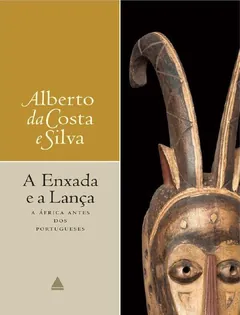 A Enxada e a Lança
-
 Sociedades Secretas: Illuminati
-
 Os Portugueses
-
 Memória Acerca dos Portugueses na Abissínia
-
 Os deputados brasileiros nas Côrtes Geraes de 1821
-
 A Escravidão na Roma Antiga
Depois do livro
Páginas que vieram com esta edição, guardadas aqui para consulta.