
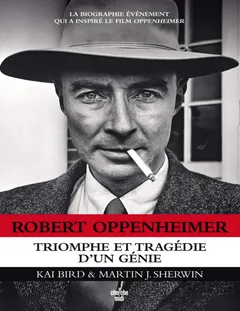
Robert Oppenheimer - Triomphe et tragédie d'un génie
Notes
Ce chapitre est long, il est donc découpé en 4 parties.
10. Hempelmann, entretien avec Sherwin, 10/08/79, pp. 8, 24.
11. Brode, Tales of Los Alamos, pp. 72, 23 ; Hempelmann, entretien avec Sherwin, 10/08/79, p. 30 ; Dorothy McKibbin, entretien avec Jon Else, 10/12/79, p. 22.
12. Hempelmann, entretien avec Sherwin, 10/08/79, p. 10 ; Brode, Tales of Los Alamos, pp. 56, 88-93 ; McKibbin, entretien avec Jon Else, 10/12/79, p. 20 ; Wirth et Aldrich, Los Alamos, p. 261.
13. Hempelmann, entretien avec Sherwin, 10/08/79, p. 22.
14. Marks, entretien avec Bird, 05/03/2002.
15. Peer de Silva, manuscrit non publié, p. 1, avec l’aimable autorisation de Gregg Herken.
16. Brode, Tales of Los Alamos, pp. 28, 33, 51-52.
17. Wilson, « A Recruit for Los Alamos », Bulletin of the Atomic Scientists, March 1975, p. 47.
18. Audition de JRO, p. 266 ; Goodchild, J. Robert Oppenheimer, p. 88.
19. Davis, Lawrence and Oppenheimer, p. 156.
20. Goodchild, J. Robert Oppenheimer, p. 90.
21. En juin 1944, un cinquième de toutes les femmes mariées de Los Alamos étaient enceintes. Thorpe, « J. Robert Oppenheimer and the Transformation of the Scientific Vocation », mémoire de thèse, p. 276 ; Wilson et Serber, eds, Standing By and Making Do, p. 92 ; Robert Serber, Peace and War, p. 83.
22. Brode, Tales of Los Alamos, p. 22.
23. Sherr, entretien avec Sherwin, 20/02/79.
24. Frank et Jackie Oppenheimer, entretien avec Sherwin, 03/12/78 ; Goodchild, J. Robert Oppenheimer, p. 128.
25. Pat Sherr, entretien avec Sherwin, 20/02/79. Le mari de Pat, Rubby Sherr, confirme que sa femme s’est occupée de Toni Oppenheimer (Rubby Sherr, e-mail à Bird, 11/07/04).
26. Jackie Oppenheimer, entretien avec Sherwin, 03/12/78 ; Goodchild, J. Robert Oppenheimer, p. 128.
27. Pat Sherr, entretien avec Sherwin, 20/02/79, p. 4.
28. Hempelmann, entretien avec Sherwin, 10/08/79, pp. 11, 20.
CHAPITRE 19
« Bohr était Dieu et Oppie son prophète »
1. Rhodes, The Making of the Atomic Bomb, pp. 523-524 ; Sherwin, A World Destroyed, p. 106.
2. JRO, « Niels Bohr and Atomic Weapons », New York Review of Books, 17/12/64 ; Powers, Heisenberg’s War, pp. 237-238.
3. Powers, Heisenberg’s War, pp. 239-240.
4. Sherwin, A World Destroyed, pp. 90-114.
5. Powers, Heisenberg’s War, p. 247.
6. Norris, Racing for the Bomb, p. 252.
7. Audition de JRO, p. 166.
8. JRO, « Niels Bohr and Atomic Weapons », New York Review of Books, 17/12/64.
9. Sherwin, A World Destroyed, p. 91.
10. Robert Jungk, Brighter Than a Thousand Suns, p. 103 ; Powers, Heisenberg’s War, p. 253.
11. Voir la publication en février 2002 des lettres de Bohr par l’Institut Niels Bohr, doc. 10 ; le
site web des archives Niels Bohr : www.nba.nbi.dk ; la pièce de théâtre Copenhagen de Michael Frayn ; et Powers, « What Bohr Remembered », New York Review of Books, 28/03/2002.
12. JRO, « Niels Bohr and Atomic Weapons », New York Review of Books, 17/12/64. Voir également Powers, Heisenberg’s War, pp. 120-128 ; Cassidy, Uncertainty ; Jungk, Brighter Than a Thousand Suns, pp. 102-104.
13. Robert Serber, Peace and War, p. 86. Le croquis était probablement celui de Bohr et représentait ce que Heisenberg lui avait montré. Il a depuis disparu.
14. Powers, Heisenberg’s War, p. 253.
15. Powers, Heisenberg’s War, p. 254 ; JRO à Groves, 01/01/44, MED RG 77E 5, boîte 64, 337.
16. JRO, « Niels Bohr and Atomic Weapons », New York Review of Books, 17/12/64.
17. JRO à Groves, 17/01/44, dossier Groves, boîte 36, JRO Papers ; JRO, « Three Lectures on Niels Bohr and His Times : Part III, The Atomic Nucleus », Pegram Lecture, août 1963, boîte 247, JRO Papers ; JRO, « Niels Bohr and Atomic Weapons », New York Review of Books, 17/12/64.
18. Victor Weisskopf, entretien avec Sherwin, 21/04/82.
19. Bohr, « Confidential Comments on the Project of Exploiting the Latest Discoveries in Atomic Physics for Industry and Warfare », 02/04/44, boîte 34, dossier Frankfurter-Bohr, JRO Papers.
20. Sherwin, A World Destroyed, pp. 93-96 ; Goodchild, J. Robert Oppenheimer, p. 92. Voir également Margaret Gowing, Britain and Atomic Energy, 1939-1945.
21. Victor Weisskopf, entretien avec Sherwin, 21/04/82.
22. Powers, Heisenberg’s War, p. 255.
23. Palevsky, Atomic Fragments, p. 117. Des années plus tard, Oppenheimer confia à des amis avoir voulu écrire une pièce de théâtre imaginant ce qui se serait passé si Roosevelt avait survécu à la fin de la guerre.
24. Gribbin, Q Is for Quantum, pp. 85, 88.
25. Bernstein, Cranks, Quarks, and the Cosmos, p. 44.
26. Piotr Kapitsa à Bohr, 28/10/43, boîte 34, dossier Frankfurter-Bohr, JRO Papers.
27. David Lilienthal, The Journals of David E. Lilienthal, vol. 2, p. 456 (entrée du journal du 03/02/49).
28. Sherwin, A World Destroyed, p. 106.
29. Palevsky, Atomic Fragments, p. 134 ; Robert Wilson, entretien avec Owen Gingrich, 23/04/82, p. 5 (collection Sherwin) ; Wilson, « Niels Bohr and the Young Scientists », Bulletin of the Atomic Scientists, août 1985, p. 25.
30. Audition de JRO, p. 173.
31. Sherwin, A World Destroyed, p. 107-110. Bohr rencontra Churchill à la mi-mai 1944 et Roosevelt le 26/08/44. La rencontre avec Churchill fut brève et décevante : « Nous ne parlions même pas la même langue », en dira Bohr. En revanche, il allait ressortir de son entrevue avec Roosevelt avec l’impression que le président américain était très favorable à ses vues.
32. Groves à JRO, 07/12/64, dossier Groves, boîte 36, JRO Papers.
33. Bohr, « Confidential Comments on the Project of Exploiting the Latest Discoveries in Atomic Physics for Industry and Warfare », 02/04/44, boîte 34, dossier Frankfurter-Bohr, JRO
Papers.
34. Powers, Heisenberg’s War, p. 257.
CHAPITRE 20
« L’impact du gadget sur la civilisation »
1. Thorpe et Shapin, « Who Was J. Robert Oppenheimer ? », Social Studies of Science, août 2000, p. 573.
2. Bethe, « Oppenheimer : Where He Was There Was Always Life and Excitement », Science, 03/03/67, p. 1082.
3. McAllister Hull, entretien avec Charles Thorpe, 16/01/98, in Thorpe, « J. Robert Oppenheimer and the Transformation of the Scientific Vocation », mémoire de thèse, p. 250.
4. Jones, Manhattan : The Army and the Atomic Bomb, pp. 176, 182 ; Richard G. Hewlett et Oscar E. Anderson Jr, The New World, 1939-1946, p. 168.
5. Jones, Manhattan : The Army and the Atomic Bomb, p. 509.
6. Hoddeson et al., Critical Assembly, p. 242.
7. Ibid., pp. 241-243.
8. Davis, Lawrence and Oppenheimer, p. 219.
9. Goodchild, J. Robert Oppenheimer, p. 116.
10. Thorpe, « J. Robert Oppenheimer and the Transformation of the Scientific Vocation », mémoire de thèse, p. 326 ; Goodchild, J. Robert Oppenheimer, p. 118.
11. Thorpe, « J. Robert Oppenheimer and the Transformation of the Scientific Vocation », mémoire de thèse, pp. 263-264.
12. Rigden, Rabi, pp. 154-155.
13. Studs Terkel, The Good War, p. 510.
14. George B. Kistiakowsky, « Reminiscences of Wartime Los Alamos », Badash et al., eds, Reminiscences of Los Alamos, p. 54 ; Jones, Manhattan : The Army and the Atomic Bomb, p. 510.
15. Smith et Weiner, Letters, p. 264.
16. Sherwin, A World Destroyed, p. 34.
17. Sir Rudolf Peierls, entretiens avec Sherwin, 06/06/79, p. 12, et 05/03/79.
18. Peierls, entretien avec Sherwin, 06/06/79, pp. 6, 10.
19. Teller, Memoirs, pp. 85, 176-177.
20. Serber, The Los Alamos Primer, p. xxxi.
21. Teller, Memoirs, p. 222.
22. JRO à Groves, 05/01/44, MED, groupe d’archives 77, boîte 201, dossier Rudolf Peierls ; Herken, Brotherhood of the Bomb, p. 86 ; Goodchild, J. Robert Oppenheimer, p. 105. Dans ses mémoires, Teller a une version légèrement différente de la raison pour laquelle il a quitté cette réunion, affirmant qu’Oppenheimer lui avait grossièrement ordonné de parler d’un problème lié à la super dont Teller estimait ne pas être prêt à parler (voir Teller, Memoirs, p. 193). Voir également Thorpe, « J. Robert Oppenheimer and the Transformation of the Scientific Vocation », mémoire de thèse, p. 255.
23. Serber, The Los Alamos Primer, p. xxx. Peierls, entretien avec Sherwin, 06/06/79, p. 14.
24. Peierls, entretien avec Sherwin, 05/03/79, p. 1.
25. JRO à Rabi, 19/12/44, boîte 59, Rabi, JRO Papers ; Rigden, Rabi, p. 168.
26. Smith et Weiner, Letters, pp. 273-274.
27. Palevsky, Atomic Fragments, p. 173 ; Dyson, From Eros to Gaia, p. 256.
28. Rotblat, entretien avec Sherwin, 16/10/89. Rotblat a raconté la conversation de table à une seule personne, un collègue physicien, Martin Deutsch.
29. Rotblat, entretien avec Sherwin, 16/10/89, p. 16 ; Albright et Kunstel, Bombshell, p. 101.
30. En 1995, Joseph Rotblat recevra le prix Nobel de la paix pour son travail sur le désarmement nucléaire.
31. Ted Morgan, Reds, p. 278.
32. Robert Chadwell Williams, Klaus Fuchs, p. 32.
33. Ibid., p. 76.
34. Albright et Kunstel, Bombshell, pp. 62, 119.
35. Ibid., p. 90.
36. Ted Hall, entretien avec Sherwin ; Joan Hall, « A Memoir of Ted Hall ».
37. Albright et Kunstel, Bombshell, pp. 86-87. Rotblat changera d’avis sur Oppenheimer. « Petit à petit, des choses sont venues à ma connaissance. J’ai senti que ce n’était pas la façon dont un de mes héros devait se comporter. Petit à petit, il est devenu un antihéros. Par exemple, qu’il ait accepté que la bombe soit utilisée sur les villes. Il aurait pu s’y opposer. Et à l’époque, il était suffisamment puissant pour s’imposer », in Palevsky, Atomic Fragments, p. 171.
38. Palevsky, Atomic Fragments, pp. 135-136 ; Wilson a raconté la même histoire à Owen Gingrich (Robert Wilson, entretien avec Gingrich, 23/04/82, p. 6, collection Sherwin).
39. Robert Wilson, entretien avec Gingrich, 23/04/82, p. 6 ; voir également Robert Wilson, « Niels Bohr and the Young Scientists », Bulletin of the Atomic Scientists, août 1985, p. 25, et Robert Wilson, « The Conscience of a Physicist », in Richard Lewis et Jane Wilson, eds, Alamogordo Plus Twenty-five Years, pp. 67-76.
40. Robert Wilson, entretien avec Gingrich, 23/04/82, p. 6. Wilson a déclaré à Jon Else qu’il pensait que trente à cinquante personnes avaient assisté à la réunion (The Day After Trinity, Jon Else, transcription, p. 37).
41. Louis Rosen, entretien avec Sherwin, 09/01/85, p. 1.
42. Badash et al., eds, Reminiscences of Los Alamos, p. 70.
43. Weisskopf, entretien avec Sherwin, 21/04/82, p. 5.
44. Robert Wilson décrit également cette rencontre en des termes similaires dans une critique de 1958 du livre de Robert Jungk, Brighter Than a Thousand Suns. Mais à cette occasion, la première où il raconte cette histoire, Wilson écrit que la rencontre a eu lieu en 1944, et non en 1945. (Robert Wilson, « Robert Jungk’s Lively but Debatable History of the Scientists Who Made the Atomic Bomb », Scientific American, décembre 1958, p. 146). Voir également Alice Smith, A Peril and a Hope, p. 61. Un autre physicien formé à Harvard, Roy Glauber, se souvient de la réunion organisée par Wilson pour discuter de l’impact du gadget (voir Albright et Kunstel, Bombshell, p. 87).
45. Weisskopf, The Joy of Insight, p. 145-147.
46. Palevsky, Atomic Fragments, pp. 135-136.
47. Robert Wilson, entretien avec Gingrich, 23/04/82, p. 7.
48. The Day After Trinity, Jon Else, transcription, p. 37.
49. Palevsky, Atomic Fragments, pp. 136-137.
50. Ibid., p. 138.
CHAPITRE 21
« Et voilà, on est tous des fils de pute »
1. Smith et Weiner, Letters, p. 287.
2. Ibid., p. 288.
3. Pour une exploration de l’influence de la Bhagavad-Gita sur les intellectuels occidentaux, voir Jeffery Paine, Father India.
4. Palevsky, Atomic Fragments, p. 116.
5. Mark Selden, « The Logic of Mass Destruction », in Kai et Lawrence Lifschultz, eds, Hiroshima’s Shadow, pp. 55-57.
6. Len Giovannitti et Fred Freed, The Decision to Drop the Bomb, p. 36. Les auteurs avaient interviewé Oppenheimer. Certains Américains ont cependant critiqué les bombardements. Voir Commonweal, 22/06/45 et 24/08/45.
7. Emilio Segrè, A Mind Always in Motion, p. 200.
8. William Lanouette, Genius in the Shadows, pp. 261-262 ; Leo Szilard à JRO, 16/05/45, dossier Szilard, boîte 70, JRO Papers.
9. Lanouette, Genius in the Shadows, pp. 266-267.
10. Procès-verbal de la réunion du Comité intérimaire, 31/05/45, in Sherwin, A World Destroyed, pp. 299-301 (annexes) ; également pp. 202-210.
11. Ibid.
12. Sherwin, A World Destroyed, pp. 295-304 (annexe L, notes de la réunion du Comité intérimaire, 31/05/45) ; Giovannitti et Freed, The Decision to Drop the Bomb, pp. 102-105.
13. Alice K. Smith, A Peril and a Hope, p. 25 ; Sherwin, A World Destroyed, p. 211. « The Political Implications of Atomic Weapons » (rapport Franck), pp. 323-332 (annexe S).
14. Giovannitti et Freed, The Decision to Drop the Bomb, p. 115.
15. Palevsky, Atomic Fragments, p. 142 ; The Day After Trinity, Jon Else, transcription, p. 20.
16. Sherwin, A World Destroyed, p. 229-230 ; Thorpe, « J. Robert Oppenheimer and the Transformation of the Scientific Vocation », mémoire de thèse, p. 344. Thorpe cite le major J. A. Derry et le Dr N. F. Ramsey, mémo pour le général L. R. Groves, « Summary of Target Committee Meetings on 10 and 11 May 1945 », également cité dans Jones, Manhattan : The Army and the Atomic Bomb, pp. 529-530.
17. Palevsky, Atomic Fragments, pp. 84, 252 ; Norris, Racing for the Bomb, pp. 382-383.
18. Alice Smith, A Peril and a Hope, p. 50 ; Goodchild, J. Robert Oppenheimer, p. 143.
19. Gar Alperovitz, The Decision to Use the Atomic Bomb, p. 189.
20. Audition de JRO, p. 34.
21. Après avoir rencontré le président Truman, Grew note dans son journal le 28/05/45 : « Le plus grand obstacle à une reddition inconditionnelle des Japonais est leur conviction que cela entraînerait la destruction ou la destitution définitive de l’empereur. » Joseph C. Grew, Turbulent Era, vol. 2, 1952, pp. 1428-1434 ; Sherwin, A World Destroyed, p. 225 ; Alperovitz, The Decision to Use the Atomic Bomb, pp. 48, 66, 479, 537, 712, 753.
22. Allen Dulles, préface au pamphlet de Per Jacobsson « The Per Jacobsson Mediation », Balse Centre for Economic and Financial Research, série C, no. 4, circa 1967, dans le dossier Allen Dulles Papers, boîte 22, dossier John J. McCloy 1945, Princeton University.
23. Journal de William D. Leahy, 18/06/45, William D. Leahy Papers, LOC, reproduit dans Bird et Lifschultz, eds, Hiroshima’s Shadow, p. 515.
24. Walter Mills, ed., The Forrestal Diaries, p. 70 ; « Extracts from Minutes of Meeting Held at the White House 18 June 1945 », in Sherwin, A World Destroyed, pp. 355-363 (annexe W).
25. Journal de James V. Forrestal, 08/03/47, dossiers du secrétaire du président, HSTL, reproduit dans Bird et Lifschultz, eds, Hiroshima’s Shadow, p. 537.
26. Journal de John J. McCloy, 16-17/07/45, DY boîte 1, dossier 18, John J. McCloy Papers, Amherst College.
27. « Ike on Ike », Newsweek, 11/11/63, p. 107. Certains historiens mettent en doute le récit d’Eisenhower. Voir Robert S. Norris, Racing for the Bomb, pp. 531-532 ; Barton J. Bernstein, « Understanding the Atomic Bomb and the Japanese Surrender : Missed Opportunities, Little-Known Near Disasters, and Modern Memory », o Diplomatic History 19, n 2 (1995).
28. Harry S. Truman, Off the Record, ed. Robert H. Ferrell, p. 53 ; Sherwin, A World Destroyed, p. 235.
29. James F. Byrnes, entretien avec Fred Freed pour la chaîne de télévision NBC, vers 1964, transcription trouvée dans les Herbert Feis Papers, boîte 79, LOC. À Potsdam, le 29 juillet 1945, l’ambassadeur Joseph E. Davies note dans son journal que « Byrnes était dégoûté par l’entêtement de Molotov et avait dit que “la situation au Nouveau-Mexique” (la bombe atomique) nous a donné une grande puissance et, en dernière analyse, le contrôle » (journal de Joseph E. Davies, 29/07/45, dossier Chron, boîte 19, Davies Papers, LOC).
30. Truman, Off the Record, ed. Ferrell, pp. 53-54.
31. Journal de Walter Brown, 03/08/45, Special Collections, Robert Muldrow Cooper Library, CU, reproduit dans Bird et Lifschultz, eds, Hiroshima’s Shadow, p. 546.
32. Pour de plus amples informations sur le débat concernant la bombe à Washington durant l’été 1945, voir les documents reproduits dans Bird et Lifschultz (éd.), Hiroshima’s Shadow, p. 501-550. Pour une perspective différente sur la reddition des Japonais, voir Richard Frank, Downfall : The End of the Imperial Japanese Empire (Random House, 1999) ; Herbert Bix, Hirohito and the Making of Modern Japan (Harper Collins, 2000) ; et Barton J. Bernstein, « The Alarming Japanese Buildup on Southern Kyushu », Pacific Historical Review, novembre 1999.
33. Bird and Lifschultz, eds, Hiroshima’s Shadow, pp. 553-554, 558.
34. Teller à Szilard, 02/07/45, dossier Teller, boîte 71, JRO Papers ; Teller, Memoirs, pp. 205-207.
35. Alice Smith, A Peril and a Hope, pp. 53, 63.
36. Szilard à JRO, 16/05/45 et 10/07/45 ; Edward Creutz à Szilard, 13/07/45, dossier Szilard, boîte 70, JRO Papers.
37. Szilard Papers 21/235 ; NND-730039, NA 201 E Creutz ; journal de Groves, 17/07/45, NA, avec l’aimable autorisation de William Lanouette. Szilard et Lapp ont tous deux confirmé dans des entretiens qu’Oppenheimer avait décidé que la pétition « ne pouvait pas être diffusée » (Alice Smith, A Peril and a Hope, p. 55).
38. Norris, Racing for the Bomb, p. 395.
39. Jones, Manhattan : The Army and the Atomic Bomb, p. 511.
40. Peer de Silva, manuscrit non publié, p. 12 ; Rhodes, The Making of the Atomic Bomb, p. 652.
41. JRO à Groves, 20/10/62, boîte 36, JRO Papers ; Hijiya, « The Gita of J. Robert Oppenheimer », o Proceedings of the American Philosophical Society , vol. 144, n 2, juin 2000, pp. 161-164 ; Szasz, The Day the Sun Rose Twice, p. 41 ; Norris, Racing for the Bomb, p. 397.
42. Audition de JRO, p. 31.
43. Norris, Racing for the Bomb, pp. 399-400 ; Morrison, « Blackett’s Analysis of the Issues », Bulletin of the Atomic Scientists, février 1949, p. 40.
44. The Day After Trinity, Jon Else, transcription, p. 7.
45. En juin 1944, alors que Frank est en poste à l’usine de séparation de l’uranium d’Oak Ridge, dans le Tennessee, Jackie lui écrit peu après le débarquement des Alliés en France :
« Voilà, voilà, le jour J est arrivé. C’est merveilleux. […] Mais comme tu l’avais prédit, et comme je l’ai plus ou moins [illisible], la bataille contre la Russie (propagande) a déjà commencé. […] c’est insidieux. » Pour Jackie, c’était « du fascisme américain pur et dur ». (Jackie Oppenheimer à Frank Oppenheimer, sans date, vers juin 1944, dossier 4-13, boîte 4, Frank Oppenheimer Papers, UCB).
46. Frank Oppenheimer, entretien avec Weiner, 09/02/73, p. 56.
47. Goodchild, J. Robert Oppenheimer, p. 151.
48. George Kistiakowsky, « Trinity : A Reminiscence », Bulletin of the Atomic Scientists, juin 1980, p. 21.
49. Vannevar Bush, Pieces of the Action, p. 148.
50. Lansing Lamont, Day of Trinity, p. 184.
51. Ibid., p. 193.
52. The Day After Trinity, Jon Else, transcription, p. 12.
53. Frank Oppenheimer, entretien avec Weiner, 09/02/73, p. 57.
54. Lamont, Day of Trinity, p. 210 ; The Day After Trinity, Jon Else, transcription, p. 12.
55. Szasz, The Day the Sun Rose Twice, p. 73.
56. Norris, Racing for the Bomb, pp. 403-404 ; Lamont, Day of Trinity, p. 210.
57. Lamont, Day of Trinity, pp. 212, 220.
58. Feynman, « Surely You’re Joking, Mr Feynman ! », p. 134.
59. Hershberg, James B. Conant, p. 232.
60. Serber, Peace and War, pp. 91-93.
61. Badash et al., Reminiscences of Los Alamos, pp. 76-77.
62. The Day After Trinity, Jon Else, transcription, p. 47.
63. Frank Oppenheimer, entretien avec Weiner, 09/02/73, AIP, p. 56 ; The Day After Trinity, Jon Else, transcription, p. 14.
64. Lamont, Day of Trinity, p. 226.
65. General Thomas Farrell, « Memorandum for the Secretary of War », 18/07/45, reproduit in Groves, Now It Can Be Told, pp. 436-437 ; NYT, 07/08/45, p. 5 ; Hijiya, « The Gita of J. Robert Oppenheimer », o Proceedings of the American Philosophical Society, vol. 144, n 2
(juin 2000), p. 165.
66. The Day After Trinity, Jon Else, transcription, pp. 15-16.
67. Davis, Lawrence and Oppenheimer, p. 242 ; The Day After Trinity, Jon Else, transcription, p. 50 ; Frank Oppenheimer, entretien avec Jon Else, 1980 ; Szasz, The Day the Sun Rose Twice, p. 89.
68. William L. Laurence, NYT, 27/09/45, p. 7.
69. The Day After Trinity, Jon Else, transcription, pp. 79-80. Selon certains spécialistes du sanskrit, une meilleure traduction serait : « Je suis devenu le Temps, destructeur des mondes. »
70. Pais, The Genius of Science, p. 273.
71. Laurence, le journaliste du New York Times, déclarera ensuite n’avoir jamais oublié « l’impact bouleversant » des paroles d’Oppenheimer. Mais curieusement, il n’a pas cité la Gita dans ses articles du Times de 1945 – ni dans son livre de 1947, Dawn over Zero : The Story of the Atomic Bomb. Un article du magazine Time de 1948 rapporte la citation, ce que Laurence a lui-même fait dans son livre de 1959, Men and Atoms. Mais Laurence l’a peut-être reprise de celui de Robert Jungk, Brighter Than a Thousand Suns, publié en 1958. Voir également Hijiya, « The Gita of J. Robert Oppenheimer », Proceedings of the American Philosophical Society, o vol. 144, n 2 (juin 2000), pp. 123-124.
72. Alice Smith, A Peril and a Hope, p. 76 ; NYT, 26/09/45, pp. 1, 16.
73. Lamont, Day of Trinity, p. 237 ; Kistiakowsky, « Trinity : A Reminiscence », Bulletin of the Atomic Scientists, juin 1980, p. 21.
74. Des années plus tard, Oppenheimer se souviendra des mots de Bainbridge et exprimera son accord auprès de David Lilienthal : « Je crois qu’on n’aurait pas pu mieux dire » (Lilienthal, The Journals of David E. Lilienthal, vol. 6, p. 89, entrée du 13 février 1965).
75. Lamont, Day of Trinity, pp. 242-243 ; Anne Wilson, sa secrétaire, a déclaré n’avoir aucun souvenir de ce genre (Anne Wilson Marks, entretien téléphonique avec Bird, 22/05/2002). Si Richard Feynman sortira ses bongos pour les tambouriner avec allégresse, il dira plus tard à propos de ce moment : « Vous arrêtez de penser, vous savez ; vous arrêtez tout simplement. » Robert Wilson, loin de partager cette exaltation, avait alors dit à Feynman : « C’est atroce ce que nous venons de faire. » Feynman, « Surely You’re Joking, Mr Feynman ! », pp. 135-136.
CHAPITRE 22
« Ces pauvres petits bonhommes »
1. Anne Wilson Marks, entretien avec Bird, 05/03/02.
2. Lieutenant-colonel John F. Moynahan, Atomic Diary, p. 15. Les bombardiers suivront les instructions d’Oppenheimer et largueront la bombe à vue sur le centre d’Hiroshima. Mais Nagasaki fut bombardée « en grande partie par radar », à cause de la couverture nuageuse et parce que le bombardier manquait de carburant. (Voir Norman Ramsey à JRO, daté « après le 20 août 1945 », boîte 60, JRO Papers.)
3. Alice Smith, A Peril and a Hope, p. 53 ; voir également Hershberg, James B. Conant, p. 230.
4. Manley, « A New Laboratory Is Born », Badash et al., eds, Reminiscences of Los Alamos, p. 37.
5. Groves et JRO, transcription d’une conversation téléphonique, le 06/08/45, RG 77, entrée 5, dossiers MED, 201 Groves, boîte 86, correspondance générale 1942-1945, dossier des échanges téléphoniques.
6. The Day After Trinity, Jon Else, transcription, p. 58.
7. Ed Doty à ses parents, 07/08/45, Musée historique de Los Alamos.
8. Sam Cohen, The Truth About the Neutron Bomb, p. 22 ; Hijiya, « The Gita of J. Robert Oppenheimer », o Proceedings of the American Philosophical Society , vol. 144, n 2 (juin 2000), p. 155. Hijiya cite Cohen pour dire qu’Oppenheimer aurait levé ses bras comme un boxeur, mais ce détail ne figure pas dans le livre de Cohen. On le trouve cependant dans Lawren, The General and the Bomb, p. 250.
9. Entretien radio de Phil Morrison, série ALAS pour la station KOB (Albuquerque), n o 3, Federation of American Scientists Records, XXII, p. 2 ; « The Atom Bomb Scientists Report Number Three : Death of Hiroshima », p. 1, Special Collections, UC.
10. Ed Doty à ses parents, 07/08/45, Musée historique de Los Alamos ; Smith, A Peril and a Hope, p. 77. Smith se contente d’écrire qu’Oppenheimer a vu un « jeune chef de groupe malade dans les buissons ». Selon Thomas Powers, il s’agissait de Robert Wilson (Powers, Heisenberg’s War, p. 462). Voir aussi The Day After Trinity, Jon Else.
11. Robert Wilson, « Robert Jungk’s Lively but Debatable History », Scientific American, décembre 1958, p. 146 ; Palevsky, Atomic Fragments, pp. 140-141.
12. The Day After Trinity, Jon Else, transcription, pp. 59-60 ; Palevsky, Atomic Fragments, p. 141.
13. Smith, A Peril and a Hope (édition de 1971), p. 77 ; Robert Serber, Peace and War, p. 142.
14. Herken, Brotherhood of the Bomb, p. 139 ; mémo du FBI, 18/04/52, sect. 12, dossier JRO du FBI.
15. Hershberg, James B. Conant, pp. 279-304 ; Alperovitz, The Decision to Use the Atomic Bomb, pp. 417-420 ; voir également Barton J. Bernstein, « Seizing the Contested Terrain of Early Nuclear History » ; Uday Mohan et Sanho Tree, « The Construction of Conventional Wisdom » ; et les essais de Norman Cousins, Reinhold Niebuhr, Felix Morley, David Lawrence, Lewis Mumford, Mary McCarthy et d’autres critiques précoces des bombardements, reproduits dans Bird et Lifschultz, Hiroshima’s Shadow, pp. 141-197, 237-316.
16. Childs, An American Genius, p. 366 ; Herken, Brotherhood of the Bomb, p. 140.
17. Smith et Weiner, Letters, pp. 293-294 (JRO à Stimson, 17/08/45).
18. Ibid., pp. 300-301 ; JRO à Ernest Lawrence, 30/08/45.
19. Ibid., pp. 297-298 ; JRO à Herbert Smith, 26/08/45 ; JRO à Frederick Bernheim, 27/08/45.
20. Chevalier, Oppenheimer, p. xi.
21. The Day After Trinity, Jon Else, transcription, p. 65 ; JRO à Haakon Chevalier, 27/08/45, The Day After Trinity, dossiers complémentaires ; Herken, Brotherhood of the Bomb, p. 142.
22. JRO à Conant, 29/09/45, JRO Papers.
23. Smith et Weiner, Letters, p. 300.
24. Jean Bacher, entretien avec Sherwin, 11/05/87, pp. 3-4. Citation de Didisheim contenue dans une lettre de Herbert Smith à Frank Oppenheimer, 19/09/73, dossier 4-23, boîte 4, Frank
Oppenheimer Papers, UCB.
25. Bacher, entretien avec Sherwin, 11/05/87, p. 2.
26. Une transcription de l’émission radiophonique de Phil Morrison peut être trouvée dans la série ALAS pour la station KOB (Albuquerque), n o 3, Federation of American Scientists (FAS) XXII, p. 2 ; « The Atom Bomb Scientists Report Number Three : Death of Hiroshima », p. 5, Special Collections, UC.
27. Serber, Peace and War, p. 129.
28. Smith, A Peril and a Hope, p. 115 ; une transcription de l’émission radiophonique de Morrison se trouve dans la série ALAS pour la station KOB (Albuquerque), no 3, FAS XXII, p. 2.
29. Weisskopf, note sur la physique dans les années d’après-guerre, décembre 1962, boîte 21, « JRO et Niels Bohr », JRO Papers.
CHAPITRE 23
« J’ai l’impression d’avoir du sang sur les mains »
1. Paul Boyer, By Bomb’s Early Light, pp. 266-267 ; Pais, The Genius of Science, p. 274.
2. « Atomic Weapons », Proceedings of the American Philosophical Society, janvier 1946. Discours prononcé le 16/11/45 à Philadelphie, intitulé « Atomic Weapons and the Crisis in Science », classé dans le dossier 168.1, Lee DuBridge Papers, avec l’aimable autorisation de James Hershberg.
3. Cherniss, entretien avec Sherwin, 23/05/79, p. 11.
4. Smith et Weiner, Letters, p. 304 ; JRO à Harrison, 09/09/45.
5. Smith, A Peril and a Hope, pp. 116-117.
6. Ibid., p. 120.
7. Herken, Brotherhood of the Bomb, p. 150.
8. Barnett, « J. Robert Oppenheimer », Life, 10/10/49.
9. Teller et Brown, The Legacy of Hiroshima, p. 23.
10. Journal de Henry Wallace, 19/10/45, reproduit dans John Morton Blum, The Price of Vision, p. 497.
11. Truman, Memoirs, vol. 1, p. 532.
12. Lanouette, Genius in the Shadows, p. 286.
13. Smith, A Peril and a Hope, p. 167 ; Hewlett et Anderson, The New World, vol. 1, p. 432.
14. Smith, A Peril and a Hope, p. 153 ; Thorpe, « J. Robert Oppenheimer and the Transformation of the Scientific Vocation », mémoire de thèse, pp. 401-402.
15. Lanouette, Genius in the Shadows, p. 293.
16. Smith, A Peril and a Hope, p. 154.
17. The Day After Trinity, Jon Else, transcription, p. 68 ; Goodchild, J. Robert Oppenheimer, p. 178.
18. Thorpe, « J. Robert Oppenheimer and the Transformation of the Scientific Vocation », mémoire de thèse, pp. 395-396 ; Wilson, « Hiroshima : The Scientists’ Social and Political Reaction », Proceedings of the American Philosophical Society, septembre 1996, p. 351.
19. Thorpe, « J. Robert Oppenheimer and the Transformation of the Scientific Vocation », mémoire de thèse, p. 409.
20. Smith, A Peril and a Hope, pp. 197-200.
21. Steeper, Gatekeeper to Los Alamos, p. 111.
22. Smith et Weiner, Letters, pp. 310-311.
23. Eleanor Jette, Inside Box 1663, p. 123.
24. Smith et Weiner, Letters, p. 306.
25. Herken, Brotherhood of the Bomb, p. 149.
26. Journal de Henry Wallace, 19/10/45, reproduit dans Blum, éd. The Price of Vision, pp. 493-497. Pour en savoir plus sur la diplomatie atomique de Byrnes, voir Alperovitz, The Decision to Use the Atomic Bomb, p. 429.
27. Murray Kempton, « The Ambivalence of J. Robert Oppenheimer », Esquire, décembre 1983, reproduit dans Kempton, Rebellions, Perversities, and Main Events, p. 121. Kempton situe par erreur cette conversation en 1946. Une autre version de cette histoire apparaît dans Davis, Lawrence and Oppenheimer, p. 260. Davis ne fournit aucune date ni citation – mais selon le calendrier des rendez-vous du président Truman, le président n’a rencontré Oppenheimer qu’à quatre occasions : 25/10/45, 29/04/48, 06/04/49 et 27/06/52.
28. Davis, Lawrence and Oppenheimer, p. 261.
29. Truman à Dean Acheson, mémo, 07/05/46, boîte 201 PSF, HSTL. Voir également Merle Miller, Plain Speaking, p. 228 ; et Boyer, By Bomb’s Early Light, p. 193. Boyer place Dean Acheson dans la pièce, mais l’agenda présidentiel de Truman ne note la présence que de Robert Patterson, Oppenheimer et Truman (Matthew J. Connelly files, Presidential Appointment Calendar, 25/10/45, HSTL). Herken, Brotherhood of the Bomb, p. 150. Herken cite Davis, Lawrence and Oppenheimer, p. 258 ; Michelmore, The Swift Years, pp. 121-122 ; et Lilienthal, The Journals of David E. Lilienthal, vol. 2, p. 118.
30. Rabi, entretien avec Sherwin, 12/03/82, p. 9.
31. Journal de John J. McCloy, 20/07/45, DY boîte 1, dossier 18, McCloy Papers, Amherst College.
32. Smith et Weiner, Letters, pp. 315-325.
33. Ibid., p. 315.
34. Ibid., pp. 315-325.
35. Truman, Memoirs, vol. 1, p. 537.
CHAPITRE 24
« Des gens pourraient faire sauter tout New York »
1. Dossier JRO du FBI, sect. 1, doc. 20, Hoover à Byrnes, mémo, 15/11/45, et Hoover au Brig. Gen. Harry H. Vaughan, aide militaire au président, mémo, 15/11/45.
2. Joseph Weinberg, entretien avec Sherwin, 23/08/79, p. 17.
3. Rabi, entretien avec Sherwin, 12/03/82, pp. 2-5 ; Rigden, Rabi, pp. 196-197.
4. Hewlett et Anderson, The New World, vol. 1, p. 532.
5. Lilienthal, The Journals of David E. Lilienthal, vol. 2, p. 13 ; Lilienthal à Herb Marks, 14/01/48, lettres de Lilienthal à JRO, boîte 46, JRO Papers.
6. Dean Acheson, Present at the Creation, p. 153.
7. Ibid., voir également l’audition de JRO, pp. 37-40.
8. Joseph I. Lieberman, The Scorpion and the Tarantula, p. 255.
9. JRO, « Atomic Explosives » (Explosifs atomiques), dossier : Nations unies, AEC, boîte 52, Bernard Baruch Papers, PUL.
10. Rabi, entretien avec Sherwin, 03/12/82, p. 6 ; Herken, Brotherhood of the Bomb, p. 164.
11. Lieberman, The Scorpion and the Tarantula, p. 246.
12. « A Report on the International Control of Atomic Energy – Prepared for the Secretary of State’s Committee on Atomic Energy by a Board of Consultants : Chester I. Barnard, Dr J. R. Oppenheimer, Dr Charles A. Thomas, Harry A. Winne, David E. Lilienthal, Chairman », Washington DC, 16/03/46.
13. James F. Byrnes, Speaking Frankly, p. 269. Pour les liens d’affaires entre Byrnes et Baruch, voir Burch, Elites in American History, vol. 3, pp. 60, 62 ; voir également David Robertson, Sly and Able, p. 118, pour une description de l’amitié étroite entre Byrnes et Baruch.
14. Lilienthal, The Journals of David E. Lilienthal, vol. 2, p. 30 ; Bird, The Chairman, p. 279.
15. Herken, Brotherhood of the Bomb, p. 165. À propos de la nomination de Baruch, Oppenheimer dira plus tard : « C’est le jour où j’ai abandonné tout espoir, mais pas celui pour pouvoir le dire publiquement » (Davis, Lawrence and Oppenheimer, p. 260).
16. Herken, The Winning Weapon, p. 366. Herken cite également une lettre de Fred Searls à Byrnes, datée du 17 janvier 1948 (dossier Searls, manuscrits de Byrnes), qui montre que Searls souhaitait que Byrnes contribue à protéger le statut fiscal de Newmont Corporation. Newmont Mining Corporation a été fondée en 1921 par le « colonel » William Boyce Thompson, un ami et associé de Baruch. (Baruch, My Own Story, p. 238.) Voir également Allen, Atomic Imperialism, p. 108. Le fait que Fred Searls ait été à la tête de Newmont Mining Corp. est cité dans Baruch, The Public Years, p. 363. Searls avait également été l’assistant de Byrnes pendant la guerre.
17. Lieberman, The Scorpion and the Tarantula, p. 273.
18. Rabi, entretien avec Sherwin, 12/03/82, p. 6.
19. Hoover à SAC Los Angeles, dossier du FBI sur JRO, sect. 1, doc. 23, 13/03/46.
20. SAC San Francisco, mémo du FBI à Hoover, 14/05/46, concernant la surveillance de la conversation téléphonique d’Oppenheimer avec Kitty le 10/05/46 (dossier du FBI sur JRO, doc. 45, 46). Près d’un an plus tard, la surveillance téléphonique du FBI était toujours active, et Kitty le savait. Le 25 mars 1947, elle a dit à une amie : « Fais attention à ce que tu dis au téléphone. » Quand elle lui demande pourquoi, Kitty répond : « Le FBI, tu sais. » (Dossier du FBI sur JRO, doc. 148, 25/03/47.)
21. Hewlett et Anderson, The New World, vol. 1, pp. 562-566.
22. Bird, The Chairman, p. 281.
23. Ibid., p. 282.
24. JRO à Lilienthal, 24/05/46, Lilienthal Papers, cité dans Lieberman, The Scorpion and the Tarantula, pp. 284-285.
25. Lilienthal, The Journals of David E. Lilienthal, vol. 2, p. 70 (entrée du 24/07/46).
26. Ibid., pp. 69-70 (entrée du 24/07/46).
27. JRO, « The Atom Bomb as a Great Force for Peace », New York Times Magazine, 09/06/46.
28. Weinberg, entretien avec Sherwin, 23/08/79, p. 25.
29. Hewlett et Anderson, The New World, p. 590.
30. FBI, écoute de la conversation téléphonique entre Kitty et Robert Oppenheimer, 15/06/46, dossier du FBI sur JRO, doc. 68.
31. Histoire orale de Dean Acheson, sans date, PPF, HSTL ; Bird, The Chairman, p. 282 ; Goodchild, J. Robert Oppenheimer, p. 181.
32. JRO, « Three Lectures on Niels Bohr and His Times », Pegram Lectures, Brookhaven National Laboratory, août 1963, p. 15, Louis Fischer Papers, boîte 9, dossier 3, PUL.
33. Lilienthal, The Journals of David E. Lilienthal, vol. 2, p. 69 (entrée du 24/07/46).
34. JRO, « The International Control of Atomic Energy », Bulletin of the Atomic Scientists, 01/06/46.
35. Bird et Sherwin, « The First Line Against Terrorism », WP, 12/12/2001 ; voir également John von Neumann à Lewis Strauss, 18/10/47, Strauss Papers, HHL ; Herken, Counsels of War, p. 179. Voir aussi Herken, Brotherhood of the Bomb, chap. 18, note de bas de page 92 (version web uniquement), où Herken rapporte que le projet d’enquête sur les dangers du terrorisme nucléaire avait pour nom de code « Cyclops ». Il cite Matteson à Stassen, 08/09/55, boîte 16, USSD ; entretien avec Herken de Panofsky (1993). Quelques années plus tard, Oppenheimer persuadera la Commission de l’énergie atomique de demander à deux physiciens, Robert Hofstadter et Wolfgang Panofsky, de rédiger un rapport sur le problème. Ce rapport top secret recommande l’installation de détecteurs de radiations dans tous les aéroports et les ports. Pendant un certain temps, cette mesure a été appliquée dans quelques grands
aéroports. Le rapport Hofstadter-Panofsky – connu dans la communauté du renseignement sous le nom de « rapport Tournevis » – est toujours classé secret.
36. Selon les instructions données par le général Groves, Oppenheimer aurait été invité à assister aux tests sans être autorisé à en évaluer les résultats (Herken, The Winning Weapon, p. 224). Voir aussi Radio Bikini, (film documentaire).
37. Truman, mémo à Acheson, 05/07/46, dossier « Atomic Tests », PSF boîte 201, HSTL (avec l’aimable autorisation de l’archiviste Dennis E. Bilger).
CHAPITRE 25
« Oppie a eu son petit chancre et est maintenant vacciné »
1. Audition de JRO, p. 35 ; JRO, entretien avec Kuhn, 18/11/63, p. 32.
2. Dossier du FBI sur JRO, doc. 102, transcription d’écoute téléphonique, 23/10/46.
3. Hershberg, James B. Conant, p. 308 ; conversation téléphonique entre Kitty et Robert Oppenheimer, note du FBI, 14/12/46, doc. 120, dossier du FBI sur JRO ; Hewlett et Duncan, Atomic Shield, vol. 2, pp. 15-16.
4. Audition de JRO, p. 327.
5. Ibid., p. 41. Ce que va dire Acheson à JRO montre clairement que la doctrine Truman était la première mesure prise par le gouvernement américain au tout début de la guerre froide.
6. Hewlett et Duncan, Atomic Shield, vol. 2, p. 268. Voir également James G. Hershberg, « The Jig Was Up : J. Robert Oppenheimer and the International Control of Atomic Energy, 1947-1949 », document présenté à l’Oppenheimer Centennial Conference (conférence tenue à l’occasion du centenaire d’Oppenheimer), Berkeley, 22-24/04/2004.
7. Audition de JRO, p. 40.
8. Keith G. Teeter, note du FBI au dossier, 03/03/54, SF 100-313.
9. Dossier du FBI sur JRO, doc. 159, Ladd au directeur, 11/08/47, p. 13.
10. JRO, The Open Mind, pp. 26-27. Voir également Thorpe, « J. Robert Oppenheimer and the Transformation of the Scientific Vocation », mémoire de thèse, pp. 446-447.
11. Audition de JRO, p. 69.
12. Joseph Alsop à JRO, 29/07/48, dossier Alsop, boîte 15, JRO Papers.
13. Scott Donaldson, Archibald MacLeish : An American Life, p. 400.
14. JRO à MacLeish, 27/09/49 ; MacLeish à JRO, 06/10/49 ; JRO à MacLeish, 14/02/49. Tous ces courriers sont dans le dossier MacLeish, boîte 49, JRO Papers.
15. En février 1947, deux responsables du PC vont rendre visite à Frank à son domicile et essayer, pendant deux heures, de lui faire renouveler les sommes qu’il versait au parti avant-guerre. Ils repartiront les mains vides et, par le biais d’un informateur, le FBI apprendra que
l’un des responsables du PC s’était plaint en ces termes : « Je crois qu’on a perdu dans les dix mille boules. » Dossier du FBI sur JRO, doc. 149, 23/04/47.
16. Frank Oppenheimer, entretien avec Sherwin, 03/12/78.
17. Selon Chevalier, c’est le lendemain de cette rencontre qu’il avait eu la première idée de son roman paru en 1959, The Man Who Would Be God (Chevalier, Oppenheimer, pp. 79-80).
18. Rapport du FBI sur JRO, 17/02/47, p. 10 ; Goodchild, J. Robert Oppenheimer, p. 70.
19. Chevalier, déclaration sous serment pour le FBI, 26/06/46, dossier du FBI sur Chevalier, partie 1, également lue sur un magnétophone par Sherwin lors d’un entretien avec Chevalier, 15/07/82, pp. 10-11.
20. Chevalier, Oppenheimer, p. 68.
21. Ibid., pp. 69-70 ; audition de JRO, p. 209.
22. Dossier du FBI sur JRO, sect. 12, doc. 287, 18/04/52, « Allegation of Espionage Activity on the Part of George Charles Eltenton », p. 20 (déclassifié en 1996).
23. Strauss, Men and Decisions, p. 271.
24. Dossier du FBI sur JRO, sect. 1, 29/01/47 et 02/02/47, résumés des écoutes entre Kitty et Robert Oppenheimer.
25. Strauss, Men and Decisions, p. 271.
26. Michelmore, The Swift Years, p. 142.
27. New York Herald Tribune, 19/04/47.
28. Richard Pfau, No Sacrifice Too Great, p. 93 ; Strauss, Men and Decisions, pp. 7, 84.
29. Dossier du FBI sur JRO sect. 3, doc. 103, écoute par le FBI de conversations téléphoniques entre JRO, David Lilienthal et Robert Bacher, 23-24/10/46.
30. Joseph et Stewart Alsop, We Accuse, p. 19 ; Duncan Norton-Taylor, « The Controversial Mr Strauss », Fortune, Janvier 1955 ; Brown, Through These Men, p. 275.
31. Herken, Brotherhood of the Bomb, p. 174 ; dossier du FBI sur JRO, 05/09/47.
32. Dossier du FBI sur JRO, sect. 6, 05/07/47, contenu dans le résumé des écoutes téléphoniques, 05/07/47.
33. Dossier du FBI sur JRO, sect. 6, coupure de presse, 28/04/47.
34. Rabi à JRO, sans date, dimanche après-midi, vers avril 1947, correspondance de Rabi, boîte 59, JRO Papers.
35. Audition de JRO, p. 27.
36. Barton J. Bernstein, « The Oppenheimer Loyalty-Security Case Reconsidered », Stanford Law Review, juillet 1990, p. 1399.
37. Stern, The Oppenheimer Case, p. 104.
38. Stern, The Oppenheimer Case, pp. 104-105 ; Bernstein, « The Oppenheimer Loyalty-Security Case Reconsidered », Stanford Law Review, juillet 1990, p. 1399 ; Herken, Brotherhood of the Bomb, p. 179.
39. Stern, The Oppenheimer Case, p. 104.
CHAPITRE 26
« Un hôtel de l’intellect »
1. Regis, Who Got Einstein’s Office ?, p. 138 ; Michelmore, The Swift Years, p. 141.
2. Time, 08/11/48, p. 76.
3. Lilienthal, The Journals of David E. Lilienthal, vol. 6, p. 130.
4. Morgan, « A Visit with J. Robert Oppenheimer », Look, 01/04/58, p. 35.
5. Oppenheimer vendra ce tableau en 1965 pour 350 000 dollars ; vingt ans plus tard, lors d’une vente chez Sotheby’s, il rejoindra un collectionneur privé pour 9 millions de dollars.
6. Brown, Through These Men, p. 286.
7. Hempelmann, entretien avec Sherwin, 10/08/79, pp. 16-17.
8. Pais, A Tale of Two Continents, p. 198.
9. Regis, Who Got Einstein’s Office ?, p. 139.
10. Freeman Dyson, entretien avec Sherwin, 16/02/84, p. 8 ; Pais, A Tale of Two Continents, p. 240. En 1953, les documents classifiés seront transférés dans une chambre forte au sous-sol. Mais l’AEC dépensera encore 18 755 dollars par an pour cinq gardes chargés d’en assurer la surveillance 24/24. (F. J. McCarthy Jr à Strauss, mémo, 07/07/53, Strauss Papers, HHL.)
11. Pais, A Tale of Two Continents, p. 241.
12. Jeremy Bernstein, e-mail à Sherwin, avril 2004.
13. Bernstein, The Merely Personal, p. 164 ; Bernstein, The Life It Brings, p. 100 ; Pais, A Tale of Two Continents, p. 255.
14. Lilienthal, The Journals of David E. Lilienthal, vol. 3, p. 173 (entrée du 06/06/51).
15. Freeman Dyson, entretien avec Jon Else, 10/12/79, p. 9.
16. Pais, A Tale of Two Continents, p. 322.
17. Ibid., p. 196.
18. Regis, Who Got Einstein’s Office ?, pp. 26-27 ; Abraham Flexner, Harper’s, octobre 1939 ; Pais, A Tale of Two Continents, pp. 194-196, 223.
19. JRO, « Physics in the Contemporary World », Second Annual Arthur Dehon Little Memorial Lecture, MIT, 25/11/47, p. 7.
20. Pais, A Tale of Two Continents, pp. 224, 230, 221. Pais cite le journal de K. K. Darrow, entrée du 03/06/47, archivé à la NBL.
21. Pais, A Tale of Two Continents, pp. 232, 234.
22. Weisskopf, The Joy of Insight, p. 171.
23. Ibid., p. 167.
24. Regis, Who Got Einstein’s Office ?, p. 140.
25. Ibid., p. 147.
26. Stern, « A History of the Institute for Advanced Study, 1930-1950 », p. 642. Le manuscrit de Stern a été commandé par Oppenheimer en 1964, mais n’a jamais été publié (archives IAS).
27. Pais, A Tale of Two Continents, pp. 248-249.
28. Regis, Who Got Einstein’s Office ?, p. 113.
29. La machine de von Neumann est exposée au Smithsonian Museum.
30. Bien plus tard, en 1958-1959, Oppenheimer utilisera ces fonds du directeur pour faire venir le linguiste Noam Chomsky à l’Institut.
31. JRO, « Report of the Director, 1948-1953 », IAS, 1953 ; Pais, A Tale of Two Continents, pp. 235-238.
32. Dyson, Disturbing the Universe, p. 72 ; Stern, « A History of the Institute for Advanced Study, 1930-1950 », p. 662, manuscrit non publié, archives de l’IAS.
33. Harold Cherniss, entretien avec Sherwin, 23/05/79, p. 20.
34. Regis, Who Got Einstein’s Office ?, p. 280.
35. Ibid., pp. 62-63.
36. Ibid., p. 193.
37. Pais, A Tale of Two Continents, p. 207.
38. Fred Kaplan, The Wizards of Armageddon, p. 63.
39. JRO, « On Albert Einstein », New York Review of Books, 17/03/66.
40. Time, 08/11/48, p. 70.
41. Smith et Weiner, Letters, p. 190.
42. Regis, Who Got Einstein’s Office ?, p. 136.
43. Fölsing, Albert Einstein, p. 734.
44. Smith et Weiner, Letters, p. 190.
45. Fölsing, Albert Einstein, p. 735.
46. JRO, « On Albert Einstein », New York Review of Books, 17/03/66.
47. Lilienthal, The Journals of David E. Lilienthal, vol. 2, p. 298.
48. Georgia Whidden, entretien avec Bird, 25/04/03.
49. Denis Brian, Einstein : A Life, p. 376.
50. JRO à Einstein, non daté (réponse à la lettre d’Einstein du 15/04/47), JRO Papers.
51. Ronald W. Clark, Einstein : The Life and Times, p. 719.
52. JRO, « On Albert Einstein », New York Review of Books, 17/03/66.
53. Stern, « A History of the Institute for Advanced Study, 1930-1950 », pp. 672-673, 688, manuscrit non publié, archives de l’IAS.
54. Wheeler, Geons, Black Holes, and Quantum Foam, p. 25.
55. Time, 08/11/48, p. 81.
56. Barnett, « J. Robert Oppenheimer », Life, 10/10/49.
57. Dyson, Disturbing the Universe, p. 73 ; John Manley, entretien avec Sherwin, 09/01/85, p. 27.
58. Time, 23/02/48, p. 94.
59. Rabi, entretien avec Sherwin, 12/03/82, p. 11.
60. Barnett, « J. Robert Oppenheimer », Life, 10/10/49.
61. P. M. S. Blackett, Fear, War, and the Bomb, pp. 135, 139-140. Il s’agit de l’édition américaine de la version britannique originale.
62. Thorpe, « J. Robert Oppenheimer and the Transformation of the Scientific Vocation », mémoire de thèse, pp. 433-435. Philip Morrison rédigera une critique très favorable du livre de Blackett, publiée dans le numéro de février 1949 du Bulletin of the Atomic Scientists. JRO à Blackett, câble, 06/11/48 ; JRO à Blackett, 14/12/56, JRO Papers.
63. o Physics Today, vol. 1, n 1 (mai 1948).
64. Dyson, Disturbing the Universe, p. 87.
CHAPITRE 27
« Il n’arrivait pas à comprendre pourquoi il avait fait ça »
1. JRO à Frank Oppenheimer, 28/09/48, collection Alice Smith, collection Sherwin.
2. Preuss, « On the Blacklist », Science, juin 1983, p. 33.
3. Time, 08/11/48, p. 70 ; la photo de couverture montre Oppenheimer debout devant un tableau noir rempli de formules mathématiques ; Dyson, Disturbing the Universe, p. 74.
4. Time, 08/11/48, p. 76.
5. Herbert Marks à JRO, 12/11/48 ; JRO à Marks, 18/11/48, boîte 49, JRO Papers.
6. Peat, Infinite Potential, p. 92.
7. JRO à Lomanitz, 30/10/45, collection Sherwin.
8. Lomanitz, entretien avec Sherwin, 07/11/79. Lomanitz écrit à Peter Michelmore qu’Oppenheimer « semblait démesurément inquiet » (Lomanitz à Michelmore, 21/05/68, collection Sherwin).
9. Walter Goodman, The Committee, pp. 239, 273. L’enquêteur en chef du HUAC, Louis Russell, était lui aussi un ancien agent du FBI.
10. Audition de JRO, p. 151.